Understanding Iran's Complex Political Landscape and Global Influence
Explore Iran's unique theocratic-republican system, its geopolitical role, and implications for U.S. policy and global stability.
Additional reporting by Oliver Brown, Liam Walker
Iran, officially the Islamic Republic of Iran, stands as one of the most geopolitically significant nations in Western Asia. With a rich cultural history stretching back millennia and a contemporary political system blending religious authority with republican elements, Iran occupies a pivotal role on the global stage. Its influence extends across energy markets, regional security architectures, and international diplomatic arenas, making it a critical subject for conservative scrutiny and U.S. strategic planning.
This explainer delves deep into Iran's governance framework and strategic ambitions, while unraveling the enduring tensions that define its interactions with the United States and key regional allies. From its controversial nuclear program and proxy warfare to control over crucial energy chokepoints and the impact of sustained sanctions, Iran embodies a complex challenge demanding nuanced, firm policy from Washington.
Iran's Political System: A Theocratic Republic with Dual Authority
"Iran’s theocratic control and strategic energy dominance demand a firm, clear U.S. policy to prevent regional chaos and nuclear escalation."
Iran's government is a distinctive hybrid that merges theocratic oversight with republican features, a combination not seen in conventional Western political systems. The Supreme Leader stands as the apex of power, controlling the military, judiciary, and state media. Since 1989, Ali Khamenei has embodied this role, steering Iran’s ideological compass and national security apparatus with wide-ranging authority. This position transcends electoral politics and remains unchallengeable by popular vote.
Beneath the Supreme Leader, the President administers executive functions including domestic policy and economic management. As of 2023, hardliner Ebrahim Raisi has occupied this office, closely aligned with Khamenei's vision. However, presidential powers are circumscribed by unelected entities such as the Guardian Council and the Assembly of Experts. The Guardian Council, for instance, vets legislation to ensure conformity with Sharia law, effectively constraining reformist or secular agendas and maintaining ideological consistency across governance layers.
This dual authority system complicates diplomatic engagements, as elected government representatives share power with religious elites who prioritize doctrinal adherence over pragmatic compromises. Economic and social reforms repeatedly encounter institutional obstacles rooted in this ideological structure, making negotiations—both internal and external—intrinsically challenging. Within this context, power dynamics oscillate between multiple centers of influence, requiring keen understanding for any effective policy articulation.
Iran’s political system also includes consultative bodies like the Expediency Discernment Council, which adjudicates disputes between parliament and the Guardian Council, underscoring the layered nature of policy-making. These institutions entrench theocratic control and create a deeply bureaucratic system where ultimate authority does not rest with the electorate but with the religious establishment.
Strategic Importance of Iran’s Energy Resources and Geography
Iran’s vast reservoirs of oil and natural gas rank it among the world’s most resource-rich countries. It holds the third-largest proven oil reserves and the second-largest natural gas reserves on the planet, presenting significant leverage in global energy dynamics. Control over these reserves enables Tehran to influence energy prices and supply stability, affecting petro-dollar flows pivotal to the global economy, including American interests.
Critical to Iran's geostrategic posture is its command of the northern shores of the Strait of Hormuz, a narrow maritime chokepoint through which an estimated 20% of the world’s petroleum shipments pass daily. This narrow waterway serves as a lynchpin for global energy security; any disruption there reverberates through oil markets with immediate economic consequences, ranging from price spikes to supply shortages.
Iran has repeatedly demonstrated its willingness to leverage its strategic position within the strait, at times threatening or temporarily closing these vital passages. Such actions elevate regional tensions and global market volatility, as detailed in our analysis of Iran's closure of the Strait of Hormuz heightening the energy crisis. The United States Navy’s enforcement activities, such as the blockade in the Strait of Hormuz, reflect Washington’s recognition of the profound stakes tied to Iran's energy chokehold.
Iran’s geography not only affords it energy leverage but also places it at the crossroads of important land routes connecting Asia, Europe, and the Middle East. Its borders with turbulent neighbors—such as Iraq, Afghanistan, and the Caucasus—present both strategic opportunities for influence and security challenges. This unique positioning underpins Tehran’s ambitions to assert regional dominance and shape neighboring state affairs to its advantage.
Iran's Nuclear Ambitions and Military Posturing
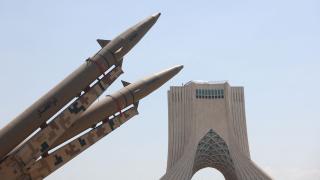
One of the most acute sources of global concern is Iran's contested nuclear program. Tehran insists that its nuclear activities serve peaceful purposes such as energy production and medical research; however, the program’s secrecy, uranium enrichment levels, and history of concealment have fueled fears about potential weaponization. The prospect of a nuclear-capable Iran would dramatically shift the regional power balance, potentially inciting proliferation among rival states.
Attempts at diplomatic containment, such as the Joint Comprehensive Plan of Action (JCPOA), have repeatedly floundered amid mutual mistrust and violations. The erosion of these agreements has led to reimposition of sanctions and increased military brinkmanship, amplifying risk for open conflict. Our coverage of emerging doubts around Iran’s nuclear intentions, including questions over its program, highlights the persistent obstacle Tehran poses to global nonproliferation efforts.
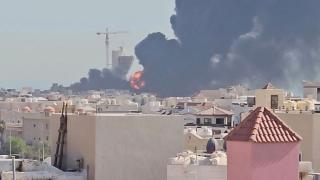
Beyond nuclear concerns, Iran pursues a robust military and proxy network extending across the Middle East. It supports militias and paramilitary forces in Iraq, Lebanon’s Hezbollah, Syria, and Yemen’s Houthi rebels, enabling it to exert influence far beyond its borders. This proxy warfare confers plausible deniability but inflicts instability and violence, directly threatening U.S. forces and allies. Recent Iranian missile strikes targeting U.S. interests in Jordan and the Gulf region, as reported in our coverage, exemplify this multifaceted threat.
Iran’s military pressures generate significant operational costs for the U.S. Armed Forces, straining already stretched resources. Reports detailing Pentagon expenditures on Iran-related operations, including warnings of missile stockpile depletion, underscore the unsustainable nature of prolonged conflict. This operational stress has spurred Congressional mandates for expanded sanctions targeting Iran and Russia, seeking to pressure Tehran economically as an alternative to direct military escalation.
U.S. Policy Challenges and Strategic Responses
Navigating the Iranian threat presents a challenging calculus for U.S. policymakers, who must balance diplomatic avenues, military deterrence, and economic sanctions in a holistic strategy. The Trump administration has taken a notably hardline stance involving direct strikes, robust sanctions, and support for opposition groups, yet has also evidenced moments of restraint and negotiation attempts to avoid open war. Highlights include Trump’s pause of strikes to pursue a deal, reflecting the administration’s oscillation between pressure and diplomacy.
From a budgetary perspective, ongoing Iran-related conflicts impose significant demands. The Pentagon has resorted to using base budgets to sustain operations, as Congressional delays on supplemental funding complicate resource availability. This reveals the strain these conflicts place on broader defense readiness and fiscal responsibility, concerns emphasized by conservative voices wary of open-ended military engagement.
Human costs also complicate policymaking. Incidents such as the death of an Iowa soldier in Kuwait starkly remind the public of the stakes involved. Debates over the strategic clarity, mission objectives, and exit strategies remain contentious within political and military circles, underscoring the necessity of clear congressional oversight and public accountability.
On the economic front, the U.S. Treasury Department has further targeted Iran’s financial infrastructure through a series of sanctions against major banks and oil export channels, aiming to suffocate funding streams vital to Tehran’s destabilizing efforts. This phase includes legal measures to interrupt illicit tanker operations, seen in initiatives like reviving maritime prize courts and destruction of flagged oil tankers, indicating a layered strategy beyond conventional warfare.
Iranian Influence in Regional Conflicts and Global Power Plays
Iran’s regional influence manifests most prominently through its network of proxy forces, which act as strategic leverage points throughout the Middle East. This network undercuts U.S. and allied efforts to stabilize countries such as Syria, Lebanon, Iraq, and Yemen, often provoking humanitarian crises and extending waves of conflict. While serving Tehran’s goal of countering U.S. influence, proxy warfare intensifies regional instability and complicates diplomatic resolutions, posing challenges for American policymakers attempting to calibrate pressure with pragmatic engagement.
The complexities extend into U.S.-Israel relations, as Israeli security concerns about Iran’s nuclear program and proxy aggressions influence American strategies. Disputes, such as those documented in Trump and Netanyahu’s disagreements, reveal challenges in coordinating a cohesive approach to Iran that satisfies both U.S. strategic interests and Israel’s operational imperatives.
Complicating containment strategies further are Iran’s growing partnerships with global powers like China and Russia. These alliances not only provide Tehran with economic lifelines circumventing Western sanctions but also inject Iran into wider great-power competition. The upcoming Trump-Xi Jinping state visit highlights how Iran factors into broader diplomatic negotiations on technology, trade, and security between rival hegemonies, demanding nuanced U.S. responses that integrate Iran policy with larger geopolitical dynamics.
This multifaceted influence situates Iran at the center of a complex geopolitical web where ideological ambitions, energy interests, and great-power rivalries converge. Preventing Iran from destabilizing this equilibrium requires a combination of vigilance, strategic alliances, and robust policies affirming American interests and those of regional partners.
Balancing Security and Diplomatic Engagement Amid Rising Risks
Conservative policymakers emphasize maintaining a posture of strength and readiness against Iran’s provocations. This involves resisting terrorism, obstructing nuclear weapon development, and countering regional aggression. The stakes are clear: failure to contain Iran risks not only American national security but also the stability of vital Middle East allies.
Yet, a degree of diplomatic outreach remains necessary to prevent costly wars without end. Recent announcements of ceasefires and tentative dialogues—including the Trump administration’s declared truce with Iran amid sharp rhetoric—offer opportunities for negotiated solutions, albeit greeted with skepticism given Tehran’s historical duplicity and ongoing military offenses. Any engagement must be predicated on verifiable commitments, transparency, and enforceable mechanisms to safeguard U.S. interests.
Successfully balancing military deterrence, economic sanctions, and diplomatic negotiation also requires managing domestic political environments and sustaining public support for relevant policies. This task calls for strategic clarity and careful resource allocation, ensuring that U.S. efforts do not become entangled in protracted conflicts draining military capacity and national resolve.
Conservative voices continue to urge principled deterrence coupled with rigorous enforcement of sanctions and military readiness. This approach seeks to uphold America’s standing, prevent nuclear escalation, and foster conditions conducive to regional stability and peace.
Our ongoing coverage offers comprehensive insights into evolving developments—including Congressional debates over troop deployments, the effectiveness of embargoes, and shifts in diplomatic engagement—providing the electorate and leadership with critical information to navigate the complexities of Iran policy.
Frequently asked questions
What is the role of Iran's Supreme Leader in its government?
The Supreme Leader holds the highest authority, overseeing the military, judiciary, and state media, effectively guiding Iran's ideological and strategic direction.
How does Iran’s political system differ from typical democracies?
Iran combines elected institutions like the presidency with religious oversight bodies that ensure laws conform to Islamic principles, creating a unique theocratic republic.
Why is the Strait of Hormuz strategically important?
This narrow waterway, controlled by Iran, is a critical passage for about 20% of the world's oil exports, making it vital for global energy security.
What is the status of Iran’s nuclear program?
While Iran claims peaceful intent, its nuclear activities and uranium enrichment have raised international concerns about possible weaponization.
How has the U.S. responded to Iran’s military and nuclear threats?
The U.S. has implemented sanctions, military deterrence measures, and intermittent diplomatic negotiations aimed at limiting Iran’s capabilities and influence.
What impact do Iran's proxy forces have on regional stability?
Iran’s support for proxy militias fuels conflicts in countries like Syria, Lebanon, and Yemen, undermining peace and complicating U.S. and allied policies.
Why are U.S. military resources strained in the Iran conflict?
Extended operations, frequent attacks, and new military commitments have depleted missile stockpiles and stretched defense budgets.
How do U.S.-Israel relations influence policy on Iran?
Israel's security concerns shape U.S. strategies towards Iran, at times leading to disagreements over military actions and negotiation tactics.
Timeline of our coverage
- 2026-09-20 — Trump to Host Xi Jinping for State Visit Amid Trade, AI, and Iran Disputes
- 2026-09-19 — U.S. Iran War Costs Reach $43.6 Billion, Pentagon Reports
- 2026-09-17 — Trump Faces Critical Decision on Iran War Amid Rising Gas Prices
- 2026-09-16 — Pentagon Funds Iran War From Base Budgets as Congress Delays Supplemental Request
- 2026-09-11 — House to Vote on Tougher Russia, Iran Sanctions After Senate Approval
- 2026-09-11 — Treasury to Sanction Major Bank in Next Phase of Iran Economic Strategy
- 2026-09-10 — US Destroys Iranian Oil Tankers Using African and Island Flags
- 2026-09-04 — DOJ Revives Maritime Prize Courts to Target Iranian Oil Tankers
- 2026-08-02 — Trump Pauses Iran Strike, Seeks Quick Deal on Nuclear Program and Strait of Hormuz
- 2026-07-27 — Experts Warn U.S. Missile Stockpiles Depleted by Iran Conflict
- 2026-07-18 — Iran Strikes U.S. Forces in Jordan and Gulf States as Tensions Escalate
- 2026-06-18 — Vance Urges Israel to Rethink Its Approach Amid U.S.-Iran Negotiations
- 2026-05-19 — Vance: U.S. Aims to Prevent Nuclear Arms Race in Iran Negotiations
- 2026-05-01 — Trump Administration to Withdraw 5,000 Troops from Germany Amid Criticism
- 2026-04-15 — U.S. Navy Enforces Blockade in Strait of Hormuz Amid Rising Tensions with Iran
- 2026-04-08 — Trump Announces Ceasefire with Iran Amid Heightened Rhetoric
- 2026-04-02 — Trump Administration Considers Arming Iranian Opposition Amid Ongoing Conflict
- 2026-03-20 — Trump and Netanyahu Dispute Over Israel's Attack on Iran Raises Command Concerns
- 2026-03-13 — Iran's Closure of the Strait of Hormuz Heightens Energy Crisis Amid U.S. Policy Critique
- 2026-03-10 — U.S. Administration Signals No Plans for Refugees Amid Iran Conflict
The Bottom Line
- Iran’s unique political system blends religious and democratic elements, shaping its domestic and foreign policy unpredictably.
- Its control over critical energy reserves and maritime chokepoints influences global oil markets and U.S. economic interests.
- Iran’s nuclear ambitions and proxy warfare heighten security threats to the U.S. and its allies in the Middle East.
- U.S. policies balancing military action, sanctions, and diplomacy must navigate complex strategic and budgetary challenges.

Sources
- U.S. Relations With Iran
- Joint Statement on the Latest Iranian Nuclear Steps Reported by the IAEA
- Country Reports on Terrorism 2023
- Iran - United States Department of State
- 2021-2025.state.gov: Iran
- 2021-2025.state.gov: On Irans Release Of Unjustly Detained U S Citizens
- Cfr.org: Us Relations Iran
- En.wikipedia.org: Iran E2 80 93United States Relations
- En.wikipedia.org: 2023 In Iran
- Irpj.euclid.int: Til Death Do Us Part Inside The Turbulent Relationship Between The United States And Iran