President Donald Trump is preparing to welcome Chinese President Xi Jinping to the White House this week, marking a high-profile state visit as the United States and China confront a series of disputes over trade, artificial intelligence, and Iran. The meeting is set against a backdrop of growing competition between the world’s two largest economies, each vying for leadership in emerging technologies while navigating longstanding economic and security tensions.
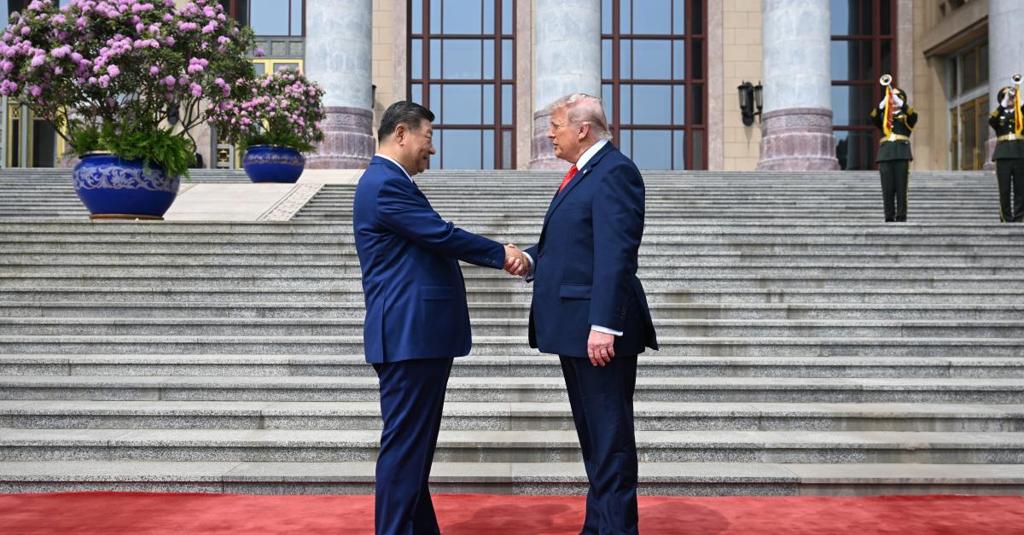
Xi’s visit to Washington follows Trump’s own trip to China in May, where the U.S. president was received with significant ceremony and diplomatic pageantry. In a gesture of reciprocity, Trump is expected to host a state dinner in the nation’s capital. Multiple reports indicate that prominent U.S. business and technology leaders are seeking invitations to the event, reflecting the high economic stakes involved in the U.S.-China relationship. The presence of these leaders underscores the importance that both countries place on economic ties, even as they grapple with contentious issues.
Trade and Economic Priorities
Trade is expected to be a central issue during the talks between Trump and Xi. According to the Office of the United States Trade Representative, the U.S. trade deficit with China reached $202.1 billion in 2025, with China remaining the third-largest U.S. trade partner. Trump has repeatedly emphasized trade as his top priority in discussions with Xi, bringing more than a dozen top U.S. business leaders to the May meeting in Beijing. This focus on economic matters is likely to continue during the Washington summit, as both sides seek to address imbalances and promote their own national interests.
The economic relationship between the U.S. and China is complex and multifaceted. While the two leaders have maintained what Trump has described as a relationship of "mutual respect," the competition for economic advantage remains intense. Influential business figures are reportedly eager to attend the state dinner, highlighting the significance of U.S.-China economic relations for American industry and technology sectors.
"China’s illicit acquisition of 220 million U.S. voter files."
— Donald Trump, President
Artificial Intelligence and Security Concerns
Beyond trade, the Trump administration is seeking to accelerate the adoption of artificial intelligence (AI) in the United States, citing concerns that China could gain dominance in this critical sector. The debate over AI is expected to be a focal point of the upcoming meeting, as both nations invest heavily in research, development, and deployment of advanced technologies. U.S. officials have expressed concern that China’s rapid progress in AI could give it a strategic edge in both economic and military domains.
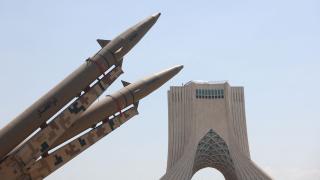
Security issues are also high on the agenda. Trump has accused China of interfering in the 2020 U.S. election, describing it as the "largest compromise of election data in history." He claims this led to China’s acquisition of 220 million U.S. voter files, raising alarms about the vulnerability of American electoral systems. The administration has also raised concerns about Chinese support for Iran, warning that China has aided Iran with weapons and intelligence against American forces. Prior to the U.S. naval blockade of Iranian ports, China was Iran’s largest oil exporter, deepening the strategic ties between Beijing and Tehran.
Taiwan, Birthright Citizenship, and Diplomatic Tensions
Taiwan remains a particularly contentious issue in U.S.-China relations. During the May meeting in Beijing, Taiwan was a top concern for Chinese officials, who do not recognize the island’s independence and view it as a breakaway province. The United States, by contrast, recognizes and supports Taiwan’s independence and continues to sell weapons to Taiwan, including an $11 billion arms sale approved by the Trump administration last year. This ongoing support has been a source of friction between Washington and Beijing, with China repeatedly urging the U.S. to halt arms sales and diplomatic engagement with Taipei.
In addition to Taiwan, Republicans and members of the Trump administration have raised alarms over Chinese citizens allegedly exploiting birthright citizenship through birthright tourism. While the administration has not announced new policy changes on this issue ahead of the summit, the topic remains a point of discussion among policymakers concerned about immigration and national security.
Diplomatic Schedule and Broader Context
Before meeting Xi, Trump is expected to travel to New York to participate in the United Nations General Assembly week, where he is scheduled to address the gathering on Tuesday. The state visit by Xi is viewed as a critical moment in the ongoing U.S.-China relationship, with both sides facing pressure to address a range of economic, technological, and security disputes. The outcome of the meeting could have significant implications for global trade, technology standards, and regional security dynamics.
Chinese officials have not publicly responded to the latest U.S. allegations or policy criticisms ahead of the visit. The summit is being closely watched by international observers, business leaders, and policymakers, as it may set the tone for U.S.-China relations in the months ahead. Both governments are under pressure to demonstrate progress on key issues while managing the risks of further escalation.
As the world’s attention turns to Washington, the Trump-Xi summit represents both an opportunity and a challenge for two countries whose actions will shape the global order for years to come.