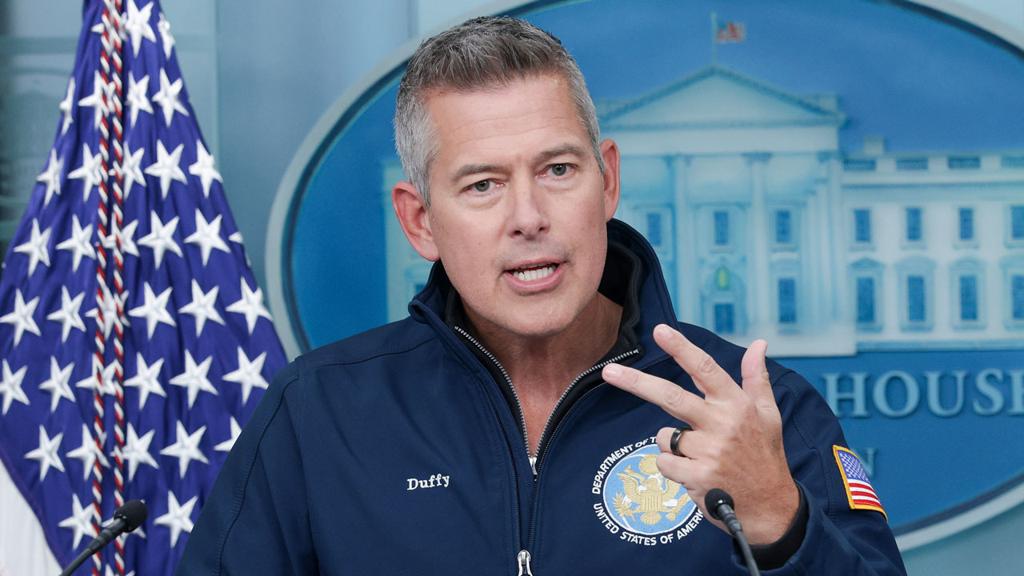
Transportation Secretary Sean Duffy has called on Congress to approve $50 billion in funding to further upgrade the nation’s air traffic control systems. This request follows a significant four-hour ground stop that halted all U.S. departures on Friday, disrupting air travel nationwide and highlighting what Duffy described as urgent vulnerabilities in the current system.
Explainer How DHS Shapes Immigration Enforcement and Election Security in America
The Federal Aviation Administration (FAA) issued the nationwide ground stop after a communications failure affected multiple Air Route Traffic Control Centers. According to an FAA statement, the outage paralyzed air travel across the country and was ultimately traced to a contractor’s routine switch from copper to fiber wires at a remote FAA facility. Duffy explained to reporters on Saturday that the incident exposed weaknesses in the system’s infrastructure and underscored the need for comprehensive modernization.
Duffy’s Funding Request
Duffy stated that the Department of Transportation had already received a $12.5 billion “partial payment” from Congress for air traffic control modernization. However, he insisted that a full overhaul would require a total of $50 billion. He pointed to ongoing progress, including replacing 69% of copper wires with fiber, deploying new technology at 143 control towers, modernizing 469 radio sites, and installing new radar and simulator systems.
“If we don’t start to switch out our systems, how long are we going to wait? I think this [outage] is a sign for [Congress] to lean in. This is bipartisan,” Duffy said at a press conference, emphasizing the urgency of the upgrades.
"They gave me $12.5 billion. And one of the problems that we had was [Congress wasn’t] quite sure that we would spend the money well and we’d build with the money. And that’s the history of the FAA that goes back from Republicans and Democrats. They haven’t spent the money well. So, they want to make sure we’re going to spend and spend it well. And we have."
— Sean Duffy, Transportation Secretary
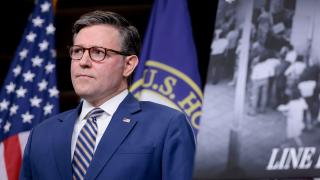
Duffy also noted that the department is still investigating the root cause of the outage. He said it is not yet clear whether the disruption was due to user error, a contractor mistake, or faulty equipment from L3Harris, the aerospace and defense contractor involved. He stressed that the incident was not the result of a cyberattack, a point that was also emphasized by Homeland Security Secretary Markwayne Mullin during a joint White House briefing.
Political Backlash and Criticism
The $50 billion funding request has drawn immediate criticism from both Democrats and Republicans. Democratic New York Gov. Kathy Hochul called for Duffy’s resignation, posting on X that "America’s airspace ground to a halt yesterday, leaving thousands of flights canceled and travelers stranded across the country. More than 3,500 planes were already in the air as radar and communications systems faltered. We’re fortunate no lives were lost."
Former Republican Rep. Marjorie Taylor Greene described Duffy’s request as a "shakedown" and questioned the necessity of such a large sum. She referenced previous government spending on foreign wars and criticized Mullin’s framing of the funding request as a national security issue. Greene also expressed skepticism over official denials that a cyberattack was involved, reflecting broader concerns about transparency and accountability in federal agencies.
The bipartisan criticism reflects longstanding concerns in Congress about the FAA’s history of managing large-scale modernization projects. Lawmakers have questioned both the cost and oversight of proposed upgrades, citing past inefficiencies and delays. Duffy acknowledged this skepticism, noting that both Republicans and Democrats have historically doubted the FAA’s ability to spend appropriated funds effectively. He argued, however, that the department has made significant progress and that the recent outage demonstrates the need for further investment.
FAA Response and Next Steps
The FAA confirmed the ground stop in a statement, citing "extraordinary circumstances" and ongoing technical investigations. The agency said it is working to determine the precise cause of the outage and is cooperating with the Department of Transportation’s review. Neither the FAA nor members of Congress immediately responded to requests for comment on Duffy’s funding proposal. The Department of Transportation referred inquiries to Duffy’s latest briefing.
Duffy pledged to continue system upgrades and said his department is committed to identifying and addressing the vulnerabilities exposed by the outage. The incident has renewed scrutiny of federal oversight and investment in critical infrastructure, particularly as air travel remains a vital component of the national economy and public safety.
With Congress now facing pressure to decide on the $50 billion request, the debate over how best to modernize the nation’s air traffic control system is expected to intensify. Lawmakers must weigh the urgency of addressing identified vulnerabilities against concerns about cost, oversight, and the FAA’s track record. The outcome will likely shape the future of U.S. air travel and the resilience of its supporting infrastructure for years to come.