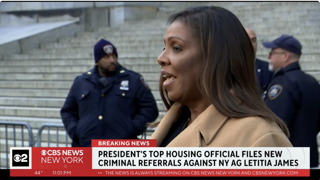
Four of the seven Cornell University fraternity members accused of sexually assaulting a fellow student have joined a court petition seeking to remove New York Attorney General Letitia James from leading the criminal investigation into the allegations. This move, revealed in recent court filings and multiple reports, highlights a growing dispute over the impartiality of the state’s top prosecutor and the legal process for appointing special prosecutors in sensitive, high-profile cases.
Explainer Understanding Indictments: The Bedrock of America’s Criminal Justice System
The controversy centers on whether James’ prior public statements about the case demonstrate bias, and whether the court has the authority to disqualify her as special prosecutor if not all defendants participate in the petition. The outcome could influence how similar cases are handled in the future, particularly when public officials comment on ongoing investigations.
Earlier this year, New York Governor Kathy Hochul reassigned the case to James after the local district attorney declined to pursue charges. Hochul’s decision made James the special prosecutor responsible for overseeing the investigation. Shortly after her appointment, James posted statements on social media platforms X (formerly Twitter) and Facebook, describing the alleged assault as “horrific and unacceptable” and voicing support for the accuser. These posts have become central to the defense’s argument that James cannot be impartial.
The Petition to Remove James
The legal effort to remove James began when attorneys Andrew T. Miltenberg and Stuart Bernstein filed a petition on behalf of one of the accused fraternity members. Three additional defendants have since joined the petition. The court filing specifically cites James’ social media comments as evidence of bias, quoting her statements such as, “What this young woman has been forced to endure is horrific and unacceptable,” and, “To her, and to all survivors: you’re not alone. We stand with you.”
"What this young woman has been forced to endure is horrific and unacceptable."
— Letitia James, New York Attorney General
The defense contends that these remarks suggest James has already formed an opinion about the case, raising concerns about the fairness of the investigation. The attorneys argue that such public expressions of support for the accuser undermine the presumption of innocence for their clients and call into question the objectivity of the prosecution.
A New York judge presiding over the matter recently questioned whether he has the authority to remove James unless all seven accused men join the petition. He gave the defense attorneys until Thursday to secure the participation of the remaining defendants. As of the latest court filings, only four have joined, leaving the petition short of the threshold the judge indicated might be necessary to move forward.
Arguments From Both Sides
Kaitlin Vigars, an assistant New York attorney general representing both Governor Hochul and Attorney General James, has pushed back against the petition. In court, Vigars argued that it is premature to claim James is biased, emphasizing that the investigation is still in its early stages and no charges have been filed. She cited legal precedent supporting the governor’s authority to appoint a special prosecutor and noted that, should indictments be issued, the defendants would have another opportunity to challenge James’ role at that time.
Vigars also pointed out that James has taken steps to ensure the integrity of the investigation by appointing Jacqueline Kelly, a former federal prosecutor, as outside counsel. Kelly and her team are tasked with overseeing evidence collection and conducting witness interviews. According to multiple reports, Kelly will report directly to James, adding an additional layer of oversight to the process.
The defense, however, maintains that James’ early public statements have already tainted the investigation. They argue that the appearance of bias, even at this preliminary stage, could have lasting effects on the proceedings and the reputations of those involved.
Broader Context and Next Steps
The case has drawn significant attention, both on the Cornell campus and statewide, as it raises broader questions about prosecutorial impartiality and the procedures for appointing special prosecutors in cases involving allegations of sexual assault at major universities. The judge’s decision on whether to remove James could set a precedent for future challenges to prosecutors’ roles based on their public comments or perceived biases.
Legal experts note that while it is not uncommon for public officials to make statements about high-profile cases, such remarks can complicate legal proceedings if they are perceived as prejudging the outcome. The court’s ruling on the petition could clarify the standards for when a prosecutor’s public comments cross the line into disqualifying bias.
As of now, the investigation remains in its early, fact-finding phase. No indictments have been announced, and it is unclear whether the remaining three defendants will join the petition to remove James. The court has not yet ruled on the matter, and James’ office has not issued further public comment regarding the petition or the ongoing investigation.
The outcome of this legal challenge could have implications not only for the individuals involved, but also for how similar cases are handled in the future, particularly when public officials are called upon to lead sensitive investigations. For now, the case remains in limbo as the court considers the arguments from both sides and awaits further developments.