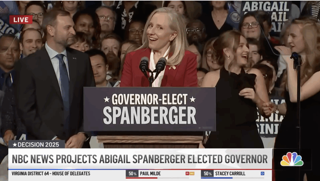
The balance of power in the Georgia State House remains unresolved as ten district races have yet to be called, leaving the future of legislative control in question. Republicans need to secure most of these remaining contests to maintain their majority in the chamber, while Democrats hope to capitalize on recent statewide gains. The outcome of these uncalled races will determine whether the GOP can continue to serve as a check on Democratic advances in Georgia’s statewide offices, or if Democrats will gain new leverage in shaping policy.
Explainer Georgia Election Reforms: Security, Controversies, and the Road Ahead
The stakes are high for both parties as they await the final results. The composition of the State House will have a significant impact on Georgia’s legislative agenda, including issues such as education, healthcare, and voting laws. The uncertainty comes on the heels of a strong performance by Democrats in statewide races, where they made notable gains. Democrats performed well in contests for the U.S. Senate, governor, attorney general, secretary of state, and lieutenant governor. Despite these successes, the Georgia Senate remains narrowly under Republican control, with the GOP holding 29 out of 56 seats. This means that even a shift in the House could dramatically alter the balance of power in the state legislature.
Tight Margins in Key Districts
According to Decision Desk HQ, ten House districts remain uncalled as of Thursday afternoon, and several of these races are extremely close. In District 22, Republican Jordan Ridley leads Democrat James Shade by about 1 percentage point, a margin of 273 votes, according to the secretary of state’s website. This slim lead underscores the competitive nature of the race and the potential for the outcome to change as final ballots are counted.
District 103 is even closer, with Democrat Chris Luchey ahead of Republican Soo Hong by just 27 votes, or 0.12%. Such a narrow margin places the race well within the threshold for a recount under state law. In District 154, Democrat Harry James leads Republican Gerald E. Greene by 58 votes, a margin of 0.3%. These tight margins highlight the importance of every vote and the potential for recounts or legal challenges in the coming days.
Other uncalled districts include 29, 34, 40, 48, 53, 111, and 128. Each of these districts could play a pivotal role in determining which party controls the House. In District 151, no candidate secured more than 50% of the vote, so that seat will be decided in a runoff. The outcome of the runoff could also prove decisive if the overall balance remains close after the other races are resolved.
Certification and Recount Procedures
Georgia’s election laws provide clear guidelines for handling close races. State law allows for a recount if the margin between candidates is 0.5% or less. Candidates must request a recount within two business days after the race is certified. This provision is likely to come into play in several of the uncalled districts, given the razor-thin margins currently reported.
County election officials have until Monday to certify their results and submit them to the secretary of state’s office. Once all counties have reported, the secretary of state is required to certify the statewide results by Nov. 20. Only after this certification process is complete will the final composition of the State House be known. If recounts are requested, the process could extend further, delaying the final outcome.
Party Responses and Next Steps
Both parties are closely monitoring the ongoing vote counts and preparing for potential recounts or legal challenges. Georgia GOP Chairman Josh McKoon said the party’s focus is on ensuring Republicans "continue to fight for Georgia families, hold the line on responsible policies, and prepare for the elections ahead."
Stewart Bragg, general consultant at JLK Political Strategies, emphasized the importance of maintaining party discipline and communicating the stakes to voters. "We must continue making the case for responsible leadership and remind voters that promises are easy to make, but the consequences are real," Bragg said.
As of Thursday afternoon, Democrats had not issued a public statement on the remaining House races. The party is expected to closely watch the certification process and consider its options in districts where the margins are especially close. The final outcome will depend on the completion of the certification process, the resolution of any recounts, and the result of the District 151 runoff.
The coming days will be critical in determining the future direction of Georgia’s legislature. With control of the State House hanging in the balance, both parties are preparing for a potentially prolonged process before the final results are known.