Republican insiders are divided over the causes of their party’s sweeping midterm losses, with many pointing to voter anger over economic hardship, the unpopular war with Iran, and a sense that both the administration and Congress failed to address core concerns.
Explainer Understanding Midterm Elections: Voter Trends, Security, and GOP Strategy
The debate reflects a broader struggle within the GOP to explain a defeat that saw the party lose not only swing districts but also long-held seats in states like Kansas, Texas, and South Carolina.
The losses mark a significant setback for Republicans, who had promised stability and prosperity but now face internal disputes over strategy, candidate quality, and the future direction of the party.
Economic and Foreign Policy Backlash
Several officials and operatives close to the White House told the Daily Signal that high gas prices and the ongoing conflict with Iran were central to voters’ discontent. One former senior administration official described the election outcome as “a middle finger,” adding, “I think it comes down to affordability and the war, and Americans feeling like the administration and Republicans at large, including an unproductive Congress, don’t really give a damn.”
Exit polling cited by CBS News found that 38% of voters were “angry” about the economy and 37% were “dissatisfied,” while only 18% expressed satisfaction. The war with Iran, though less important than the economy, still influenced results, with most voters believing the administration made the wrong decision to attack Iran—including about a quarter of Republicans, according to polling referenced in the Daily Signal.
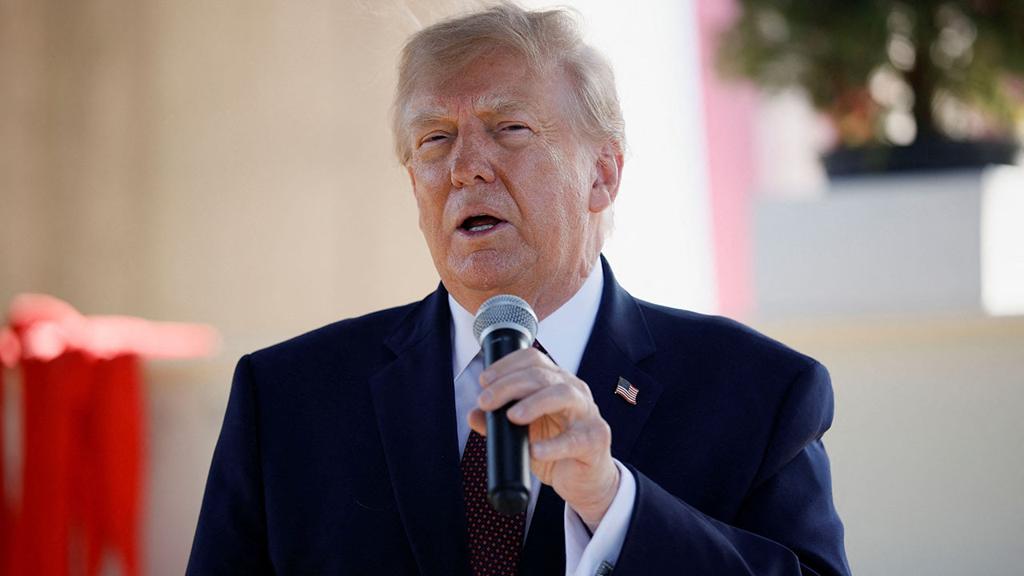
President Donald Trump has defended the conflict with Iran as necessary, but acknowledged on Wednesday that he “knew the war was going to impact” the midterms. One source close to the White House said, “The Iran war is unpopular and causes gas prices to go up. Gas prices are the most tangible political issue that voters see and feel every day.”
Turnout and Candidate Quality Debated
White House and Republican National Committee officials argued that turnout among Trump’s base was weak without his name on the ballot, and that some supporters even switched sides. They also pointed to candidate quality as a factor, noting that even strong campaigners like Sens. Ashley Moody of Florida and Tom Cotton of Arkansas barely held their seats, while others such as Sen. Susan Collins of Maine and Rep. Ashley Hinson of Iowa lost.
However, some operatives said the outcome was less about candidate quality and more a referendum on the party’s performance. “A loss like last night wasn’t about candidate quality or spending. It was a referendum,” a national Republican operative told the Daily Signal. “Voters were promised something by President Trump and Republicans in 2024: stability, prosperity, safety. They may have gotten safety, but on the other two pillars, voters feel the president gave them war and a chaos economy that goes up and down like a yo-yo.”
"This was a complete repudiation of Trumpism. When you lose literally everything, there is no one else to blame. Trumpism expired, and conservatives need to start rebuilding the coalition."
— GOP strategist, quoted in the Daily Signal
Party Divided on Blame
Some Republicans directly blamed Trump for the losses, calling the results a repudiation of his leadership and approach. Others pushed back, arguing that the problems ran deeper than the president alone. An official involved in Trump’s political operation said, “To just blame the president, I think a lot of these people are very lazy and it kind of ignores the widespread problems that go beyond just one thing: all of these candidates begged the president to go out and do rallies with them in the home stretch, and if he was such an albatross around their neck, they would not have done that.”
The party now faces pressure to reassess its coalition and messaging, with insiders warning against interpreting the results as a permanent ideological shift. “You don’t have nearly 80 million Americans vote for a fundamental shift to the right and then assume they’ve all embraced the left two years later. Those voters haven’t disappeared. Their patience has,” a source close to the White House said.
Democratic officials did not respond directly to the criticism, but the Daily Signal reported that Democrats focused on motivating their base and attacking the administration’s record on affordability and the war.