Voters in several states approved ballot measures tightening election rules and restricting transgender participation in women's sports, even as Democrats made significant gains in congressional and statewide races. The results underscore a complex political landscape, where party victories at the top of the ticket do not always align with voter preferences on key policy issues, particularly those related to election integrity and gender in sports.
Explainer Voter ID Laws: Securing Elections While Debating Accessibility and Integrity
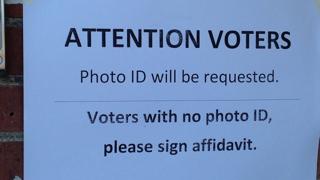
While Democrats expanded their majority in Congress and abortion rights measures advanced in some states, a number of states—both traditionally conservative and some where Democrats won major races—passed new requirements for voter identification and citizenship to vote. These measures reflect ongoing debates over the security and accessibility of U.S. elections, as well as the role of gender in athletics.
Alaska voters approved a citizenship requirement for voting by a wide margin, with 69% in favor, according to Ballotpedia. In Kansas, where Democrats gained a Senate seat, 63% of voters supported a constitutional amendment that limits voting to U.S. citizens. Arkansas and South Dakota voters also backed new laws barring noncitizen voting in local elections, and West Virginia added a similar restriction to its state constitution. These results indicate that, regardless of broader partisan trends, voters in many states remain supportive of measures aimed at tightening election rules.
Voter ID and Citizenship Measures
A number of states, including some with notable Democratic victories, approved constitutional amendments requiring voter ID at the polls. In North Carolina, where Democrats won a Senate seat, the voter ID measure passed with 60% support. Ohio, another state with a Democratic Senate win, saw its voter ID amendment approved by 66% of voters. Nevada voters also backed a voter ID requirement, with 62% in favor, according to NBC News.
However, not all states moved in this direction. In California, 60% of voters rejected a proposed voter ID law, signaling continued resistance to such measures in some parts of the country. Arizona voters turned down a broad election reform measure that included both citizenship and voter ID requirements. In Colorado, a proposal to expand voter ID requirements to mail-in ballots was defeated by a 64% margin. These results highlight the ongoing national debate over how best to balance election security with access to the ballot box.
Women's Sports and Gender Policies
On another front, voters weighed in on policies affecting transgender participation in women's sports. In Nebraska, a measure to prevent biological males from participating in women's scholastic sports passed with 68% support, according to Ballotpedia. Arizona voters approved a measure requiring athletes to play on teams and use private locker rooms based on their biological sex, with 58% in favor, according to Decision Desk HQ. The Arizona measure further restricts transgender individuals from joining teams or using facilities that align with their gender identity, reflecting a trend among some states to enact stricter gender policies in athletics.
In Washington, early results showed 57% of voters supporting a similar restriction, though the measure had not been officially called as of Wednesday morning. Meanwhile, in Colorado, a proposal to ban gender-related surgeries for minors remained too close to call, indicating a closely divided electorate on this issue.
Abortion Rights Ballot Results
Voters also considered measures related to abortion rights, another issue that has divided states in recent years. In Virginia and Nevada, voters approved measures to codify abortion rights in their state constitutions, signaling support for reproductive rights in those states. In contrast, voters in Idaho and Missouri rejected proposals that would have enshrined abortion rights, reflecting continued opposition in more conservative regions.
Ballot Measure Results Overview
The ballot measure results come as the SAVE America Act failed to advance with the new congressional majority. Voter ID and citizenship requirements have typically been championed by Republicans and opposed by Democrats, but this election cycle saw such measures pass even in states where Democrats made gains in other races. Supporters of these policies argue that they are necessary to protect election integrity and prevent fraud, while opponents contend that they could restrict access to the ballot, particularly for minority and low-income voters.
The passage of measures restricting transgender participation in women's sports also reflects a growing trend among states to address gender identity issues through ballot initiatives. Proponents argue that these policies ensure fairness in competition, while critics say they discriminate against transgender individuals and undermine inclusivity.
No immediate response from Democratic leaders on the state-level ballot measures was reported in the aftermath of the election. The results suggest that, even as the national political landscape shifts, voters remain divided on key issues related to election security, gender, and reproductive rights, with state-level decisions often diverging from broader partisan trends.