Voters across the country are deciding a series of high-profile ballot initiatives that could reshape state laws on abortion, voting, redistricting, and civil rights, as the 2026 midterm elections bring major policy questions directly to the electorate.
Explainer Voter ID Laws: Securing Elections While Debating Accessibility and Integrity
The measures reflect sharp divides over abortion access, election integrity, and social policy, with both supporters and opponents warning of far-reaching consequences depending on the outcomes.
These initiatives come as states increasingly use ballot measures to settle contentious issues, often after legislative gridlock or court rulings have left policy in flux.
Abortion and Reproductive Rights
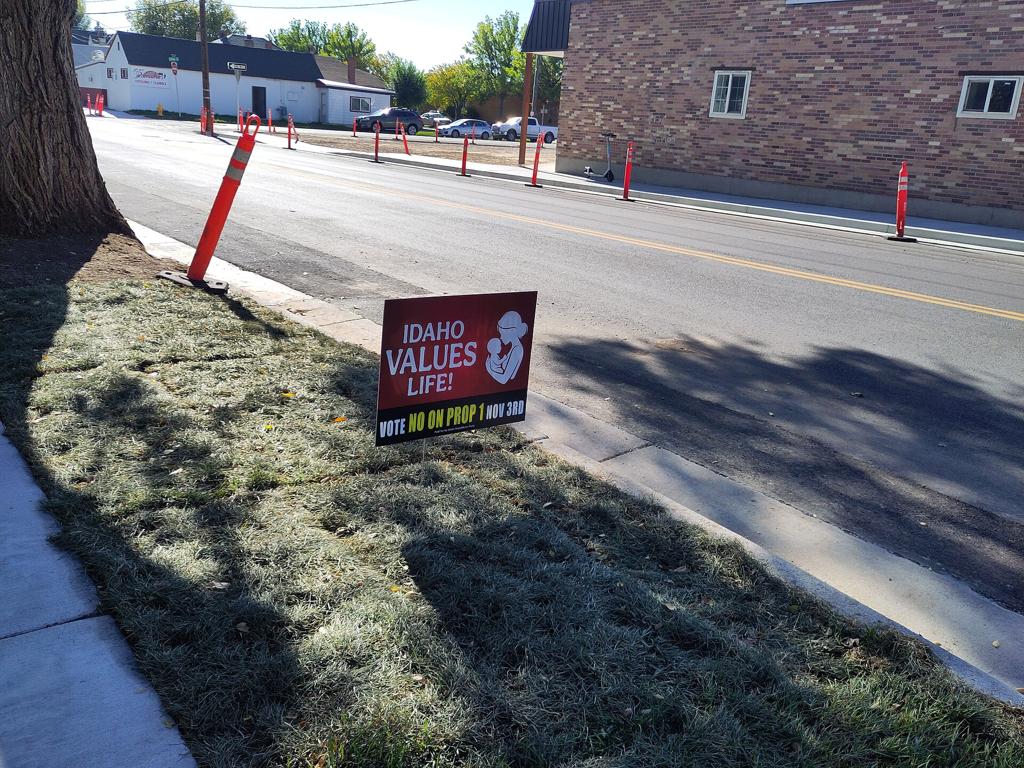
Idaho’s Proposition 1 would establish a broad "right to reproductive freedom and privacy" for all individuals, redefining "medical emergency" and allowing non-licensed individuals to perform abortions. The measure would also remove penalties for those performing abortions. Opponents, including 64 Idaho doctors who signed an open letter, argue the proposal is too extreme and could allow "painful, late-term abortions" and endanger premature infants. The Idaho GOP has urged voters to reject the measure, stating, "Prop 1 is too extreme for Idaho. Vote no!"
Nevada voters are considering Question 6, which would enshrine a "fundamental right to an abortion" in the state constitution. Abortion in Nevada is currently legal within the first 24 weeks of pregnancy and permitted after 24 weeks if a physician determines it is necessary to protect the life or health of the pregnant person, according to state law. This is the second required vote on the measure after initial approval in 2024.
Virginia’s Constitutional Amendment Question 1 proposes to protect decisions about prenatal care, childbirth, abortion, and related matters, while allowing third-trimester abortion restrictions unless a physician determines the patient’s health is at risk. The official explanation clarifies that the amendment would protect doctors, nurses, and patients from punishment for these decisions. Critics, including Jordan Sekulow of the American Center for Law and Justice, argue the language is overly broad and could allow abortions up to birth for "physical or mental health" reasons.
Missouri’s Amendment 3 would repeal a 2024 constitutional amendment that established a "right to reproductive freedom" and clarify exceptions for medical emergencies, while also prohibiting gender transition procedures for minors. Supporters say the amendment is needed to restore parental consent protections and address concerns about the prior amendment’s scope.
Voting Rules and Election Law
Several states are considering measures to tighten voting requirements. Arizona’s Proposition 144 would require voter ID, ban foreign money in elections, and guarantee in-person ballot tabulation. California’s Proposition 39 would mandate government-issued ID for in-person voting and require officials to verify citizenship status on voter rolls. Other states with voter ID measures include Colorado, Nevada, North Carolina, and Ohio. Nevada’s voter ID measure, Question 7, is up for a second required vote after initial passage in 2024.
Alaska’s Measure 2 seeks to repeal ranked-choice voting, a system enacted in 2020. A previous repeal attempt failed by fewer than 700 votes. Supporters argue the system has altered election outcomes and benefited certain candidates. Massachusetts’ Question 3 would introduce a top-two primary system, potentially impacting party representation in general elections.
North Dakota and South Dakota are considering amendments to raise the threshold for passing future constitutional amendments from a simple majority to 60 percent, aiming to make it harder to change state constitutions.
Redistricting and Civil Rights
Colorado’s Amendment 86 would require that any mid-decade redistricting be approved by the state’s independent commission and Supreme Court, with public input and a ban on partisan map changes. Maryland’s Question 3 would remove criteria for congressional redistricting, a move backed by Gov. Wes Moore and the state’s Democratic Party. Missouri’s Proposition A asks voters to approve a new congressional map shifting the state from a 6-2 to a 7-1 Republican-Democrat split, following a Supreme Court battle over the map’s legality.
Vermont’s Proposal 4 would add protections for LGBT individuals to the state constitution, while Virginia’s Question 2 would repeal language defining marriage as between a man and a woman and bar discrimination against same-sex couples in marriage licensing. Several states, including Arizona, Colorado, Nebraska, and Washington, are considering measures to restrict participation of transgender athletes in women’s sports, with Arizona’s Proposition 318 also addressing access to school facilities based on biological sex.
Immigration, Guns, and Emergency Powers
Arizona’s Proposition 317 would designate drug cartels as domestic terrorist organizations and require state action against cartel threats. Colorado’s Amendment 81 would require the state to notify federal authorities when charging people in the country illegally with violent crimes or those with prior felonies. Arkansas and Massachusetts are considering amendments on gun rights, while Wisconsin’s Question 2 would prohibit the closure of places of worship during emergencies, a response to restrictions imposed during the Covid pandemic.
Supporters and opponents of these measures have launched campaigns highlighting the potential impact on state law and individual rights. In several cases, officials and advocacy groups have not publicly addressed specific criticisms of the ballot language or its projected effects.