Arkansas Gov. Sarah Huckabee Sanders, one of the few Republicans to retain office following a Democratic surge in the recent midterm elections, has predicted that voters will soon experience what she calls 'buyer’s remorse' as Democratic policies begin to take effect across the country.
Explainer Midterm Elections and Their Enduring Impact on American Politics
Sanders, who previously served as White House press secretary, is now among the highest-profile Republicans to publicly critique both her party’s strategy and the Democrats’ messaging on economic issues. Her comments come as Republicans nationwide are assessing their losses in several states and debating how to regain ground in future elections.
Sanders on Democratic Policies
In a recent interview, Sanders argued that Democratic policies would have a direct and significant impact on families and communities, particularly as new laws and regulations are implemented. She predicted, “They’re going to feel that impact, and they’re going to feel it pretty significantly and directly in their homes, in their communities, and I think we’ll see a big shift back in ’28.”
Sanders criticized Democrats for campaigning on promises of affordability, but claimed that their policies do not reflect those promises in practice. “Their policy is not reflective at all of what they say they want to accomplish,” Sanders said. She added that Republicans failed to draw a sharp enough contrast with Democrats in the final months before Election Day, which she believes contributed to the party’s losses.
"I think you’re going to have a lot of buyer’s remorse when people are living under the policies of the far left," Sanders said, suggesting that the effects of Democratic governance will prompt voters to reconsider their choices by the next major election cycle.
Republican Strategy in Arkansas
Sanders attributed the Republican Party’s continued success in Arkansas to a focus on issues that directly affect daily life, such as education, business, and public safety. She noted that all members of the state’s federal delegation and constitutional officers were elected as conservative Republicans, which she said was due to their attention to "kitchen table issues" that resonate with voters.
She emphasized the importance of making policy personal and using real-world examples to communicate with constituents. “I think one of the most effective ways to communicate a policy message is to make it personal, and to really put faces on the policy, and to, um, use real-world examples of how those policies are impacting people,” Sanders explained. According to her, this approach helps voters understand the tangible effects of legislation and government action on their everyday lives.
Messaging and Affordability
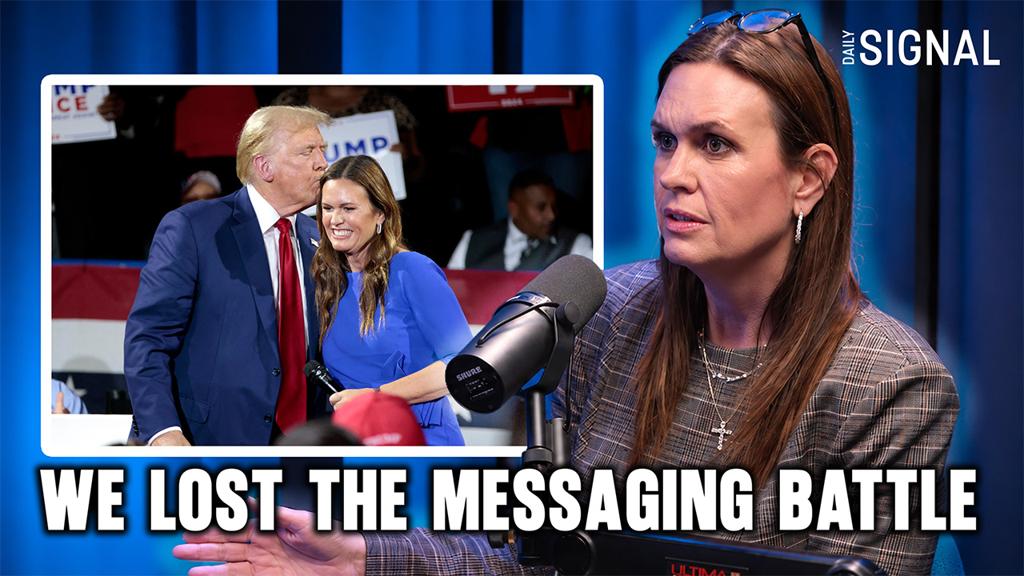
Sanders acknowledged that Republicans lost the messaging battle on affordability during the campaign, an issue she said Democrats "owned" in the eyes of many voters. She pointed to education as a key area of focus in Arkansas, stating, “We have legitimately transformed education in the state of Arkansas.”
She urged state-level politicians not to dismiss affordability as solely a federal issue, arguing that local officials can take meaningful steps to lower costs for residents. “You can still do things that make the cost of living in your community easier and better,” she said, citing tax cuts as an example of how state governments can help ease financial pressures on families.
Sanders’ comments reflect a broader debate within both parties about how best to address economic concerns and connect with voters. She suggested that Republicans need to sharpen their message and provide clear contrasts with Democratic policies, particularly on issues that affect household budgets and economic security.
Lack of Democratic Response
Democratic leaders did not immediately respond to Sanders’ criticism regarding their affordability policies or her prediction of voter regret. The absence of a direct response highlights the ongoing nature of the debate over economic policy and voter sentiment in the wake of the midterm elections.
Sanders’ remarks underscore the challenges facing both parties as they prepare for future election cycles. While Democrats have made gains in several states, Republicans like Sanders are focusing on refining their message and strategy, particularly on economic issues that remain top concerns for many voters. As both parties look ahead to the next round of elections, the debate over affordability, policy impact, and voter satisfaction is likely to remain at the forefront of political discourse.