Recent off-year elections have underscored the importance of economic issues for voters, as many disregarded political attacks in favor of candidates who they believe can address their financial concerns. In states like Virginia and New Jersey, voters prioritized economic stability and property taxes over partisan rhetoric, signaling a potential warning for Republicans ahead of the upcoming midterms.
Exit polls from these jurisdictions indicated that economic issues were at the forefront of voters' minds. Democratic candidates, including Abigail Spanberger in Virginia and Mikie Sherrill in New Jersey, successfully appealed to independent voters by focusing on pocketbook issues. This trend suggests that voters are increasingly concerned about the economy, which could impact Republican strategies moving forward.
Chris Jacobs, founder of Juniper Research Group, noted the shift in voter priorities. "If Republicans don’t achieve those two objectives over the next 12 months, they will face another electoral reckoning next fall — with more to come after that — and deservedly so," he stated, emphasizing the need for the GOP to present a clear economic agenda.
The recent elections also highlighted a stark contrast in messaging between parties. While Democrats faced criticism for their handling of the economy, they managed to connect with voters by addressing their financial struggles. In New York City, for instance, voters largely overlooked radical positions held by candidates like Zohran Mamdani, focusing instead on cost-of-living issues.
Historically, economic performance has been a critical factor in electoral outcomes. The 2017 election in the UK serves as a cautionary tale for Republicans. Jeremy Corbyn, despite his controversial views, gained significant traction by appealing to voters' desires for economic reform, largely due to a lack of enthusiasm from then-Prime Minister Theresa May. This scenario illustrates the potential risks for Republicans if they fail to engage with voters on economic matters.
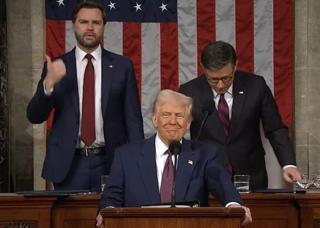
In a recent interview, President Trump appeared out of touch with the economic realities faced by many Americans. When questioned about inflation, he insisted, "We have no inflation," a statement that could be detrimental to Republican messaging as families struggle with rising costs. Such remarks may provide Democrats with ample material for their campaign ads, reinforcing the need for Republicans to recalibrate their approach.
Vice President Kamala Harris offered a more pragmatic perspective on the economy, stating, "We need to focus on the home front. The president has done a lot that has already paid off in lower interest rates and lower inflation, but we inherited a disaster from Joe Biden and Rome wasn’t built in a day." Her comments reflect a recognition of the challenges ahead and the importance of addressing economic issues head-on.
As the midterms approach, Republicans are urged to develop and communicate a clear economic agenda. Jacobs emphasized that the party must not only pass legislation but also effectively convey their accomplishments to the public. With a year remaining before the elections, the GOP faces a critical juncture in determining their electoral fate based on their responsiveness to economic concerns.