In California, dissatisfaction with progressive governance is mounting among voters. However, this discontent is not translating into political shifts toward the Republican Party or a centrist Democratic movement. Critics argue that despite clear signs of dysfunction, voters continue to support the same political leadership that many believe has failed them. This situation highlights a significant disconnect between voter sentiment and electoral outcomes, as many disillusioned voters remain reluctant to switch their allegiance to Republican candidates. This dynamic raises questions about the future of political representation in a state that is predominantly governed by Democratic leadership.
Explainer Election Integrity and Voter Access in California: A Complex Landscape
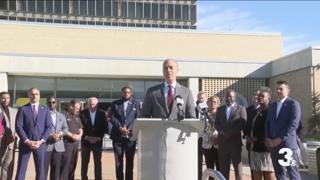
San Jose Mayor Matt Mahan, a centrist Democrat, is currently running for governor. He acknowledges the failures of his party in managing the state effectively. Despite his efforts to present a moderate alternative, he is polling in the single digits, while more progressive candidates lead the race. Republican candidates, although performing well in polls, face an uphill battle against entrenched Democratic supermajorities in the state legislature, which complicates their ability to enact change.
Discontent with Leadership
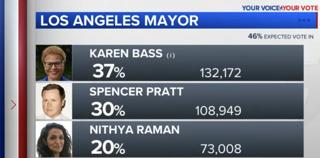
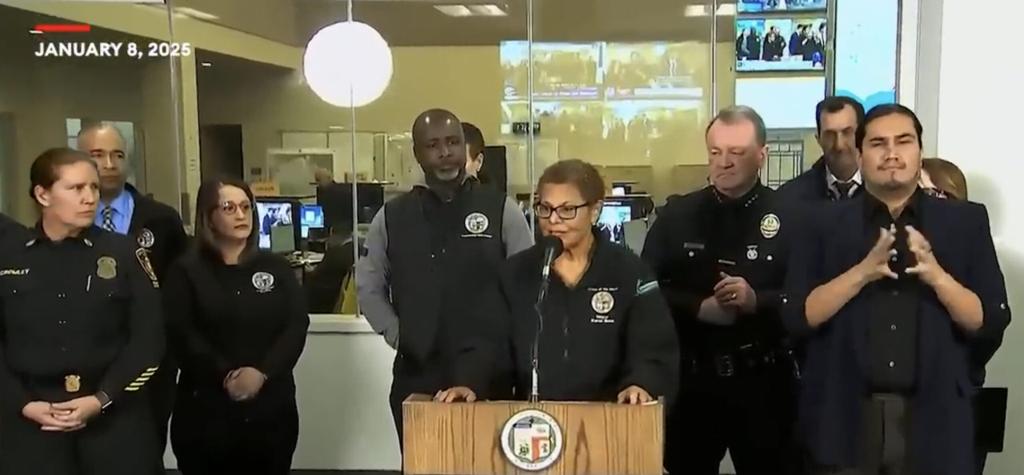
Critics of California's leadership express frustration over the state’s direction, particularly in urban areas like Los Angeles. Here, Mayor Karen Bass has faced significant public backlash. Bass, who is seeking re-election, has been booed during public appearances, reflecting growing anger among constituents about the state of their city. One critic remarked, "The Titanic is sinking, but everyone is voting to stick with a version of the same captain," highlighting the perception that voters are not willing to embrace change despite evident failures in governance.
The California legislature is currently focused on controversial issues, such as legislation related to transgender youth. Critics argue that the state’s approach to these issues has become increasingly extreme, with some witnesses at legislative hearings expressing outrage over proposed policies. Jamie Reed, a former employee at a pediatric gender clinic, voiced her concerns, stating, "When you refuse to engage with the evidence, you have chosen the side that is going to harm gender non-conforming children." This sentiment reflects a broader concern among some voters about the direction of progressive policies.
Republican Challenges
Despite the growing discontent among voters, Republicans have struggled to present a compelling alternative. Many voters who are critical of Democratic policies remain hesitant to support Republican candidates, often citing concerns about the party's direction and policies. Kara Dansky, a Democrat who has moved to Florida, noted that some voters are dissatisfied with both major parties, stating, "I understand why they did so, but I did not." This reluctance to shift allegiance is compounded by cultural factors, as some voters perceive supporting Republicans as socially undesirable. Critics argue that the Republican Party must articulate clear alternatives to the current Democratic policies to attract disenchanted voters.
The Role of Local Issues
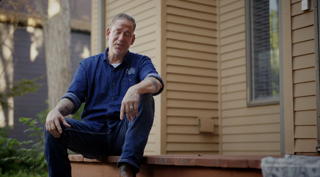
Local issues, such as the controversial SMART train project in Northern California, have also become focal points for criticism. The project has faced opposition from various groups, including environmentalists who argue that it is a waste of taxpayer money. Michael Coffino, a writer and lawyer, has criticized the project, stating that it reflects a broader pattern of mismanagement by progressive leaders. Despite these criticisms, many voters in traditionally Democratic areas continue to support their elected officials, even in the face of dissatisfaction. This phenomenon raises questions about the effectiveness of voter engagement and the potential for political change in a state where Democratic leadership remains firmly entrenched.
As the political landscape evolves, the challenge for both parties will be to address the concerns of voters who feel neglected by their representatives. The ongoing tension between voter dissatisfaction and political inertia underscores the complexities of California's political environment, where entrenched interests and cultural perceptions shape electoral outcomes.
In conclusion, while there is a palpable sense of frustration among voters regarding progressive governance in California, the lack of a viable alternative from the Republican Party complicates the potential for significant political change. As the state approaches upcoming elections, the ability of both parties to respond to voter concerns will be critical in shaping the future of California politics.