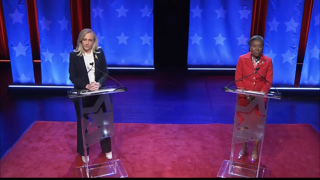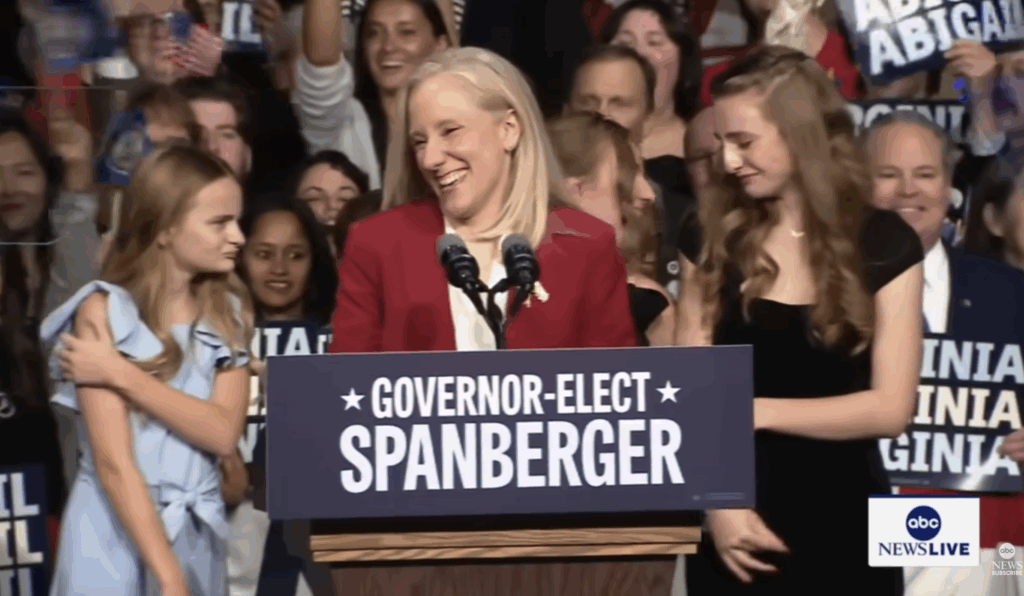
Republicans faced a challenging election night, particularly in blue states, raising questions about the implications for the party's future. Abigail Spanberger, who won comfortably in Virginia, has been characterized as a bland candidate focused on platitudes rather than substantive policies. In a recent NPR interview, she emphasized her commitment to working with the legislature to advance positive initiatives for Virginia, though critics argue her approach lacks depth.
Explainer Navigating Virginia's Electoral Landscape: Key Issues and Reforms
Voter interviews revealed a range of sentiments, with some expressing concerns about former President Donald Trump's influence on women's rights and government policies. A Navy veteran lamented that after 20 years of military service, he felt Trump had undermined the freedoms he fought to protect.
The election results have sparked discussions about the disconnect between political narratives and voter perceptions. Some voters attributed their choices to fears of authoritarianism and economic issues, highlighting a belief that government intervention is necessary to address rising costs, such as those associated with food and housing.
Critics of the Democratic messaging argue that it oversimplifies complex issues, framing government assistance as the only solution to hunger and economic hardship. Republican leaders, including Senator Tom Cotton, have criticized Democrats for playing political games with essential services like SNAP and WIC, emphasizing the need for bipartisan cooperation to support families in need.
Despite the setbacks, the Republican Party's messaging remains focused on addressing these concerns, though questions linger about its effectiveness. The party's ability to articulate a clear and compelling vision is under scrutiny, particularly as it navigates a landscape shaped by shifting voter priorities and perceptions.
Chris Bray, a former infantry sergeant and historian, reflects on the challenges facing the Republican Party, suggesting that without a cohesive strategy, it risks further electoral losses. As the political landscape evolves, the party must reassess its approach to resonate with a broader electorate and address the pressing issues that matter to voters.
The election results serve as a wake-up call for Republicans, prompting a reevaluation of their strategies and messaging as they prepare for future contests. With the stakes higher than ever, the party faces a critical juncture in defining its identity and priorities in a rapidly changing political environment.