Virginia's Legal Battles Over Gun Control, Abortion, and Redistricting Explained
Explore the ongoing controversies in Virginia surrounding assault firearms bans, abortion rights amendments, and redistricting disputes shaping the state's political landscape.
Additional reporting by Liam Walker, Samira Brooks
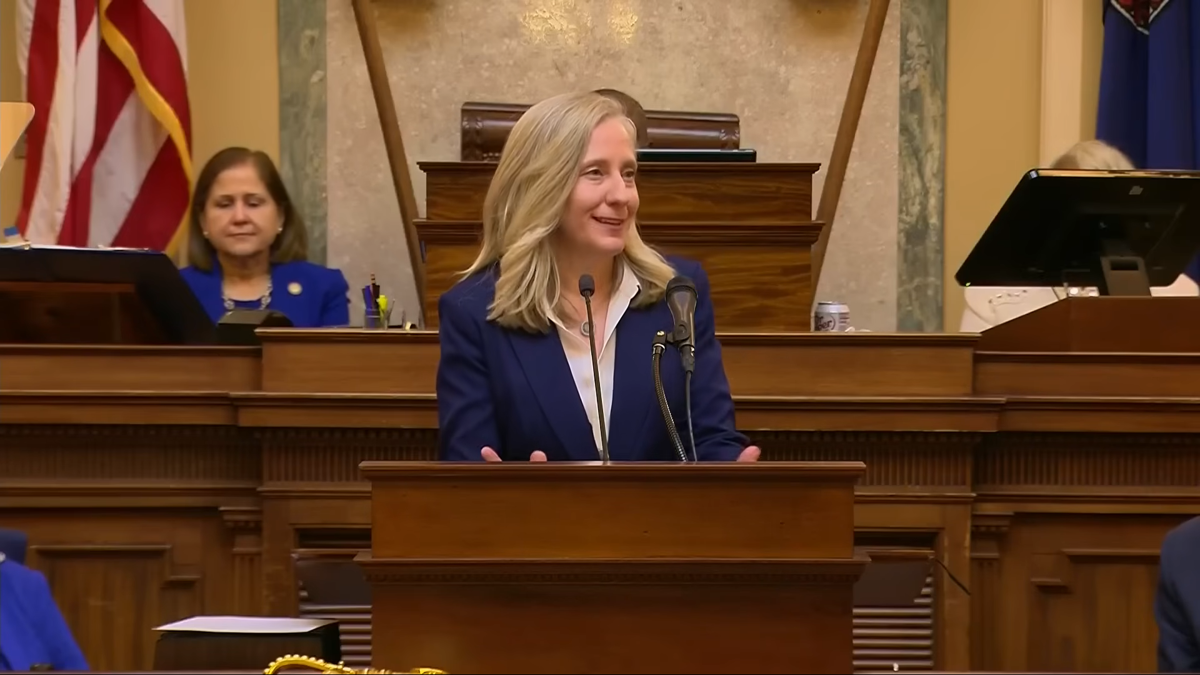
Virginia has emerged as a critical battleground for some of the most contentious political and legal issues facing the United States today. The state’s recent legislative and judicial actions concerning gun control, abortion rights, and redistricting have drawn national attention and sparked vigorous debate about constitutional limits, state sovereignty, and the proper role of government. Understanding these developments is essential for grasping how Virginia’s political landscape is evolving and why these debates resonate far beyond its borders.
This explainer will provide a detailed and authoritative overview of Virginia’s latest election-related controversies. From Governor Abigail Spanberger’s assault firearms ban and the ensuing challenge by the U.S. Department of Justice, to the Democrats’ push for constitutional abortion amendments, and the Virginia Supreme Court’s decisive rulings on redistricting — each area reveals deep political and legal fault lines. We will examine the background, the current status, and the implications of these complex issues.
Virginia’s Assault Firearms Ban and Gun Rights Litigation
"The Supreme Court’s ruling is a reaffirmation that constitutional boundaries cannot be bent to suit political convenience."
In May 2026, Virginia Governor Abigail Spanberger enacted legislation that represents one of the most restrictive state-level gun control measures in recent history. The law prohibits the sale, transfer, manufacture, and importation of certain semi-automatic firearms categorized as 'assault firearms,' identified primarily by features such as pistol grips, detachable magazines, and certain barrel and stock configurations. This measure aligns Virginia with a number of Democratic-led states adopting aggressive gun regulations in response to concerns over violent crime and mass shootings.
The law’s immediate effect on July 1, 2026, prompted swift legal backlash. The U.S. Department of Justice (DOJ) filed suit challenging the ban, contending that it violates the Second Amendment by infringing on the fundamental right of individuals to keep and bear arms. This federal lawsuit against a state law is notable for its direct confrontation of state gun control in federal court, demonstrating the intensifying friction between federal authority and state policymaking—especially when it comes to constitutional rights.
Beyond the DOJ’s involvement, several prominent gun rights organizations, including the Virginia Citizens Defense League and the National Rifle Association, initiated separate lawsuits arguing the ban is unconstitutional and unenforceable. Their legal challenges focus on the rights of law-abiding citizens and question the government’s justification for such sweeping restrictions. For the full legal context, see our coverage on the DOJ lawsuit against Virginia’s ban and the lawsuits filed by gun rights groups.
Virginia’s assault firearms ban also represents a key test case in the ongoing national debate about gun control and the reach of state sovereignty. Conservatives argue that such laws trespass constitutional boundaries and threaten individual liberties, while progressives assert the necessity of such measures to ensure public safety. The dispute illustrates the growing polarization on firearms policy and reflects broader concerns over government power versus personal freedom that resonate deeply within the American electorate.
Abortion Amendment Efforts and Legal Challenges
The battle over abortion rights in Virginia took a significant leap in November 2023 when Democratic legislators introduced resolutions to embed abortion protections into the state constitution. These amendments aim to safeguard abortion access and rights regardless of potential fluctuations in federal jurisprudence, especially in the aftermath of the Supreme Court’s 2022 decision in Dobbs v. Jackson Women’s Health Organization, which overturned Roe v. Wade.
The constitutional amendment initiative was designed to make abortion rights more permanent and insulated from legislative rollbacks. However, Republican and conservative critics contend that the amendment language is overly expansive. They warn it could interfere with long-standing parental rights, religious freedoms, and even free speech protections by enabling unbounded abortion policies. This contention led to multiple lawsuits alleging that the ballot language is deceptively broad and that the legislative process for advancing these amendments was procedurally flawed.
The legal strife around the abortion amendment echoes national divisions on the issue but has especially profound effects in Virginia, a key swing state with a mixed political constituency. The controversies have intensified public debate and mobilized voters on both sides, affecting everything from grassroots activism to fundraising and electoral strategies. Readers seeking a deeper understanding can refer to our report on the lawsuit challenging abortion amendment language and the broader legislative agenda on abortion and gun control.
Virginia’s abortion amendment efforts highlight the difficult balance between state legislative power and the electorate’s right to direct constitutional changes on deeply divisive social issues. Conservatives emphasize the need to uphold the constitutional process and protect minority protections against expansive amendments that redefine social norms without broad consensus.
Redistricting Controversies and Supreme Court Interventions
Redistricting remains one of the most complex and heated political conflicts in Virginia’s recent history. Traditionally a politically charged process, the 2026 redistricting controversy surged when Virginia Democrats sought a mid-decade referendum to redraw congressional district maps in their favor, a maneuver aimed at consolidating power before upcoming elections.
The referendum, which required constitutional amendments, prompted legal challenges centered on the process’s constitutionality. In May 2026, the Virginia Supreme Court ruled the amendment process violated the state constitution’s procedural requirements and invalidated the referendum results. This decision was significant because it halted partisan redistricting efforts and reasserted judicial supervision over electoral manipulation attempts.
This ruling ignited a political firestorm. Conservatives celebrated the court’s adherence to constitutional norms, while Democrats denounced the decision as judicial activism undermining democratic will. The court’s intervention also exposed the outsized role of out-of-state funding and propaganda influencing the referendum campaign, raising concerns about external forces shaping Virginia’s electoral politics. For further insight, see our detailed coverage on the overturned partisan gerrymander attempt, ballot language controversies, and the attorney general’s appeals on election day definitions.
The redistricting episode underscores the importance of constitutional safeguards and judicial checks in preserving electoral integrity. It also reveals how partisan gerrymandering tactics exploit legal ambiguities and voter confusion, eroding public trust. From a conservative standpoint, this judicial check is vital to maintaining a balance between majority rule and minority protections, essential for a free and fair electoral system.
The Political Implications for Virginia’s Future
The interplay of gun control, abortion amendments, and redistricting controversies exposes the deep ideological rifts defining Virginia’s political terrain. Governor Spanberger’s policies and the Democrats' legislative agenda have catalyzed conservative mobilization centered on protecting individual liberties and advocating for a balanced separation of powers.
Republicans have vocally criticized what they perceive as overreach by the Democratic majority using judicial and legislative tools to entrench power. Amid the redistricting setbacks, talk of court-packing has surfaced among Democratic leaders, raising alarms about the potential erosion of judicial independence and the risk of undermining constitutional governance. Our reporting has documented these developments in detail, including the court-packing considerations after redistricting losses.
Conservative leadership and activists continue to emphasize vigilance and engagement on legal and electoral fronts. They argue for sustained grassroots efforts to hold elected officials accountable and defend constitutional freedoms through courts and legislatures. High-profile legal battles such as the DOJ’s fight against the gun ban and ongoing election-related suits provide avenues to challenge expansive policies perceived as threatening liberty.
Despite demographic shifts and changing party coalitions, Virginia remains a dynamic ground for conservative resurgence. The lessons here extend to similar battleground states where cultural and political battles over rights and representation are playing out. Effective conservative strategies rest on combining legal expertise, electoral strategy, and public communication to advance constitutional principles in an increasingly polarized environment.
The Broader National Context and Lessons from Virginia
Virginia’s recent political and legal controversies serve as a microcosm of wider national trends where states have become laboratories for progressive policies that often provoke constitutional and partisan conflict. Each issue—gun control, abortion rights, and redistricting—reflects broader national debates on limits of government authority, protection of minority rights, and the role of judiciary as a constitutional arbiter.
The state's experience underscores the risks inherent in leveraging constitutional amendments and legislative maneuvers to impose sweeping social changes without broad consensus. Critics argue such tactics can deepen political polarization, disenfranchise voters, and diminish faith in democratic institutions. At the same time, proponents claim these measures protect essential rights and advance public policy priorities.
For conservatives nationally, Virginia’s developments highlight the importance of building robust legal and electoral frameworks that defend constitutional governance and individual freedoms. As gun control measures expand, including the recent resumption of background checks amid immigration policy disputes, the intersection of public safety and civil liberty debates intensifies. Virginia’s trajectory remains a critical case study for understanding and countering progressive legal and policy overreach.
Ultimately, Virginia illuminates the endurance of constitutional boundaries amid aggressive state-level policymaking. Conservatives see this as a call to remain engaged across judicial, legislative, and grassroots arenas to ensure that individual rights are preserved against expansive government mandates and partisan manipulation.
"The Supreme Court’s ruling is a reaffirmation that constitutional boundaries cannot be bent to suit political convenience." — Jason Miyares, Virginia Attorney General
Understanding these legal battles and political dynamics empowers readers to analyze not only Virginia’s future but also the broader consequences for national governance and liberty.
Frequently asked questions
What firearms are banned under Virginia’s new assault weapons law?
The law prohibits sale, transfer, manufacture, and import of certain semi-automatic firearms defined as 'assault firearms' based on specific features like pistol grips and detachable magazines.
Who challenged Virginia’s gun ban and why?
The U.S. Department of Justice and several gun-rights advocacy groups filed lawsuits arguing the ban violates the Second Amendment’s right to bear arms.
What was the controversy around Virginia’s abortion amendment efforts?
Democrats pushed to amend the state constitution to guarantee abortion rights, but critics filed lawsuits arguing the amendment language was misleading and the legislative process was flawed.
Why did Virginia’s Supreme Court overturn the redistricting referendum?
The Court ruled the amendment process used to approve redistricting maps violated constitutional procedures, halting mid-decade changes favored by Democrats.
What is court-packing and is it a real concern in Virginia?
Court-packing refers to attempts to expand the judiciary to influence rulings. Some Virginia Democrats considered this following unfavorable redistricting rulings, raising concerns over judicial independence.
How do these disputes affect Virginia voters?
These legal battles impact voter confidence, the fairness of elections, access to constitutional rights, and shape the state’s political landscape.
Are out-of-state interests influencing Virginia’s elections?
Yes, funding and propaganda from out-of-state sources have played a significant role, especially in the redistricting referendum campaigns.
What should conservatives focus on in light of Virginia’s issues?
Conservatives should prioritize defending constitutional protections, election integrity, and judicial impartiality to counter partisan overreach.
Timeline of our coverage
- 2026-07-01 — DOJ Sues Virginia Over Assault Firearms Ban
- 2026-05-29 — Virginia Democrats Face Lawsuit Over Abortion Amendment Language
- 2026-05-28 — Virginia Governor Resumes Gun Background Checks Amid Controversy Over Immigration Policy
- 2026-05-18 — Virginia Redistricting Ruling Fuels Democratic Criticism of Supreme Court
- 2026-05-15 — Lawsuits Filed Against Virginia's New Assault Firearms Ban
- 2026-05-14 — Virginia Attorney General Appeals to Supreme Court Over Election Day Definition
- 2026-05-12 — Virginia Democrats Appeal to SCOTUS Over Election Day Classification
- 2026-05-11 — Virginia Democrats Consider Court-Packing Strategy After Redistricting Setback
- 2026-05-09 — Virginia Supreme Court Overturns Partisan Gerrymander Attempt by Democrats
- 2026-05-08 — Virginia Supreme Court Strikes Down Democratic Redistricting Plan
- 2026-05-06 — FBI Raids Virginia Democrat Leader's Office in Corruption Investigation
- 2026-04-24 — Virginia AG Appeals Court Ruling on Gerrymander Ballot Language
- 2026-04-23 — Virginia GOP Reflects on Gerrymandering Loss Amid Funding Disparities
- 2026-04-23 — National Republicans Face Criticism Over Virginia Ground Game After Referendum Loss
- 2026-04-15 — Virginia Commits to National Popular Vote Interstate Compact
- 2026-04-09 — Majority of Funding for Virginia Gerrymandering Amendment Comes from Out-of-State Sources
- 2026-03-27 — Virginia's April Referendum on Redistricting Sparks Controversy
- 2026-03-24 — Virginia Residents Targeted by Propaganda Mailers Ahead of Gerrymandering Vote
- 2026-03-09 — Virginia Passes Bill Mandating Discrimination Against White Male-Owned Businesses
- 2026-02-18 — Virginia Democrats Propose Controversial Gerrymandering Ballot Language
The Bottom Line
- Virginia’s legislative push on guns, abortion, and redistricting reflects national ideological battles that influence federal-state relations.
- The legal challenges in Virginia highlight critical constitutional debates over Second Amendment rights and electoral process safeguards.
- Virginia’s experience reveals the impact of judicial decisions on the balance of power between democratic majorities and minority protections.
- The controversies inform conservative strategies to uphold constitutional governance and counter partisan overreach.