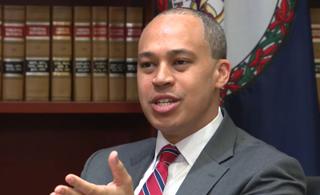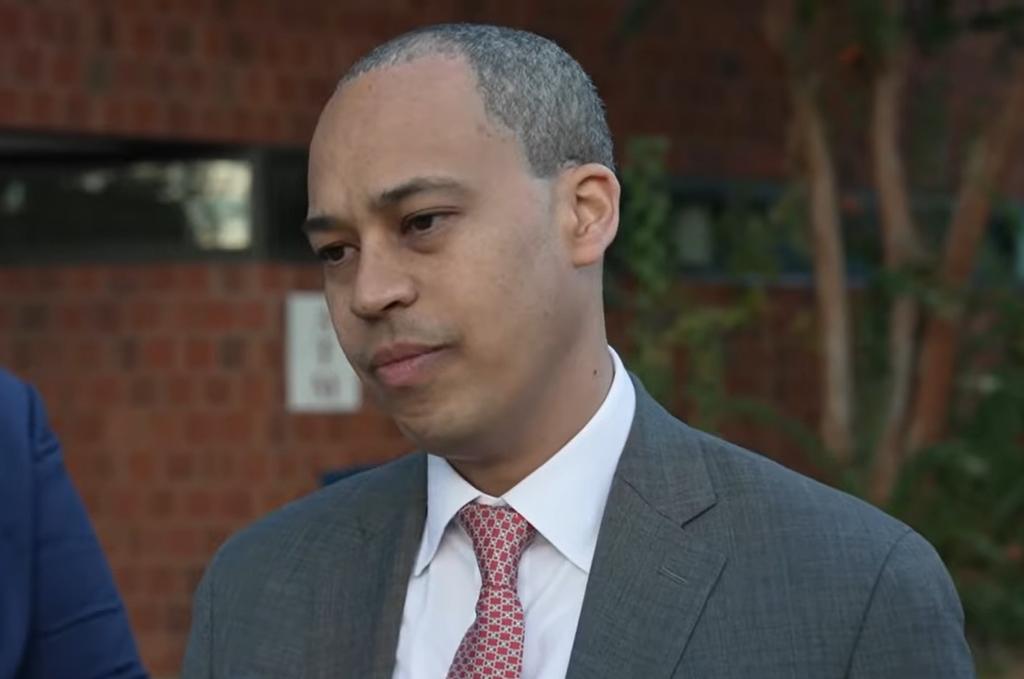
Virginia Attorney General Jay Jones has appealed a circuit court ruling that nullified a gerrymandering referendum, which he argues is essential for the upcoming elections. The court found the ballot language misleading, raising concerns about the integrity of the voting process and the clarity of the amendment's intent.
Explainer Navigating Virginia's Electoral Landscape: Key Issues and Reforms
The core issue revolves around the language used in the ballot initiative, which critics claim misled voters into supporting a measure that could significantly alter the political landscape in Virginia. The proposed amendment aimed to allow the General Assembly to temporarily adopt new congressional districts, shifting the balance of power from six Democrats and five Republicans to ten Democrats and one Republican.
In the spring special election, voters approved the amendment based on the ballot's phrasing, which stated, "Should the Constitution of Virginia be amended to allow the General Assembly to temporarily adopt new congressional districts to restore fairness in the upcoming elections?" However, the Tazewell County circuit court ruled that this language was "flagrantly misleading" and did not accurately describe the amendment as passed by the General Assembly.
Court Ruling and Appeal
The Tazewell County ruling blocked the referendum from being certified, stating that the language used did not provide voters with a clear understanding of what they were supporting. In his appeal to the Virginia Supreme Court, Jones did not address the misleading language directly, instead focusing on the procedural aspects of the ruling. He argued that the courts should not intervene in legislative ballot drafting unless the language fundamentally misrepresents the choice presented to voters.
Republican state Delegate Wren Williams criticized Jones for avoiding the central issue of the ballot language. "If the language were defensible, he would have defended it," Williams said. He emphasized that the selective quoting of the ballot language undermines the credibility of the Attorney General's defense.
Jones referred to the concerns about the language as mere "rhetorical choices," suggesting that reasonable observers might disagree about its framing. However, critics argue that such choices can significantly impact voter understanding and decision-making.
Implications for Future Elections
The implications of this ruling extend beyond the immediate referendum. If the Virginia Supreme Court upholds the lower court's decision, it could set a precedent for how ballot language is scrutinized in future elections. Jones contended that the ruling could prevent the state from updating voter registration records and conducting essential election duties, which he described as a sweeping command that bears no meaningful relationship to the procedural defects claimed by the plaintiffs.
Despite the legal challenges, some observers believe the Virginia Supreme Court may be reluctant to overturn the results of an election, even if the process was deemed illegal. This sentiment reflects a broader concern about the legitimacy of judicial interventions in electoral matters, particularly when they involve the will of the voters.
Jones's defense has faced scrutiny, particularly regarding his failure to directly address the misleading aspects of the ballot language during media interviews. When pressed by CNN, he shifted focus to the outcome of the vote rather than the substance of the language concerns, which has drawn criticism from various quarters.
Political Context
The political landscape in Virginia is further complicated by the fact that two justices on the state Supreme Court, appointed by Republican-majority legislatures, are up for reappointment soon. Their future may depend on the approval of the current Democrat majorities, adding another layer of political tension to the ongoing legal battle.
As this situation unfolds, the stakes remain high for both parties in Virginia. The outcome of the appeal could not only affect the immediate congressional elections but also shape the future of redistricting and electoral integrity in the state. While Jones maintains that the right to vote is sacred, critics argue that the language used in the referendum undermines that very principle by potentially misleading voters about their choices.
The debate over the gerrymandering ballot language highlights the ongoing tensions in Virginia's political landscape, as both parties navigate the complexities of electoral law and voter perception. As the Virginia Supreme Court prepares to hear the appeal, the implications of their decision will resonate throughout the state's political arena for years to come.