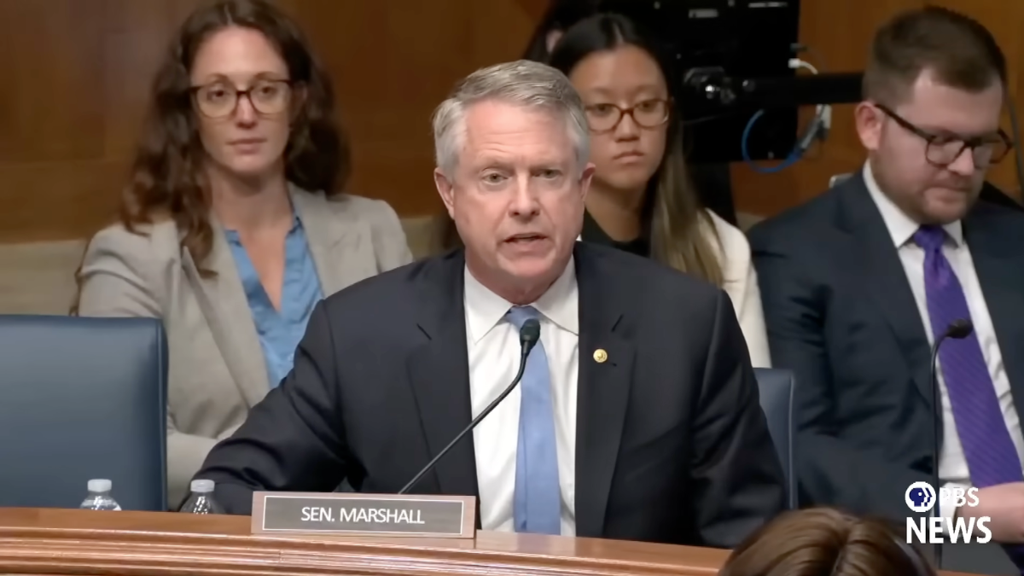
Republican Senator Roger Marshall of Kansas plans to introduce legislation next week that would prohibit all transgender medical procedures for minors. The proposed Safeguarding the Overall Protection of Minors (STOP) Act would ban procedures such as puberty blockers, cross-sex hormones, mastectomies, and genital surgeries for individuals under 18, imposing civil penalties of up to $100,000 for violations by healthcare providers.
Explainer Understanding the Transgender Discourse: Rights, Policies, and Challenges
The legislation aims to address concerns over the long-term effects of gender transition procedures on minors, with proponents arguing it is necessary to protect vulnerable children. Critics, however, contend that such measures could infringe on parental rights and medical autonomy.
Marshall, an obstetrician with over two decades of experience, emphasized the irreversible nature of these procedures. "As an OB-GYN, I know firsthand what these irreversible procedures do to children," he told The Federalist. "These are not medical treatments — they are child abuse. The STOP Act sends a clear message: if you harm a child by performing these procedures, there will be serious consequences. Our children deserve nothing less."
Legislative Details
The STOP Act would not only ban gender transition procedures but also create a private right of action for victims or their guardians to sue in federal court for damages. Additionally, it proposes establishing a "Victims of Gender Transition Procedures Compensation Fund" within the U.S. Treasury, funded by the civil penalties collected from violations.
Supporters of the bill, including activists from various backgrounds, argue that it is a necessary step to protect children from what they describe as harmful medical interventions. Kara Dansky, a radical feminist and former president of Women’s Declaration International USA, stated, "Children have an international human right to be protected from such harmful interventions."
Erin Friday, president of the parents’ advocacy group Our Duty USA, expressed support for the bill as a corrective measure against what she sees as excessive state-level promotion of transgender interventions. "This bill will provide much-needed protection for children in left-leaning states from the sex-rejecting industry being fiendishly promoted by Democrat-controlled state legislatures," she said.
Expert Opinions
Dr. Eithan Haim, a conservative surgeon from Texas, praised the potential impact of the STOP Act, calling it a significant step toward mitigating harm to children. He suggested that additional provisions could enhance the bill, such as granting state Attorneys General the authority to investigate billing practices in gender clinics. "Passage of the STOP Act would be a massive step in the right direction," Haim noted. "Without the ability to detect fraudulent practices, nothing can be done to stop it."
While proponents of the bill are vocal about their support, critics argue that such legislation could undermine the rights of parents and the autonomy of medical professionals. Some medical experts have expressed concerns that banning these procedures could lead to negative mental health outcomes for transgender youth, who may face increased discrimination and stigma.
As the bill is set to be introduced in the coming week, Marshall's office anticipates significant debate surrounding its implications. The legislation reflects a growing trend among some lawmakers to address issues related to transgender healthcare for minors, a topic that has become increasingly contentious in recent years.
Political Context
The STOP Act comes amid a broader national conversation about transgender rights and healthcare access. Several states have enacted or proposed similar legislation, reflecting a divide in public opinion and policy approaches to transgender issues. Supporters of such measures argue they are necessary for child protection, while opponents warn they could lead to harmful consequences for transgender youth.
Marshall's office has not yet responded to requests for further comment on the anticipated reception of the bill or its potential impact on existing state laws regarding transgender healthcare for minors. As discussions unfold, the STOP Act is likely to become a focal point in the ongoing debate over the rights and protections of minors in the context of gender identity and medical care.