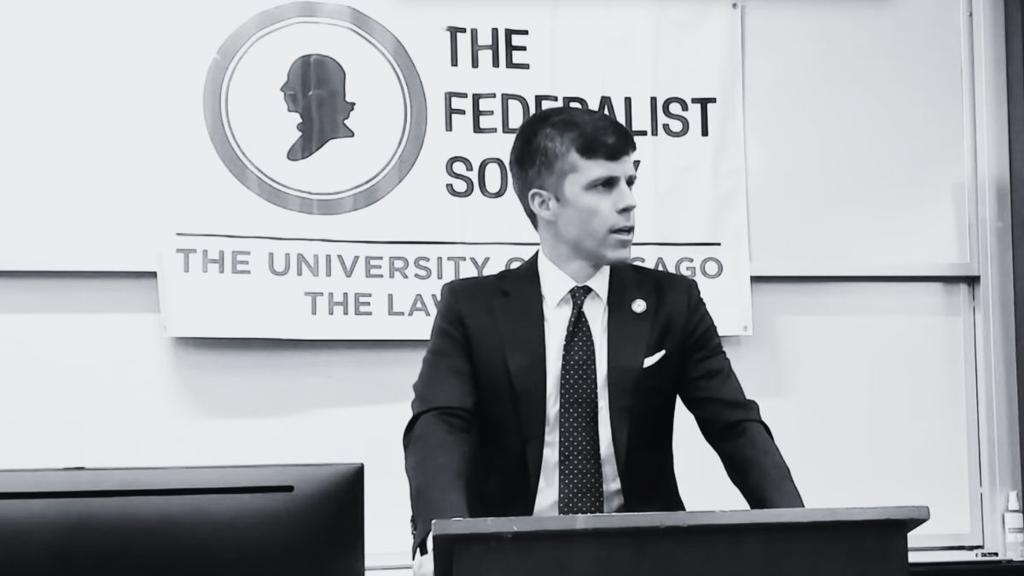
Scott Stewart, the Mississippi State Solicitor General, took a bold stance in defending the state's 15-week abortion limit, actively seeking to overturn the precedents set by Roe v. Wade and Planned Parenthood v. Casey. This decision came despite significant pressure from a group of prominent Supreme Court litigators who warned him against such a move, believing it would be a "devastating mistake."
Explainer The Complex Legal Landscape of Abortion: State Laws, Federal Shifts, and Cultural Battles
The core tension in this case lies in the clash between established legal precedents on abortion and the push from some states to redefine those boundaries. Stewart's decision to challenge these precedents reflects a broader national debate on abortion rights and state authority.
In her new book, "Alito: The Justice Who Reshaped the Supreme Court and Restored the Constitution," Mollie Hemingway details Stewart's journey through this contentious legal landscape. She notes that Stewart felt that merely chipping away at Roe and Casey would be ineffective, stating, "If he were going to ask the Court to do something difficult — and overturning Roe would be very difficult — he would do something difficult as well."
Legal Strategy and Preparation
Stewart's approach involved crafting a legal argument that directly confronted the established rulings. He described both Roe and Casey as "egregiously wrong," asserting that the conclusion that abortion is a constitutional right lacks any basis in the Constitution's text, structure, history, or tradition. This direct challenge was a significant departure from the more cautious strategies suggested by his peers.
Despite repeated advice to consider a more moderate approach, Stewart remained resolute. He meticulously prepared for his oral arguments, going through numerous drafts to refine his message. Hemingway highlighted that Stewart sensed dissatisfaction among the justices with how abortion law had been previously handled, which influenced his decision to take a more assertive stance.
The Court's Response
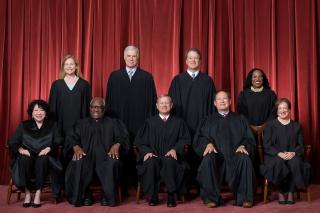
During the oral arguments, Chief Justice John Roberts appeared to favor a gradual approach to addressing Roe, indicating a preference for allowing the Mississippi law to stand without fully overturning the previous rulings. However, Stewart's strategy aimed to present a clear and uncompromising argument to the justices, which he believed was necessary for a meaningful change in the law.
Stewart's decision to ignore the advice of elite litigators and advocate for a complete reexamination of abortion rights ultimately proved successful. The Supreme Court ruled that the Constitution does not confer a right to abortion, effectively overturning Roe and Casey. This landmark decision has significant implications for abortion laws across the United States, as it allows states greater latitude to regulate the procedure.
Reactions and Implications
The ruling has sparked varied reactions across the political spectrum. Supporters of the decision argue that it restores states' rights to legislate on abortion, while critics contend that it undermines women's rights and access to healthcare. Some legal experts have noted that the decision could lead to a patchwork of abortion laws, varying significantly from state to state.
As the debate continues, it remains to be seen how states will respond to the ruling and what legal challenges may arise in the future. Stewart's bold approach in the Dobbs case has set a precedent that could influence future legal strategies surrounding contentious issues.
While Stewart's actions have been praised by many in the pro-life movement, some legal analysts caution that the ruling may lead to increased polarization on the issue of abortion. Critics of the decision argue that it could have far-reaching consequences for women's health and rights, a concern that has not been fully addressed by supporters of the ruling.