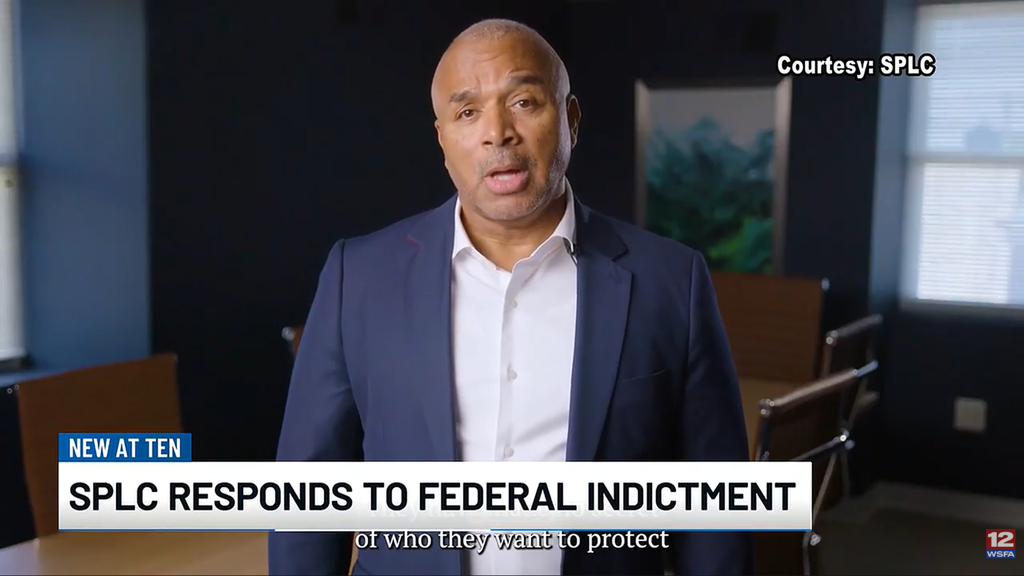
A government watchdog has filed a complaint with the IRS seeking an investigation into the Southern Poverty Law Center's (SPLC) tax-exempt status, following the organization's recent indictment on multiple fraud charges. The Center to Advance Security in America (CASA) submitted the updated complaint on Thursday, just days after the SPLC was indicted for allegedly making fraudulent payments to extremist groups, including the Ku Klux Klan (KKK).
The complaint raises significant questions about the SPLC's financial practices and its classification as a charitable organization. CASA argues that the allegations of fraud warrant immediate scrutiny of the SPLC's tax-exempt status, which could have implications for its funding and operations.
The SPLC, known for its advocacy against hate groups, faces 11 counts of wire fraud, false statements to a federally insured bank, and conspiracy to commit concealment money laundering, according to the Department of Justice (DOJ). The indictment alleges that from 2014 to 2023, the SPLC paid over $3 million in donor money to individuals affiliated with racist organizations as part of a covert informant network.
Allegations of Misuse of Funds
CASA's complaint highlights specific allegations from the indictment, including claims that the SPLC paid more than $270,000 to a source involved in organizing the 2017 "Unite the Right" rally in Charlottesville, Virginia. This source reportedly made racist posts under the SPLC's supervision and helped coordinate transportation for the event.
"It is hardly in the public interest to stoke anger by making it appear as if hate groups are more prominent than they actually are," CASA Director James Fitzpatrick stated. He emphasized that the SPLC's alleged activities could justify an investigation and potential revocation of its charitable status.
CASA's filing argues that the SPLC's actions contradict its mission to combat hate and extremism. The complaint asserts that the organization misled donors by claiming to fight hate groups while allegedly funding them.
Potential Consequences for SPLC
If the IRS determines that the SPLC's activities warrant revocation of its tax-exempt status, the organization would lose the tax benefits typically afforded to non-political entities under Section 501(c)(3) of the Internal Revenue Code. While such a move would not shut down the SPLC, it would significantly impact its financial support.
The complaint also suggests that an investigation could lead to a determination of when the revocation should be backdated, preventing the SPLC from benefiting from its alleged partisan and illegal activities.
Despite the serious nature of the allegations, the SPLC has not publicly responded to the latest complaint or the indictment. Critics of the SPLC have long accused the organization of politicizing its mission and mislabeling conservative groups as hate organizations.
Supporters of the SPLC argue that the organization plays a crucial role in monitoring hate groups and promoting civil rights. They contend that the SPLC's work is essential in combating racism and extremism in the United States.
As the situation unfolds, the IRS has not commented on whether it will pursue an investigation into the SPLC's tax-exempt status. The outcome could have significant implications for the organization and its future operations.
The SPLC has faced scrutiny in the past for its classification of various groups as hate organizations, often drawing criticism from conservative circles. The current allegations, however, mark a new chapter in the ongoing debate over the SPLC's role and credibility in American civil rights advocacy.