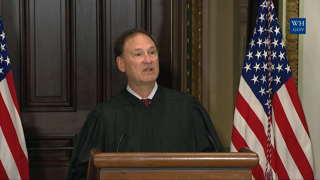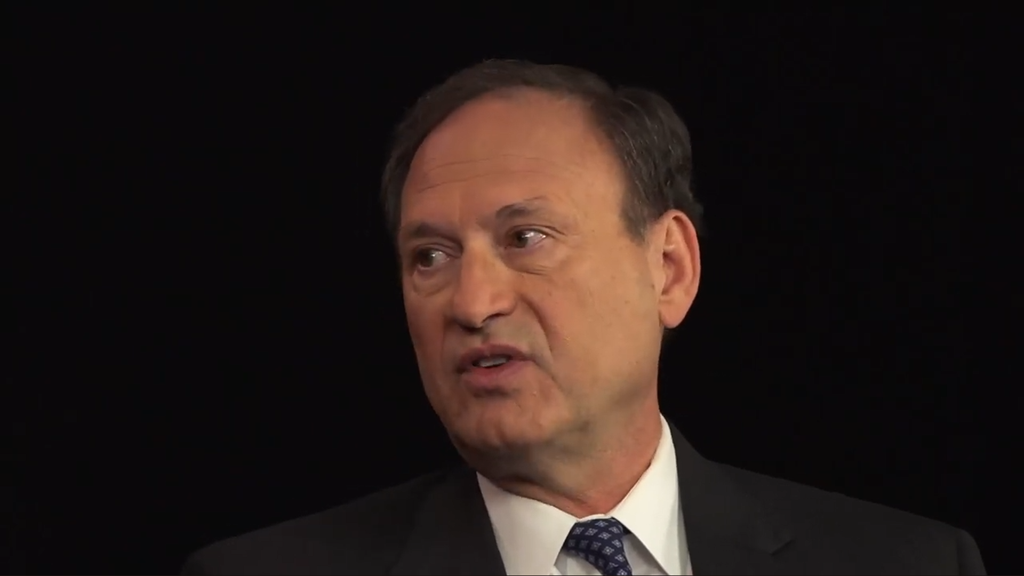
Associate Justice Samuel Alito played a pivotal role in crafting the Supreme Court's majority opinion that ultimately overturned Roe v. Wade, according to a new book by Mollie Hemingway. The book, titled Alito: The Justice Who Reshaped the Supreme Court and Restored the Constitution, provides detailed insights into how Alito managed to unify justices who held differing legal interpretations to achieve a narrow 5-4 decision in Dobbs v. Jackson Women’s Health Organization (2022).
Explainer The Complex Legal Landscape of Abortion: State Laws, Federal Shifts, and Cultural Battles
Justice Alito's Role in Overturning Roe Detailed in New Book
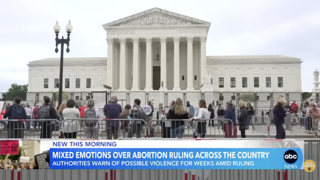
The stakes surrounding the decision to overturn Roe and its successor, Planned Parenthood of Southeastern Pennsylvania v. Casey (1992), are significant and have far-reaching implications for abortion rights in the United States. Critics of the ruling argue that it undermines established legal precedents that have been in place for decades, while supporters assert that it restores states' rights to regulate abortion without federal interference.
Background and Reactions
Hemingway details how Alito, who was appointed by former President George W. Bush, navigated the complexities of the court's ideological landscape. Each justice in the majority identifies as an originalist but approaches legal interpretation in distinct ways. Alito's task was to harmonize these varying perspectives into a cohesive and persuasive majority opinion that could withstand scrutiny.
In the days following oral arguments in Dobbs, the justices convened to discuss their views and voting intentions. The final vote margin was narrow, with Alito joined by Justices Clarence Thomas, Neil Gorsuch, Brett Kavanaugh, and Amy Coney Barrett. Chief Justice John Roberts, who opposed overturning Roe, did not assign the opinion; instead, Thomas, as the most senior justice in the majority, chose Alito for this significant task.
Hemingway notes that Alito was seen as the best candidate for this challenging assignment due to his ability to maintain a majority opinion while incorporating diverse arguments from his fellow justices. She writes, "Alito is known for being generous, humble, and ecumenical in his opinion writing. Over his decades on the Court, he has learned to be bold as prudence allows."
One of the critical balancing acts Alito faced was addressing the contentious issue of substantive due process. Hemingway explains that Alito had to reconcile Thomas's view that the court erred in recognizing rights under the 14th Amendment's due process clause with Kavanaugh's emphasis on the importance of precedent in the context of Dobbs. This balancing act was essential to ensure that the opinion could garner the necessary support from the majority.
After weeks of deliberation and revisions, Alito produced a draft that impressed his fellow justices. Hemingway states, "It was obvious to the other justices that the draft had been circulated before the formal distribution. They were not prepared for how powerful it was and were shocked by how devastating the opinion was to the Roe and Casey regimes." This reaction underscores the impact of Alito's work and the significance of the decision.
The book sheds light on the internal dynamics of the Supreme Court during a landmark decision that has reshaped the legal landscape regarding abortion rights in the United States. Supporters of the ruling argue that it reflects a return to constitutional principles and a more originalist interpretation of the Constitution, while opponents contend that it jeopardizes women's rights and access to healthcare services.
As the debate continues, responses from those who support Roe and Casey have been limited, with many critics expressing concern over the implications of the ruling for women's health and reproductive rights. The book's insights into Alito's approach may provide a clearer understanding of how the court's majority was formed and the legal reasoning behind the decision to overturn decades of precedent.
Hemingway's exploration of Alito's role highlights the complexities of judicial decision-making in a divided court. As the nation grapples with the aftermath of the Dobbs ruling, the discussions surrounding judicial philosophy and the interpretation of constitutional rights remain at the forefront of public discourse, influencing both legal and political landscapes across the country.