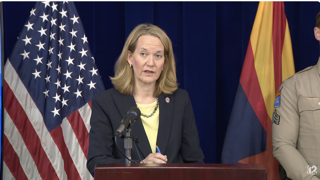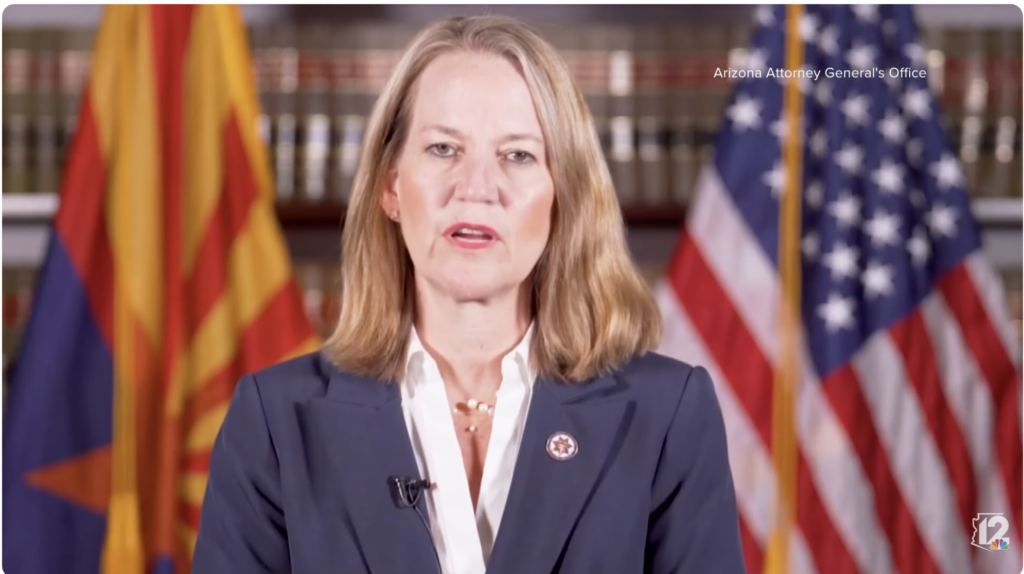
Arizona Attorney General Kris Mayes has announced her intention to return to a grand jury to seek a new indictment against Republican officials involved in the controversial events surrounding the 2020 election. This decision comes in the wake of a ruling from the Arizona Supreme Court, which denied her office's appeal to revive an earlier indictment that had been dismissed due to procedural issues. The legal landscape surrounding this case has been complex and fraught with political implications.
Explainer Election Integrity: Protecting Voter Rights in Modern America
The core issue at hand revolves around allegations that these officials acted as unauthorized electors in an attempt to overturn President Joe Biden's victory in Arizona. Critics of the prosecution argue that the ongoing legal actions are politically motivated, suggesting that they serve to distract from more pressing issues facing the state, such as crime and drug trafficking. This sentiment has been echoed by various political figures and commentators.
In May 2024, a grand jury indicted 18 individuals, including notable figures such as former Trump chief of staff Mark Meadows and constitutional scholar John Eastman. Trump himself was named as an unindicted co-conspirator in this case. Mayes' office has stated that they will not provide further comments on the case at this time, as indicated by spokesman Richie Taylor.
Legal Challenges and Allegations
The legal battle surrounding this case has been marked by accusations of misconduct on both sides. Mayes has faced criticism for allegedly withholding communications with the States United Democracy Center, a group that reportedly advised her office on the indictment process. A state appeals court ruled that her office had illegally withheld these documents, leading to further scrutiny of her actions and the motivations behind them.
Judicial Watch, a conservative watchdog group, has been particularly vocal in its criticism of Mayes, arguing that her actions represent a misuse of power. Tom Fitton, president of Judicial Watch, stated, "Judicial Watch is excited that the court has slapped back the unlawful secrecy about anti-Trump lawfare abuse by Arizona’s AG Kris Mayes." The organization is advocating for full disclosure regarding the case, which they describe as an attempt to punish Trump supporters and undermine their political influence.
In defense of her actions, Mayes has stated that the case is fundamentally about preserving democracy and upholding the rule of law. However, Arizona GOP chairwoman Gina Swoboda has criticized the ongoing prosecution, suggesting that it wastes taxpayer resources and diverts attention from more immediate concerns. She remarked, "This obsession is not justice — it’s politics," highlighting the divide in perspectives on the case.
Broader Context of Election-Related Prosecutions
The case in Arizona is part of a broader trend of legal challenges related to the 2020 election, with similar cases emerging in other states across the country. In states such as Georgia, New Mexico, and Pennsylvania, alternate elector cases have faced significant setbacks, with some being dismissed outright. In Michigan, a district court judge ruled against felony charges brought against 15 Republicans, stating they were exercising their constitutional rights.
Despite these challenges, Mayes has opted to pursue her case anew, indicating her determination to continue the prosecution. Following the court's decision to deny her appeal, Eastman took to social media to express his views, stating, "Good news out of Arizona today. The AZ S.Ct. denied AG Kris Mayes' appeal of the decision to throw out the original grand jury indictment in the Trump electors case because of her biased presentation of the case."
As the legal proceedings unfold, the implications for both the individuals involved and the political landscape in Arizona remain significant. Supporters of Mayes argue that accountability is necessary for those who attempted to undermine the electoral process, while critics maintain that the focus should shift to more immediate concerns facing the state. This ongoing legal saga reflects the contentious nature of the political climate in Arizona and the broader national discourse surrounding the 2020 election and its aftermath.
As Mayes prepares to reconvene a grand jury, the stakes for all parties involved continue to rise. The potential ramifications for future elections and political accountability are substantial, and the outcome of this case may influence not only the individuals directly involved but also the broader political landscape in Arizona and beyond.