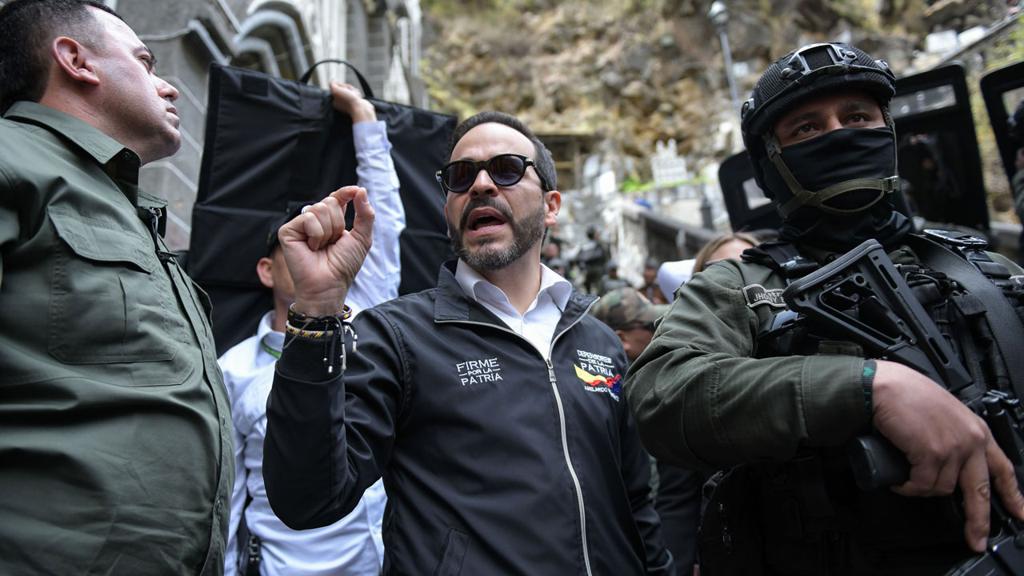
Colombia’s incoming foreign minister, Omar Bula, has outlined a foreign policy agenda focused on strengthening the country’s alliance with the United States and countering the expanding influence of China in Latin America. Bula shared these priorities during a speech at the Heritage Foundation on Thursday, signaling a significant shift in Colombia’s diplomatic approach as the new administration prepares to take office on August 7, 2026.
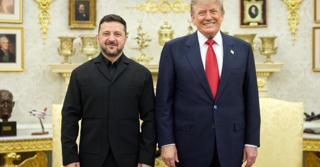
The new government, which has received backing from former U.S. President Donald Trump, is positioning itself as a conservative alternative to the outgoing administration. Bula emphasized a return to Western-aligned policies and a commitment to countering Beijing’s growing economic and political presence in the region. This approach marks a clear departure from the policies of outgoing President Gustavo Petro, whose administration had fostered closer ties with leftist governments and participated in China’s Belt and Road Initiative.
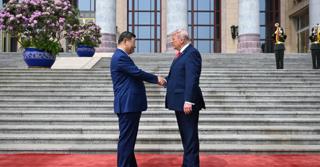
China has surpassed the United States as South America’s top trading partner in recent years, expanding its investments in infrastructure, technology, and energy across Latin America. Reports from organizations such as the Council on Foreign Relations, Brookings, and GIS Reports highlight the scale of China’s involvement. For example, GIS Reports estimate that Chinese infrastructure projects in the region are valued at $286 billion, and bilateral trade between China and South America reached a record $518 billion in 2024.
New Administration’s Priorities
Bula stated that the incoming administration’s main focus will be on reinforcing Colombia’s role within the Western Hemisphere. He outlined priorities such as enhancing national security, engaging with segments of the population that have felt overlooked, and upholding Christian-rooted principles and cultural values. According to Bula, these values are central not only to Colombia but also to the broader region.
“All of the foreign ministers whom I’ve spoken to in the last weeks have had a sigh of hope. These last four years, Colombia wasn’t very helpful,” Bula said, reflecting on the country’s recent foreign policy direction.
Among the administration’s early moves, Bula highlighted the decision to restore diplomatic relations with Israel, which had been severed under President Petro. He also mentioned plans to develop a comprehensive strategy to combat narcoterrorism and curb Chinese influence in Colombia and the wider region. Bula said the government intends to align more closely with the United States, particularly through trade agreements, and to provide American consumers with alternatives to Chinese-made products.
Pushback Against Chinese Influence
During his remarks, Bula was joined by Heritage Foundation President Kevin Roberts. Together, they described China’s growing role in Latin America as an imminent challenge. Bula argued that the Chinese Communist Party has used its economic power, political engagement, and media influence to support leftist regimes in countries such as Cuba, Venezuela, Brazil, Chile, Uruguay, Nicaragua, Bolivia, and the outgoing Petro administration in Colombia.
China’s investments in Latin America have grown rapidly in recent years. In addition to infrastructure, China has expanded its presence in technology, telecommunications, and the extraction of critical minerals. Bula suggested that Colombia could play a key role in reducing the region’s economic dependence on China, particularly by supplying rare earth minerals and other essential products.
“We can replace China in terms of its impact on the economy in the region in the coming years. That’s one of our priorities,” Bula said, indicating Colombia’s ambition to become a more significant economic partner for its neighbors and for the United States.
U.S.-Colombia Relations and Regional Context
The incoming administration’s foreign policy marks a notable shift from the previous government, which had sought closer relations with China and other left-leaning governments in the region. The Council on Foreign Relations notes that the United States has responded to China’s rise in Latin America with increased diplomatic and economic engagement. Under Trump’s renewed leadership, the U.S. is expected to pursue a more assertive strategy in the region, working with allies like Colombia to counter Beijing’s influence.
Bula and his supporters frame the new policy direction as a defense of Western civilization and a step toward greater regional security. They argue that closer ties with the United States will benefit Colombia and its neighbors by promoting stability, economic growth, and shared values. However, advocates for deeper engagement with China contend that Beijing’s investments have contributed to economic development and improved infrastructure throughout Latin America.
Officials from the outgoing administration have not publicly responded to Bula’s statements. The full scope of the new government’s foreign policy will become clearer after the official transfer of power on August 7, when Bula and the president assume their roles. Observers in Colombia and abroad will be watching closely to see how the country navigates its relationships with both Washington and Beijing in the coming years.