President Donald Trump is implementing a pragmatic approach in the Western Hemisphere, addressing geopolitical power vacuums left by the Biden administration. Critics argue that Biden's policies have allowed regions like Central America and the Caribbean to become staging grounds for hostile actors and criminal organizations targeting the U.S. homeland.
Trump's renewed engagement with governments in Mexico, Colombia, and Venezuela is seen as a necessary shift after years of perceived U.S. neglect that empowered illegal migration networks and organized crime. However, experts caution against a military intervention in Venezuela, suggesting that such actions are not essential to Trump's revitalization of the Monroe Doctrine.
The administration is advised to seek congressional authorization for military strikes on drug-smuggling boats, as controversies surrounding these actions could detract from the need to counter Biden's security policies in the region. Long-term strategies should focus on a 'good neighbor policy' that emphasizes security, peace, and economic development, though current hostile governments may complicate these efforts.
Biden's approach has been criticized for prioritizing ideological goals over practical solutions. His administration's focus on addressing 'root causes' of regional injustices and emphasizing climate change has been seen as ineffective. Critics argue that financial assistance aimed at promoting U.S. priorities has not yielded the desired results, allowing adversaries like China to gain influence in the region.
Biden's 2022 Los Angeles Declaration on Migration, which urged countries to open their borders to illegal migration, has been particularly controversial. This policy has been blamed for exacerbating issues related to organized crime and human trafficking, putting migrants at risk and enriching criminal cartels.
The Biden administration's diplomatic neglect is exemplified by its handling of relations with Mexico, where critics argue that Biden failed to leverage U.S. influence to protect national interests. The lack of serious demands on former Mexican President Andres Manuel Lopez Obrador has led to a deterioration of bilateral law enforcement cooperation.
In contrast, under Trump, Secretary of State Marco Rubio and Deputy Secretary Christopher Landau are working to establish a more effective diplomatic strategy in the Americas. Rubio's initial international engagements have focused on Central America, signaling a return to prioritizing U.S. interests in the region. The administration aims to strengthen law enforcement cooperation and address corruption within organizations like the Organization of American States (OAS).
Trump's approach to the U.S.-Mexico relationship emphasizes the connection between trade and security, utilizing tariffs as a diplomatic tool. This marks a shift from previous administrations that may have overlooked the importance of border security in favor of broader diplomatic engagements elsewhere.
Biden's limited interest in Latin America has been evident, with few trips to the region during his presidency. Critics argue that his administration's reliance on officials with leftist sympathies has resulted in a diplomatic strategy that appears weak in the face of regional challenges. The appointment of Chris Dodd as a special advisor for the Americas has raised concerns due to his history of engaging with leftist leaders.
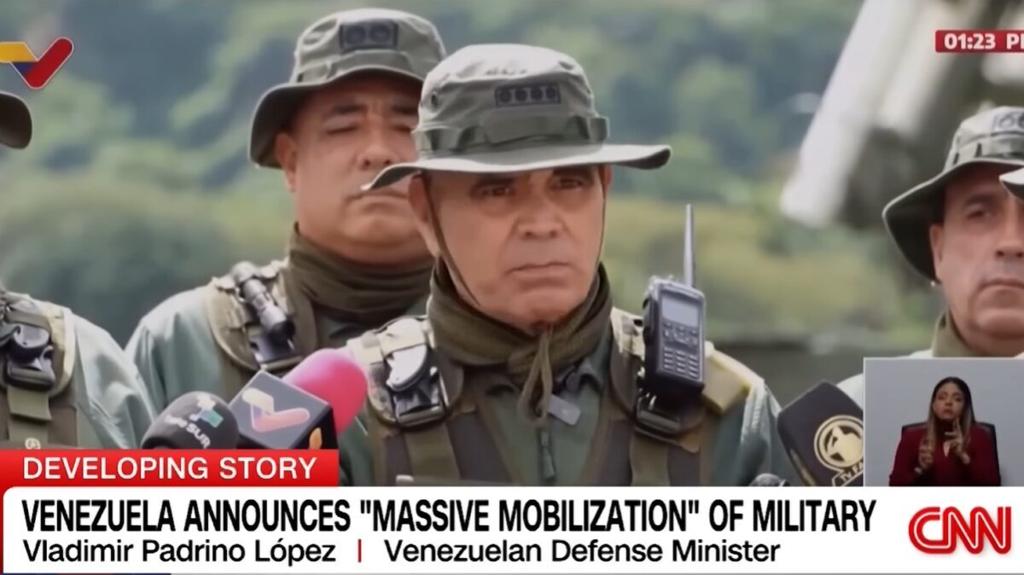
Overall, the Biden administration's approach to Venezuela, particularly its reliance on regional partners to negotiate with the Maduro regime, has drawn criticism for lacking effectiveness. As the political landscape in Venezuela continues to evolve, the U.S. faces significant challenges in navigating its relationships in the region while addressing security concerns.