The Trump administration’s proposed overhaul of federal grant rules could significantly reshape how billions of dollars in federal funds are allocated, raising concerns among both critics and some supporters that it may pave the way for a resurgence of congressional earmarks. The Office of Management and Budget (OMB) recently closed the public comment period for its proposal, and the rule is now under review for possible finalization.
At the heart of the debate is whether shifting the authority for approving federal grants from career civil servants to political appointees will enhance accountability or instead open the door to more targeted spending, often directed by lawmakers to benefit specific projects or constituents.
The OMB’s draft rule, published earlier this year, would require that all federal grant approvals receive sign-off from political appointees, rather than career staff. Additionally, the rule would mandate that grant recipients acknowledge the administration’s right to terminate grants without warning if policy priorities change. According to the rule summary, these changes are intended to "improve transparency, accountability, and oversight for federal awards across the federal government."
Political Oversight and Grant Termination
The proposed changes reflect a broader trend in recent Supreme Court decisions that have sought to return decision-making authority from unelected officials to the executive and legislative branches. The rule’s provision allowing for grant termination without notice is a direct response to lawsuits filed after the Trump administration ended certain grants upon taking office last year. This provision would give the administration more flexibility to align federal spending with its policy priorities, but it also raises questions about the stability and predictability of federal funding for recipients.
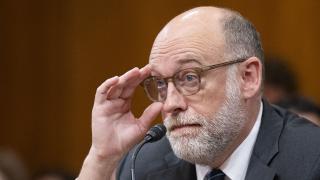
OMB Director Russell Vought, testifying before the House Appropriations Committee in June, said the earmarking process in Congress would not be affected by the rule. He stated, “sometimes you have an earmark to a specific person or a specific organization, and that would probably be at the top of the list that needs to be funded.”
"sometimes you have an earmark to a specific person or a specific organization, and that would probably be at the top of the list that needs to be funded."
— Russell Vought, OMB Director
Supporters of the rule argue that requiring politically appointed officials to approve grants ensures that spending decisions are made by individuals who are ultimately accountable to voters. They contend that if Congress directs funds to controversial projects, lawmakers can be held responsible by constituents in future elections. This, they argue, could increase transparency and public trust in how federal dollars are spent.
Earmarks and Spending Concerns
Critics, however, warn that the rule could lead to an increase in earmarks—congressionally directed spending for specific projects—which have historically been linked to higher federal spending and, at times, allegations of corruption. Some conservatives have described earmarks as a "gateway drug" to larger budgets, arguing that lawmakers may support costly bills in exchange for funding their own projects. The fear is that political appointees, under pressure from Congress, could prioritize earmarked projects over those selected through competitive or merit-based processes.
The Trump administration has also faced criticism from left-leaning groups, who argue that increased political oversight of grants could undermine scientific research and nonpartisan decision-making. These groups contend that career staff are better positioned to evaluate grant applications based on merit and expertise, rather than political considerations. However, the administration maintains that the changes will make the process more transparent and accountable, ensuring that federal spending aligns with the elected leadership’s policy goals.
Annual federal deficits remain near $2 trillion, and few entitlement reform proposals were included in this year’s OMB budget. While the proposed rule is expected to clarify who is responsible for federal spending decisions, it does not address broader concerns about overall government expenditures or the long-term fiscal outlook.
Congressional Response and Next Steps
The House Appropriations Committee held an oversight hearing on the OMB proposal in late June, where lawmakers questioned Vought about the potential impact on earmarks and grant transparency. Supporters of the rule argue that increased political accountability is a necessary step to ensure that federal funds are spent in line with the administration’s priorities. Opponents, however, caution that the rule could entrench pork-barrel spending and reduce the objectivity of the grant-making process.
If finalized, the rule would take effect under the current administration, but future administrations could modify or repeal it. The OMB has not indicated a timeline for final action on the proposal. In the meantime, congressional leaders and advocacy groups are expected to continue weighing in as the administration reviews public comments and considers the next steps.
The outcome of this rulemaking process could have lasting implications for how federal grants are awarded and how much influence Congress and the executive branch wield over the distribution of federal funds. As the debate continues, both supporters and critics are watching closely to see whether the proposed changes will ultimately lead to more earmarks and what that could mean for federal spending and accountability.