A report released by the Office of the Comptroller of the Currency (OCC) last week found that the Southern Poverty Law Center (SPLC) played a significant role in prompting banks and financial institutions to deny services to conservative organizations. The OCC, part of the Treasury Department, detailed how reputational risk policies led to the exclusion of groups labeled as hate organizations by the SPLC, impacting their access to credit cards, loans, and other financial services.
Explainer Understanding Indictments: The Bedrock of America’s Criminal Justice System
The findings highlight ongoing concerns about whether financial institutions are applying standards fairly or discriminating based on political or religious beliefs.
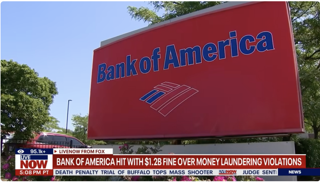
The OCC’s report, published on October 14, examined the practices of large banks and financial applications, documenting how many conservative groups were debanked after being designated as hate groups by the SPLC. The report concluded that banks often lacked clear, quantifiable standards for assessing reputational risk, resulting in the exclusion of mainstream right-leaning organizations. The OCC also noted that entire industries were affected by these practices, with some states responding by passing laws to prevent debanking based on ideology.
The SPLC, a prominent anti-racism advocacy group, has faced criticism from conservatives for its approach to labeling right-leaning organizations and individuals as extremists. The group has also drawn scrutiny from some on the left, including journalists who have questioned its leadership and methods. The Department of Justice has charged the SPLC with allegedly defrauding donors by paying members of extremist groups as informants and recruiters. The SPLC has denied any wrongdoing, stating, “The charges against the SPLC are provably wrong; they are based on inaccurate facts and a misapplication of law. Our informant program was successful in accomplishing its purposes: Threats and attacks were prevented, criminal activity was stopped, and information was gathered to dismantle the efforts of hate and extremist groups.”
OCC’s Findings on Bank Practices
According to the OCC report, banks did not consistently use objective criteria to determine reputational risk, often relying on external lists such as those published by the SPLC. Comptroller Jonathan Gould said, “Today’s report provides irrefutable evidence that the nation’s largest banks have denied, debanked and discriminated against customers and lawful businesses.” He emphasized that fair access to financial services is a mandate, not just a principle.
The report documented cases where customers’ credit cards and loans were canceled due to their political or religious affiliations. The OCC found that these actions disproportionately affected right-leaning groups and that the lack of transparent standards contributed to the problem.
Reactions and Calls for Accountability
Free speech advocates welcomed the OCC’s findings. Matt Sharp of Alliance Defending Freedom called the Trump administration’s efforts to address debanking “a huge win for every single American.” He argued that accountability for financial institutions is the next step to ensure such practices do not recur.
“They will never worry about their credit card or loan being canceled because of their religious or political beliefs. I think that's going to be the huge next step we need to take in terms of accountability.”
— Matt Sharp, Alliance Defending Freedom
Sharp also praised state-level legislation aimed at preventing debanking and holding both banks and organizations like the SPLC accountable for what he described as “ideological warfare.”
SPLC’s Response and Broader Context
The SPLC has rejected the Justice Department’s allegations and defended its informant program as effective in countering extremist threats. The organization maintains that the charges are unfounded and that its work has contributed to public safety.
The OCC’s report comes amid broader debates over the role of advocacy groups in shaping financial sector policies and the responsibilities of banks to provide equal access. While critics argue that the SPLC’s designations have led to unfair targeting of conservative groups, the SPLC and its supporters say their efforts are aimed at combating hate and extremism. The OCC’s findings are expected to fuel continued scrutiny of both bank practices and the influence of external advocacy organizations.