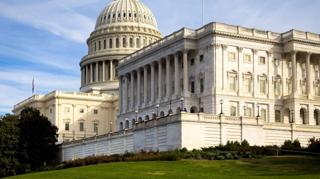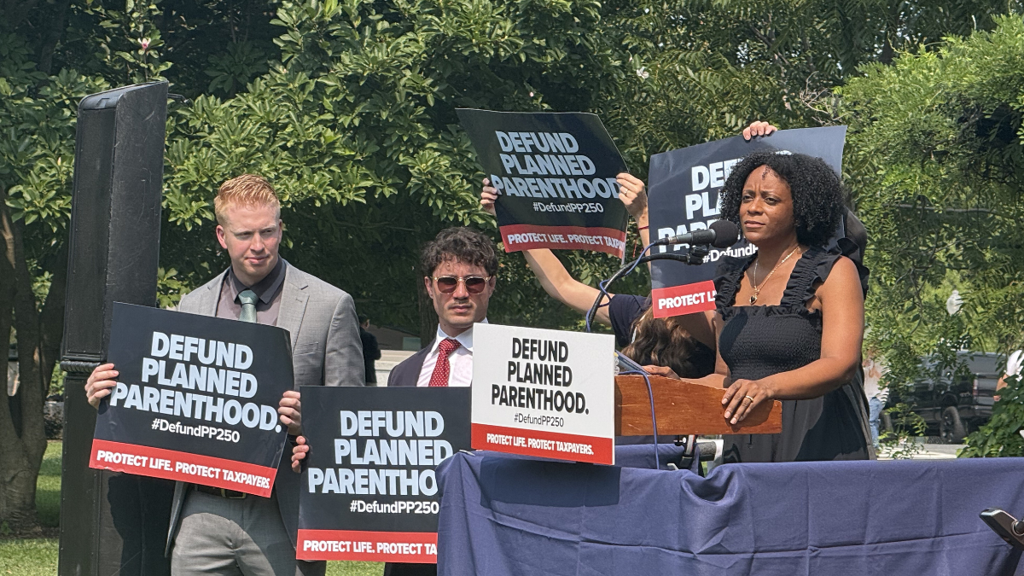
Federal funding to Planned Parenthood has resumed following a one-year pause, prompting protests from pro-life organizations and several Republican lawmakers outside the U.S. Capitol. The demonstration, organized by Live Action’s “Defund Planned Parenthood Coalition,” included speeches from members of Congress and leaders of pro-life groups, who criticized the return of taxpayer dollars to the nation’s largest abortion provider.
Explainer The Complex Legal Landscape of Abortion Laws After Dobbs
The renewed funding has reignited a longstanding debate over the use of federal money for abortion services. Pro-life advocates argue that the temporary funding cut did not go far enough and are calling for permanent restrictions on taxpayer dollars going to organizations that provide abortions. They contend that federal support for Planned Parenthood, even if not directly funding abortion procedures, indirectly enables the organization to continue providing those services.
Last year, the Republican-led Congress passed the “One Big Beautiful Bill Act,” which halted federal Medicaid funds for Planned Parenthood and other abortion providers for one year. The bill originally sought a 10-year ban, but the restriction was shortened after a ruling by the Senate Parliamentarian, according to Time. The Supreme Court also upheld states’ authority to block Medicaid funds for Planned Parenthood, further shaping the national landscape for abortion funding and access.
Lawmakers and Pro-Life Leaders Speak
At the Capitol protest, Rep. Mark Harris (R-N.C.) called the one-year funding pause "one of the most significant pro-life victories Congress has delivered since the Supreme Court overturned Roe v. Wade," but said it "did not go far enough." Harris emphasized that the fight to end taxpayer funding for abortion providers must continue, stating, "Protecting life should never have an expiration date."
Sen. Josh Hawley (R-Mo.) echoed these sentiments, declaring, "There is no excuse, none, for Planned Parenthood to be receiving taxpayer money to be carrying out the mutilation of our children and the murder of the innocent unborn." Other lawmakers present included Sen. Cindy Hyde-Smith (R-Miss.), Rep. Michelle Fischbach (R-Minn.), and Rep. Bob Onder (R-Mo.), all of whom voiced support for ending taxpayer-funded abortion and redirecting resources to health centers that do not perform abortions.
John Mize, CEO of Americans United for Life, urged Congress to "redirect taxpayer dollars to health centers that provide comprehensive care without performing abortions." He argued that community health centers and other providers could meet the needs of women and families without offering abortion services.
Planned Parenthood’s Funding and Services
According to Planned Parenthood’s 2024-2025 annual report, the organization received $2.143 billion in revenue, with 39 percent coming from government health services reimbursements and grants. Over the past six fiscal years, Planned Parenthood’s total revenue has increased by more than $500 million, reflecting both expanded services and increased demand.
A Charlotte Lozier Institute investigation found that as of June 2026, Planned Parenthood operated nearly 600 locations nationwide. The organization provided a record 434,450 abortions in the past year—an increase of over 8 percent from the previous year—and more than 2.2 million contraceptive services. The report also noted that Planned Parenthood has expanded its offerings of transgender-related services, with more affiliates now providing sex change hormones and procedures than abortion services. This expansion has drawn additional criticism from pro-life groups, who argue that federal funding should not support organizations involved in such procedures.
Supporters of Planned Parenthood argue that the organization offers a wide range of essential health services, including cancer screenings, STD testing and treatment, and family planning. They maintain that federal funds are not used for abortion procedures due to longstanding restrictions, but pro-life advocates remain skeptical, citing the fungibility of money within large organizations.
Abortion Pill Concerns and Personal Testimonies
Speakers at the event raised concerns about the increased availability of the abortion pill mifepristone, especially through mail-order. Christina Bennett, who emceed the event for Live Action, argued that most women are unaware of the potential risks associated with the pill. The FDA’s medication guide for mifepristone states that "about 2 to 7 out of 100 women will need a surgical procedure because the pregnancy did not completely pass from the uterus or to stop bleeding."
Shanyce Thomas, a speaker at the protest, described suffering severe complications after taking the abortion pill at age 19, resulting in a partial hysterectomy. She said, "For me, the abortion pill nearly cost me my life and the consequences will stay with me forever." Such personal testimonies were highlighted by organizers to underscore the risks they associate with abortion pills and to advocate for stricter regulations.
Pro-life groups have expressed particular concern about the ease of access to abortion pills through telemedicine and mail-order services, arguing that this trend could lead to more women experiencing complications without adequate medical supervision. They have called for increased oversight and restrictions on the distribution of abortion medications.
Planned Parenthood’s Political Spending
Shortly after federal funding resumed, Planned Parenthood announced plans to spend $47 million on the upcoming November midterm elections, aiming to unseat Republicans who voted to cut its funding. The "We Decide" campaign, run by Planned Parenthood Votes, will focus on battleground House races in states including Arizona, California, Colorado, Iowa, Michigan, New York, Pennsylvania, and Wisconsin, as reported by The Hill.
The organization’s political action committee has stated its intention to defend access to reproductive health services through electoral efforts. Supporters of Planned Parenthood have not issued a public response to the protest or the renewed criticism from pro-life groups, but the group’s electoral spending signals its commitment to influencing policy outcomes and protecting its funding streams.
The debate over federal funding for Planned Parenthood is expected to remain a contentious issue in Congress and on the campaign trail, with both sides mobilizing supporters and resources ahead of the elections. Pro-life organizations have pledged to continue their advocacy for permanent restrictions, while Planned Parenthood and its allies are preparing to defend access to their services through both legal and political channels.