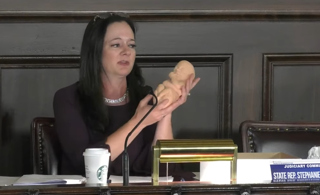
The Pennsylvania House Judiciary Committee is set to vote on a package of six bills that could significantly alter the state's abortion laws, allowing for public funding of abortions up to birth. Currently, Pennsylvania prohibits abortions after 24 weeks, except in cases where the mother's health is at serious risk. The primary legislation, House Bill 1957, seeks to amend the Pennsylvania Constitution to establish abortion as a constitutional right, which would require voter approval on a statewide ballot.
Explainer The Complex Legal Landscape of Abortion: State Laws, Federal Shifts, and Cultural Battles
The committee hearing is scheduled for Wednesday, with the vote on the full package expected to follow shortly after. The Pennsylvania House currently has a narrow Democratic majority, which may facilitate the passage of the constitutional amendment and the accompanying bills.
If the amendment passes the House, it would then need to be approved by the Republican-led Senate, which is considered less likely to support the change. Should it receive Senate approval, the General Assembly would need to pass it again in the next session before it could be placed on the ballot for voter consideration. Governor Josh Shapiro, a proponent of abortion rights, would not play a role in the amendment process.
Critics of the proposed legislation, including Maria Gallagher of the Pennsylvania Pro-Life Federation, argue that the bills would undermine existing protections for women and unborn children. Gallagher stated that the measures would eliminate restrictions on late-term abortions and taxpayer funding for abortions, as well as remove the mandatory 24-hour waiting period and counseling requirements that inform women about the risks of abortion and available alternatives.
The proposed bills include HB 670, which mirrors the federal FACE Act, allowing abortion providers to sue individuals who interfere with abortion services. This bill would impose penalties, including a year in prison and a $3,000 fine, for obstructing access to abortion facilities. Critics note that this legislation would impose more restrictions on pro-life advocates than on abortion providers themselves.
Other bills in the package include HB 1640, which would prevent the disclosure of abortion-related records in civil and criminal cases, and HB 1641, which prohibits medical liability insurers from penalizing providers based on their involvement in abortion services. Additionally, HB 1643 aims to limit the ability of other states to prosecute Pennsylvania residents or abortionists for abortion-related actions.
The Judiciary Committee's hearing on HB 1957 is set for 10 a.m. on Wednesday, with the vote on the entire package scheduled for 11 a.m. Pro-life advocates are urging constituents to contact their lawmakers and attend the hearing to voice their opposition to the proposed measures.
Beth Brelje, an elections correspondent for The Federalist, reported on the implications of these bills, highlighting the potential shift in Pennsylvania's abortion landscape and the concerns raised by pro-life organizations regarding the impact on women and unborn children.