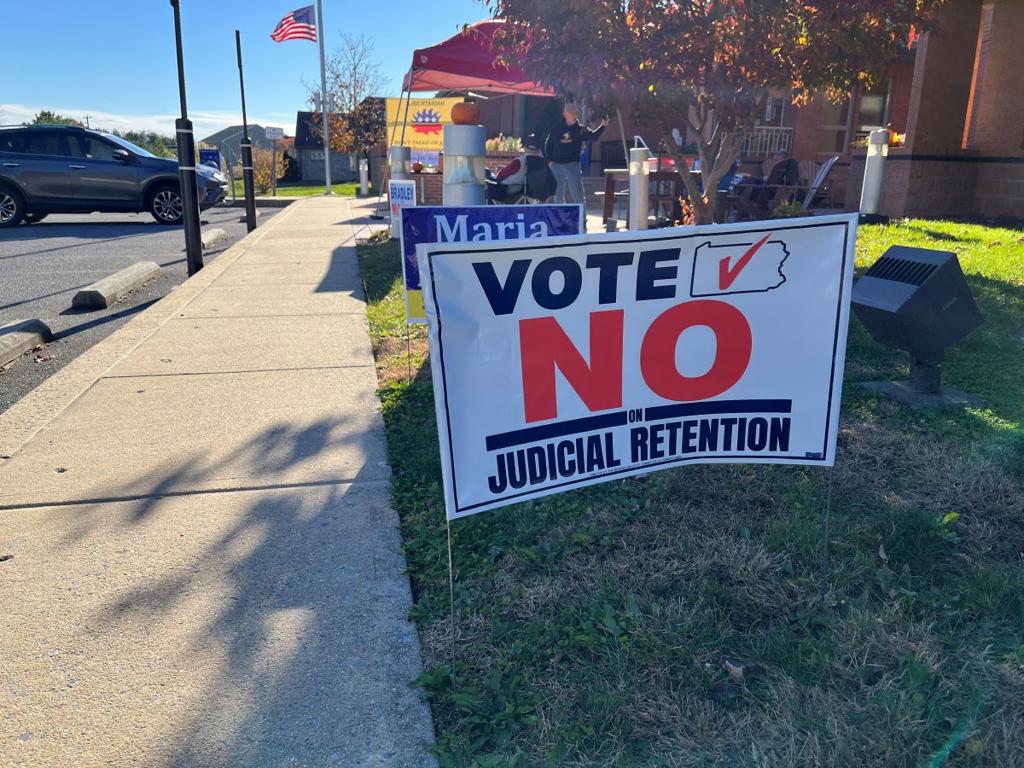
Pennsylvania voters have opted to retain three state Supreme Court justices, ensuring the court will maintain its current composition of five Democrats and two Republicans for the next decade. Justices Kevin M. Dougherty, David Wecht, and Christine Donohue were confirmed for retention with 61 percent of voters supporting their continuation on the bench, while 39 percent opposed it.
Explainer The Complex Legal Landscape of Abortion: State Laws, Federal Shifts, and Cultural Battles
The retention votes reflected traditional party lines, with Democrats largely in favor and Republicans generally opposed. In Allegheny County, a Democratic stronghold, approximately 71-72 percent of voters supported the justices, while only 28-29 percent voted against them. Conversely, in Somerset County, which leans Republican, only 39 percent voted to retain the justices, with 61 percent opposing.
"These retention votes were a test for Pennsylvanians to decide if they want to allow the court to continue down its left-leaning path or potentially bring a better balance to the bench by adding a few Republicans," said an observer of the election.
The justices have been known for their liberal rulings, particularly in cases related to election integrity and abortion rights. They have favored lenient enforcement of election rules, such as allowing late mail-in ballots to be counted, which has raised concerns among some voters about election integrity.
Significant funding was directed toward advertising campaigns promoting the retention of Dougherty, Wecht, and Donohue, emphasizing the need to protect abortion access. The justices have previously ruled in favor of allowing taxpayer-funded Medicaid coverage for abortions, a decision that has drawn criticism from conservative groups.
In 2024, the court reversed a rule that prohibited the use of taxpayer dollars for abortion services, a move that was endorsed by Planned Parenthood PA PAC. This ruling aligns with recent legislative efforts in Pennsylvania to expand abortion rights, including proposals to enshrine the right to an abortion in the state Constitution.
The retention of these justices means that they will remain in their positions until at least 2035, when voters will have another opportunity to weigh in on their performance. By that time, Donohue will be 82, while Dougherty and Wecht will be 73.
This election cycle has highlighted the ongoing divide in Pennsylvania's political landscape, where urban areas tend to dominate statewide outcomes, often overshadowing the preferences of rural voters. As the state prepares for future legal challenges, including those related to the upcoming presidential election in 2028, the court's direction will continue to be a focal point for both parties.