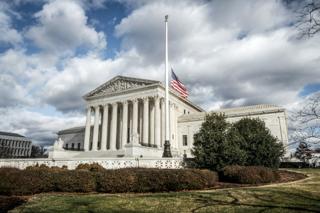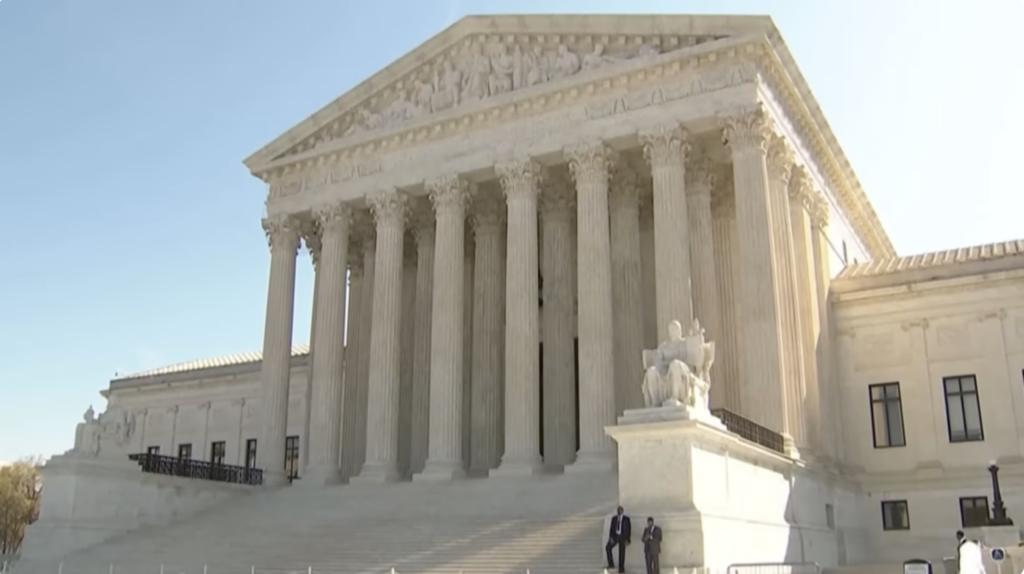
The U.S. Supreme Court issued a significant ruling on Wednesday, declaring that racial gerrymandering in congressional redistricting is unconstitutional. The 6-3 decision, authored by Justice Samuel Alito, found that states cannot use race as a primary factor in drawing electoral maps, emphasizing that such practices violate the Constitution.
Explainer Redistricting Unveiled: How It Shapes American Elections and Governance
This ruling addresses a critical tension in American electoral politics: the balance between ensuring fair representation for racial minorities and preventing race-based discrimination in the political process. The decision is expected to reshape how states approach redistricting, particularly in areas with significant minority populations.
The case, Louisiana v. Callais, arose after a lower court mandated that Louisiana create a second majority-black congressional district, citing potential violations of Section 2 of the Voting Rights Act of 1965. The Supreme Court's majority opinion rejected this premise, stating that compliance with the Voting Rights Act does not justify race-based redistricting. "The State’s attempt to satisfy the Middle District’s ruling... was an unconstitutional racial gerrymander," Alito wrote.
Background on Racial Gerrymandering
Racial gerrymandering has been a contentious issue in U.S. politics, with critics arguing that it undermines the principle of equal representation. The Voting Rights Act was designed to protect against discrimination in voting practices, but the Supreme Court's ruling indicates a shift in how these protections are interpreted. Election law expert Hans von Spakovsky described the ruling as a "good week for the rule of law," suggesting that it reinforces constitutional principles.
In the wake of the decision, NAACP President Derrick Johnson criticized the ruling, calling it a "devastating blow to what remains of the Voting Rights Act" and a potential license for politicians to manipulate electoral maps to their advantage. This sentiment reflects concerns among some civil rights advocates that the ruling could weaken protections for minority voters.
Implications for Future Redistricting
The ruling could have far-reaching implications for how states redraw their congressional maps, particularly in states with diverse populations. Critics of the decision argue that it may lead to a dilution of minority voting power, while supporters contend that it restores fairness to the electoral process by preventing race-based manipulation.
Former President Barack Obama expressed concern over the ruling, stating it exemplifies a trend of the current Court abandoning its role in protecting minority rights. However, von Spakovsky pointed out that similar fears followed previous Supreme Court decisions, such as the 2013 Shelby County v. Holder ruling, which did not result in the widespread discrimination that critics predicted.
In a statement, White House spokeswoman Abigail Jackson hailed the decision as a "complete and total victory for American voters," emphasizing that race should not dictate congressional representation. This perspective aligns with a broader view among some legal experts that the ruling could enhance electoral integrity.
Responses from Legal Experts
Legal analysts are divided on the implications of the ruling. Some argue that it could lead to more competitive districts, while others warn it may exacerbate existing inequalities. Luke Berg, deputy counsel for the Wisconsin Institute for Law & Liberty, noted that the arguments for racial gerrymandering often lack substantial evidence, stating, "I searched nationwide for an anti-competitive gerrymander. I couldn’t find one."
The Supreme Court's decision marks a pivotal moment in the ongoing debate over redistricting and voting rights in the United States. As states prepare for the next round of redistricting, the ruling will likely influence strategies and legal challenges in the years to come. While supporters of the decision celebrate a victory for equal protection under the law, opponents remain concerned about the potential consequences for minority representation in Congress.