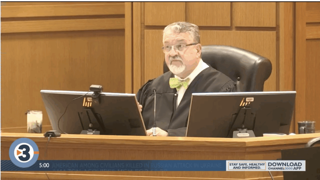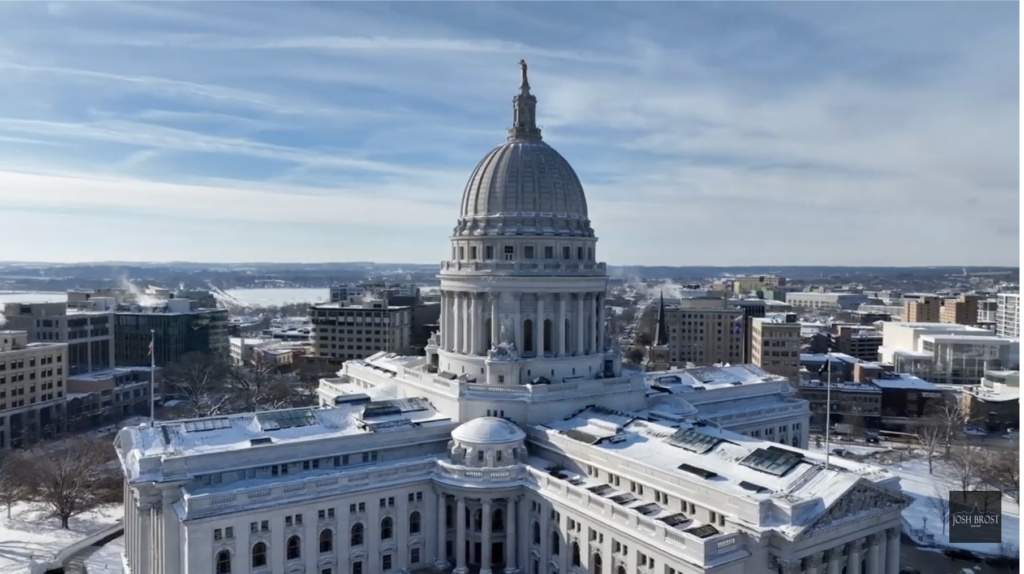
A three-judge panel has dismissed a lawsuit aimed at overturning Wisconsin's congressional maps, a ruling that could significantly impact the upcoming midterm elections. The decision maintains the current district boundaries, which Republicans argue are fair and constitutional. In contrast, Democrats sought to redraw these maps to gain additional seats in Congress, reflecting the ongoing political struggle in the state.
Explainer Legal Landscape in Texas: Key Issues Reshaping State Law
The core issue of the lawsuit revolves around accusations of partisan gerrymandering. Democrats claim that the existing maps unfairly favor Republicans, thereby skewing representation in Congress. The panel's decision underscores the ongoing tensions in Wisconsin's political landscape, where control of congressional seats is critical for both parties, especially as the midterm elections approach.
The lawsuit was filed by Elizabeth Bothfeld and ten other plaintiffs, who were represented by the Elias Law Group. They sought to invalidate the maps drawn by the Wisconsin Supreme Court in 2022. However, the panel ruled that it lacked the authority to overturn the Supreme Court's decision, stating, "Because Plaintiffs have not shown that they are entitled to judgment as a matter of law, their motion for judgment on the pleadings is denied."
Background on the Maps
The current congressional maps were established following a ruling by the Wisconsin Supreme Court, which employed a "least change" methodology to ensure consistency with previous maps. This approach was necessary due to the divided government in 2022, where Democrats controlled the executive branch while Republicans held the legislature. The court's conservative majority determined that the maps complied with constitutional requirements, a decision that has now been upheld by the three-judge panel.
Democrats have criticized the existing maps as the product of "unlawful partisan gerrymandering," arguing that they perpetuate a Republican advantage in elections. However, the panel noted that previous federal courts had found no abuse of partisan advantage in the 2011 political lines that largely inform the current boundaries. Furthermore, the U.S. Supreme Court has ruled that claims of partisan gerrymandering are nonjusticiable, meaning they cannot be resolved by the courts, which adds another layer of complexity to the situation.
Legal Implications
The panel's ruling raises important questions about the authority of lower courts in redistricting cases. The judges expressed uncertainty about their role, asking, "Is this panel a circuit court, an arm of the state supreme court, a referee or something else?" This ambiguity reflects the complex legal landscape surrounding redistricting in Wisconsin, particularly in light of the recent political shifts and the contentious nature of the lawsuit.
Lucas Vebber, deputy counsel at the Wisconsin Institute for Law & Liberty, praised the panel's decision. He stated, "While [the plaintiffs] continue to try to thwart the constitution to get what they want, thankfully our courts continue to be the backstop we need." Vebber's organization had previously intervened in the case, arguing that the panel lacked the authority to overrule the Wisconsin Supreme Court's established decision.
Future Outlook
The dismissal of the lawsuit is likely to have significant implications for the upcoming elections. With Republicans currently holding six of Wisconsin's eight congressional seats, the existing maps will remain in place as the campaign season heats up. Legal experts suggest that it is unlikely there will be any changes to the congressional map this year, as Democrats may need to appeal directly to the state Supreme Court for further action if they wish to challenge the ruling.
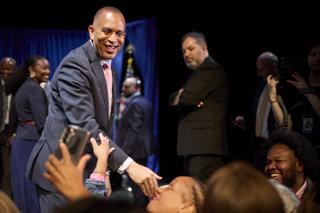
The political stakes are high, with Democrats eager to regain control of the House of Representatives. However, the panel's ruling reinforces the challenges they face in altering the established congressional boundaries. As the election approaches, both parties will be closely monitoring developments in Wisconsin's political landscape, particularly regarding any potential appeals or further legal challenges that may arise in response to this ruling.