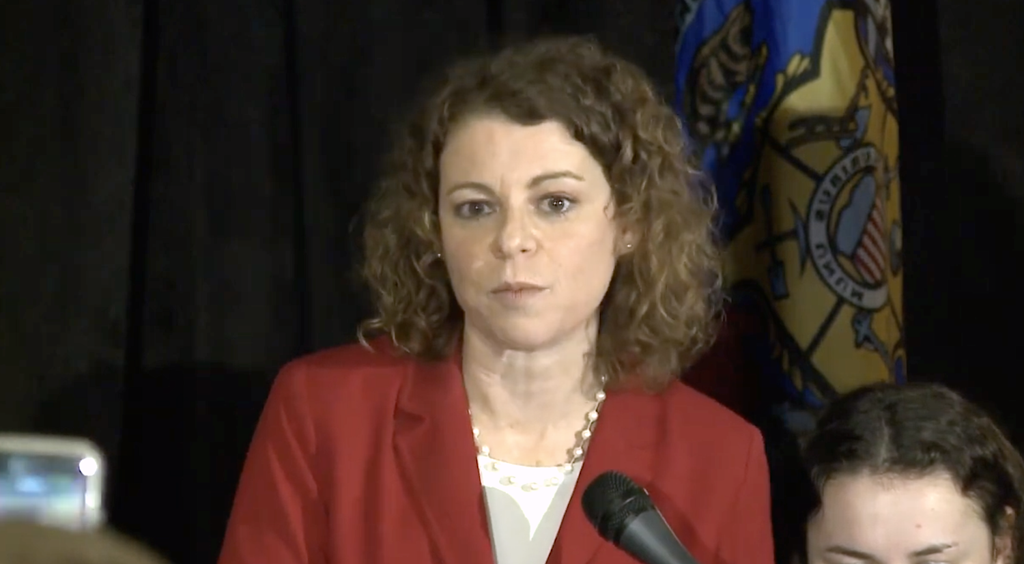
Wisconsin Supreme Court Justice Rebecca Dallet has declined to recuse herself from a case involving former Justice Michael Gableman, despite having previously criticized him. Dallet is set to rule on whether Gableman should have his law license suspended due to allegations related to his investigation into the 2020 presidential election. Gableman has faced scrutiny for his role in examining claims of voter fraud during that election.
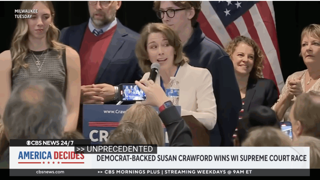
In early October, Gableman requested the recusal of two justices, citing their past statements that he argued demonstrated bias. Justice Susan Crawford agreed to step down after acknowledging her prior comments about Gableman, which included labeling him a “disgraced election conspiracy theorist.” Dallet, however, has maintained her position, stating that her previous remarks about Gableman, made between 2008 and 2018, are irrelevant to the current case.
Dallet's refusal to recuse herself has raised concerns about impartiality within the court. Critics argue that her history of openly attacking Gableman, including during her election campaign when she described his campaign as “one of the most unethical” in the state’s history, undermines the integrity of the judicial process.
Gableman’s law license is at stake due to accusations of ethics violations stemming from his investigation into the 2020 election. He was appointed in 2021 by the Wisconsin Assembly to lead an inquiry into allegations of voter fraud. His findings have sparked controversy, with claims that thousands of deceased individuals were registered to vote in the state.
The Wisconsin Elections Commission (WEC) has also faced criticism for allegedly failing to enforce state laws regarding voter registration and absentee voting. Reports indicate that early absentee voting accounted for nearly 60 percent of ballots cast in the 2020 election, yet some ballots lacked required witness information.
Dallet's decision not to recuse herself has implications for the balance of the court, which currently stands at a 3-3 split between liberal and conservative justices. Legal experts emphasize that judges are expected to maintain impartiality to uphold public confidence in the judicial system.
"For the courts to maintain their dignity, they must not have any semblance of bias," said a legal analyst who wished to remain anonymous.
The situation reflects a broader trend of judges becoming more vocal about their political beliefs, raising questions about the role of partisanship in the judiciary. As Dallet prepares to rule on Gableman’s case, the outcome could set a significant precedent for how similar cases are handled in the future.