Michael Gableman is requesting that Justice Janet Protasiewicz recuse herself from his disciplinary case before the Wisconsin Office of Lawyer Regulation. Gableman, a former state Supreme Court justice, is facing a potential three-year suspension of his law license, a decision that will be made by the court, which he claims is biased against him due to its liberal majority.
Explainer Election Integrity: Protecting Voter Rights in Modern America
In a motion filed on Wednesday, Gableman's attorneys cited Protasiewicz's comments made during her campaign, where she labeled him and former Justice Daniel Kelly as "enemies of the state" and accused them of undermining democracy. Protasiewicz's statements included criticism of Republicans who questioned the integrity of the 2020 presidential election, which she described as part of a "disgraceful effort to promote Donald Trump’s Big Lie."
Gableman's motion argues that Protasiewicz's prior statements create an appearance of bias, violating a core judicial standard that requires judges to avoid any semblance of partiality. The motion references a 2020 Wisconsin Supreme Court ruling emphasizing the importance of due process and preventing the probability of unfairness in judicial proceedings.
Last month, Justice Rebecca Dallet denied a similar recusal request, asserting that her public statements about Gableman did not pose a serious risk of bias. Dallet had previously accused Gableman of running an unethical campaign and being a "rubber stamp for his political allies" during her own campaign for the Supreme Court.
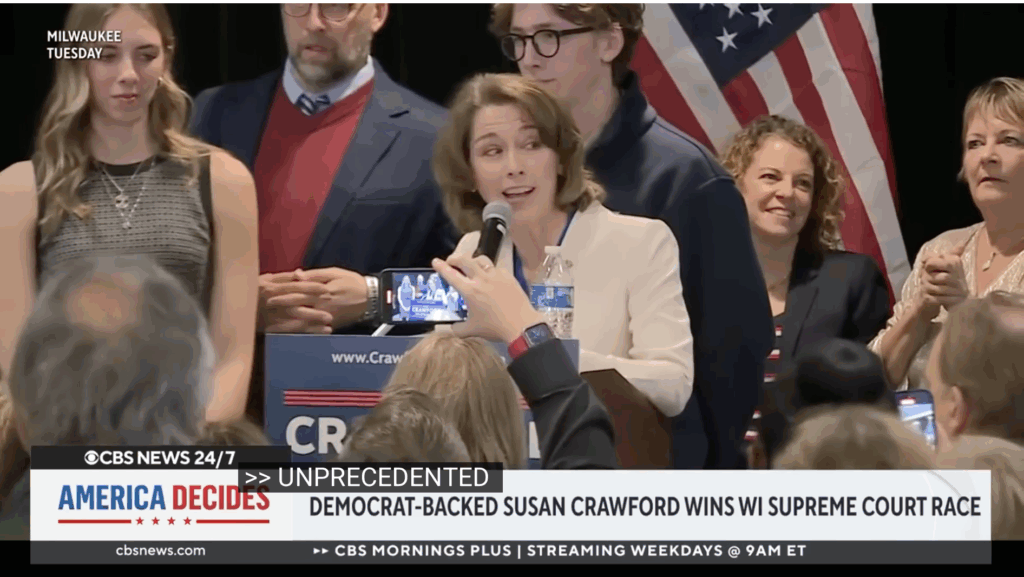
In contrast, Justice Susan Crawford did recuse herself from the case, citing her previous role as a Dane County circuit court judge and her exposure to information related to Gableman's conduct during an open records lawsuit. Crawford noted that her prior interactions with the case's context necessitated her recusal, despite having previously characterized Gableman as a "disgraced conspiracy theorist" in campaign materials.
The Office of Lawyer Regulation has filed a formal complaint against Gableman, alleging ten violations of professional conduct rules, including lying under oath and mishandling public records. Gableman has not disputed the facts in the report but has entered a plea of no contest. His investigation into the 2020 election, which he led as special counsel for the Wisconsin Assembly, has been criticized for its approach and findings, despite some asserting the necessity of examining election integrity.
Gableman's final report called for the dissolution of the Wisconsin Elections Commission and suggested that lawmakers decertify the state's electors from the 2020 election, which saw Joe Biden win by a narrow margin. Critics of Gableman's investigation argue that it was plagued by errors and mismanagement, yet supporters maintain that questions about election integrity warranted scrutiny.
As the disciplinary proceedings continue, the question of judicial impartiality remains at the forefront, with Gableman's team arguing that the current court's composition and past statements from justices could compromise the fairness of the process. The outcome of this case could have significant implications for Gableman's legal career and the broader conversation about election integrity in Wisconsin.