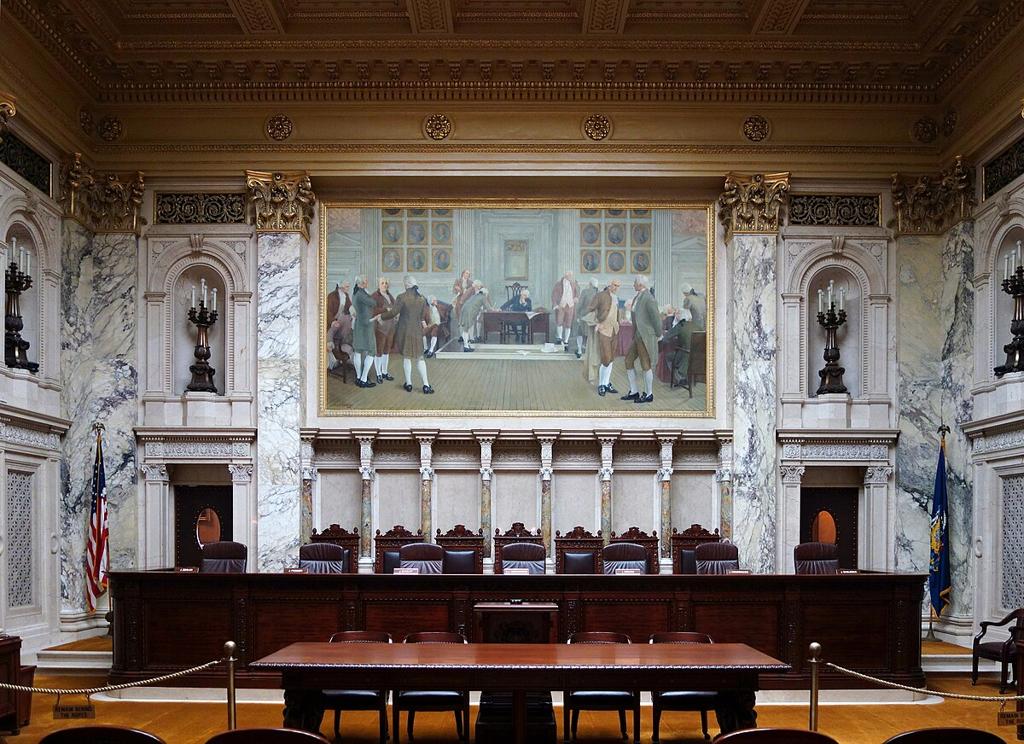
The Wisconsin Supreme Court has ruled in favor of the Catholic Charities Bureau (CCB), affirming its eligibility for a tax exemption that allows it to avoid contributing to the state’s unemployment system. This significant decision comes in the wake of a previous ruling by the U.S. Supreme Court, which emphasized the importance of maintaining neutrality between government entities and religious organizations. The ruling is seen as a pivotal moment in the ongoing discussion regarding the intersection of faith and state regulations.
Explainer Free Speech Battles: Courts, Censorship, and Cultural Conflicts
Wisconsin Supreme Court Upholds Tax Exemption for Catholic Charity
The core issue at hand revolves around the actions of the state’s Democratic Attorney General, Josh Kaul, who has made efforts to challenge the Supreme Court's ruling. Critics of Kaul argue that his actions undermine religious freedoms, raising concerns about the implications for faith-based organizations operating within Wisconsin. The Wisconsin Supreme Court's recent ruling effectively ends Kaul's attempts to sidestep the high court's directive, thereby reinforcing the legal standing of faith-based organizations in the state.
Background and Reactions
CCB first sought the tax exemption in 2016 but faced repeated denials from the state government. Initially, the Wisconsin Supreme Court ruled against the charity, claiming it failed to demonstrate that it operated primarily for religious purposes. However, the case escalated to the U.S. Supreme Court, which unanimously determined that Wisconsin's application of the law violated the First Amendment rights of CCB. This ruling marked a significant moment in the legal landscape concerning religious exemptions.
In June, the U.S. Supreme Court stated that the government must maintain neutrality in matters of religion. Justice Sonia Sotomayor, in her remarks, noted that the case did not present a difficult question regarding this principle. The high court subsequently remanded the case back to Wisconsin, instructing the state to proceed in a manner consistent with its ruling, thereby reinforcing the importance of First Amendment protections.
Following the Supreme Court's decision, Attorney General Kaul sought further proceedings, requesting the Wisconsin Supreme Court to consider additional briefings on how to address the situation. Kaul's team proposed that instead of granting the exemption, the court should eliminate it altogether, arguing that this approach would adequately address the First Amendment concerns raised by the case. This proposal, however, was met with resistance.
The Wisconsin Supreme Court ultimately rejected this proposal in its latest ruling, stating that CCB is indeed eligible for the religious purposes exemption under state law. The court ordered the circuit court to vacate previous decisions and to declare CCB and its sub-entities eligible for the exemption. This ruling is seen as a reaffirmation of the rights of religious organizations to operate without undue interference from the state.
Eric Rassbach, Vice President and Senior Counsel at the Becket Fund for Religious Liberty, hailed the ruling as a significant victory for religious organizations. He stated, "You’d think Wisconsin would take a 9-0 Supreme Court loss as a hint to stop digging," criticizing Kaul's continued legal challenges. Rassbach emphasized that the ruling protects not only Catholic Charities but also other faith-based organizations that rely on similar exemptions to serve the public effectively.
Despite the ruling, Kaul's office has not publicly commented on the decision or the broader implications of the Supreme Court's directive. Supporters of the attorney general's position argue that the state has a responsibility to ensure that all organizations comply with unemployment insurance laws, regardless of their religious affiliation. This ongoing debate highlights the complexities involved in balancing state regulations with the rights of religious organizations.
The Wisconsin Supreme Court's decision underscores the ongoing legal battles surrounding religious exemptions and the balance between state regulations and First Amendment rights. As the legal landscape continues to evolve, the implications of this ruling may influence similar cases across the country, particularly those involving faith-based organizations seeking exemptions from state laws. The outcome of this case reflects the complexities of navigating religious freedoms in the context of state regulations, highlighting the tensions between government oversight and constitutional rights.
In summary, the Wisconsin Supreme Court's ruling reinforces the legal protections for religious organizations in the state, following a significant U.S. Supreme Court decision. This outcome not only impacts Catholic Charities but also sets a precedent for other faith-based organizations, emphasizing the need for careful consideration of religious freedoms in the face of state laws.