Supreme Court Decision on Tariffs Sparks Debate Over Congressional Authority
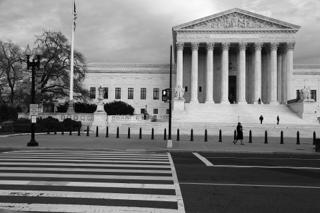
The Supreme Court recently ruled that tariff authority does not rest with the executive branch, prompting significant discussions about the legislative branch's responsibility in addressing trade imbalances. Justice Neil Gorsuch emphasized that major decisions affecting the rights of Americans should be made through the legislative process, allowing for deliberation and compromise among elected representatives. This ruling has reignited debates over Congress's effectiveness in tackling significant issues, particularly the offshoring of American industry.
Critics argue that lawmakers have failed to adequately address the long-term impacts of trade policies on American workers and industries. They contend that the lack of decisive action has contributed to the decline of manufacturing jobs in the United States. On the other hand, supporters of the ruling assert that it reinforces the constitutional separation of powers, ensuring that Congress retains its authority over significant economic decisions.
Key Details
In his concurring opinion, Gorsuch stated, "most major decisions affecting the rights and responsibilities of the American people... are funneled through the legislative process for a reason." This perspective highlights the importance of Congress in shaping policies that directly affect citizens, including tariffs and taxes. The ruling serves as a reminder that the legislative branch has a critical role in the governance of economic policy, which should not be overshadowed by executive actions.
Background and Reactions
The backdrop of this ruling includes a history of legislative inaction on trade issues. For instance, the Health Insurance Portability and Accountability Act (HIPAA) of 1996 mandated that the Secretary of Health and Human Services submit recommendations on medical privacy standards. However, many of these recommendations remain unaddressed decades later, raising questions about the effectiveness of Congress in responding to pressing national issues.
Former President Donald Trump’s approach to tariffs aimed to negotiate with other countries to rectify trade imbalances and bring manufacturing back to the U.S. His administration's policies were characterized by a focus on imposing tariffs as a means to protect American industries. However, the Supreme Court's decision limits the executive branch's ability to impose tariffs without congressional approval, thereby shifting the responsibility back to lawmakers.
Critics of Congress, including Rep. Thomas Massie (R-Ky.), have pointed to Gorsuch's opinion as a call to action for lawmakers. Massie tweeted, "Why should I comment when Gorsuch has already nailed it right here?" This sentiment reflects a growing frustration among some members of Congress and the public regarding the legislative branch's perceived inaction on critical economic issues.
Supporters of the ruling argue that it reinforces the need for Congress to take a more active role in economic policy. However, some lawmakers have not publicly addressed the criticisms regarding their inaction on trade and industrial policy. This silence raises concerns about whether Congress is prepared to engage with the complexities of modern economic challenges and the evolving landscape of international trade.
The ongoing debate reflects a broader frustration with the legislative process, where some believe that Congress is not fulfilling its duties. Critics suggest that the legislative branch has become increasingly passive, allowing the executive branch to take on responsibilities that should belong to elected representatives. This dynamic has led to calls for a reevaluation of how Congress approaches its role in governance, particularly in the context of economic policy.
As the nation grapples with the implications of the Supreme Court's ruling, the question remains: What will Congress do to address the issues highlighted by Gorsuch? The legislative branch's response to this ruling could shape the future of U.S. trade policy and its broader economic landscape. The effectiveness of Congress in addressing these challenges will be closely monitored by both the public and political analysts alike.
In conclusion, the Supreme Court's decision underscores a critical moment in U.S. governance, emphasizing the need for Congress to reclaim its role in shaping policies that affect the American public. As discussions continue, the effectiveness of lawmakers in addressing trade and economic issues will be scrutinized, with many hoping for a renewed commitment to proactive legislative action that prioritizes the interests of American workers and industries.