Republican senators have opted not to advance a significant proposal for a $1.776 billion Anti-Weaponization Fund. This fund was designed to provide restitution to individuals who claim they were unfairly targeted by the federal government. The decision to reject this proposal came as many senators were preparing to leave Washington for a break, leading critics to argue that this reflects a failure to support accountability for government actions.
Senate Republicans Reject Restitution Fund for Victims of Government Weaponization
The core tension surrounding this issue lies in the senators' reluctance to compensate individuals who assert they were victims of government overreach. This reluctance contrasts sharply with their willingness to approve a separate fund for themselves, raising important questions about fairness and the responsibilities of elected officials toward their constituents. The proposed fund aimed to address claims from various groups, including pro-life advocates and individuals involved in the January 6 protests. These groups allege that they were specifically targeted by the Biden administration for their beliefs and actions.
Background and Reactions
Vice President J.D. Vance noted that the fund would allow for case-by-case evaluations of claims, emphasizing the need for a systematic process to address grievances. This approach was intended to ensure that each claim would be considered on its own merits, providing a structured means for individuals to seek redress.
Acting Attorney General Todd Blanche stated, "The machinery of government should never be weaponized against any American, and it is this Department’s intention to make right the wrongs that were previously done while ensuring this never happens again." This statement underscores the administration's commitment to addressing perceived injustices and highlights the importance of accountability within government operations.
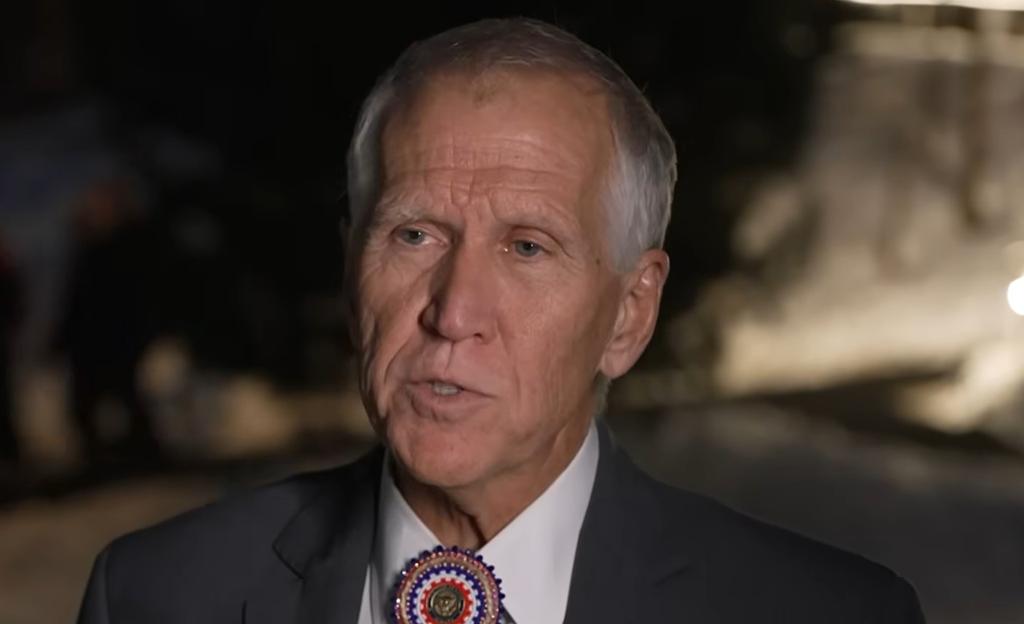
Despite the proposed fund's intent to provide restitution, some Republican senators expressed strong opposition to the idea. Outgoing Senator Thom Tillis of North Carolina criticized the proposal, saying, "I think it’s stupid on stilts. … When you take money from me to give to a purpose that I vehemently disagree with, that’s tyranny." His comments reflect a broader concern among some lawmakers about the implications of using taxpayer funds for restitution purposes, especially when they disagree with the claims being made.
Senate Minority Leader Mitch McConnell also voiced his disapproval, labeling the fund as "utterly stupid" and questioning the morality of compensating individuals who may have assaulted law enforcement officers during protests. His remarks highlight a significant divide within the party regarding the approach to government accountability and the responsibilities of elected officials.
The senators' decision to leave the proposal on the table coincided with their approval of a separate fund that allocates $500,000 to each senator. This allocation came after revelations of surveillance by the Biden administration, which has raised concerns about privacy and government overreach. Critics argue that this disparity indicates a lack of empathy for ordinary Americans who are facing scrutiny from the government.
As the Senate adjourned until June, Majority Leader John Thune and his colleagues left unresolved a $72 billion funding bill for Immigration and Customs Enforcement (ICE) and Customs and Border Protection (CBP). This funding bill is viewed by some as a missed opportunity to address pressing immigration issues, and its inaction has drawn criticism from various quarters, including supporters of stricter immigration policies.
The decision to leave town without addressing the restitution fund and the immigration bill has been interpreted by some as a response to former President Donald Trump's endorsements of candidates challenging incumbent senators. An anonymous Republican senator suggested that the inaction was a form of retribution against Trump for his endorsements, stating, "The Uniparty GOP senators deliberately wet the bed as punishment for Trump endorsing against Cassidy and Cornyn. It’s totally embarrassing."
Amidst the turmoil, the Senate's failure to act on the restitution fund raises broader questions about the accountability of government actions and the responsibilities of elected officials to their constituents. While some senators have expressed concerns about the fund, supporters argue that it is essential for addressing grievances and restoring trust in government.
As the Senate prepares to reconvene, the future of the Anti-Weaponization Fund and the immigration funding bill remains uncertain. Ongoing debates are likely to shape the legislative agenda in the coming months. The outcome of these discussions will have significant implications for both government accountability and immigration policy moving forward.