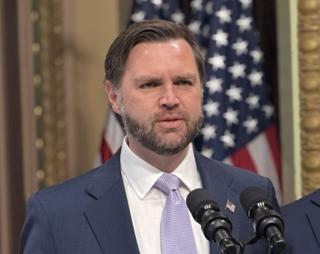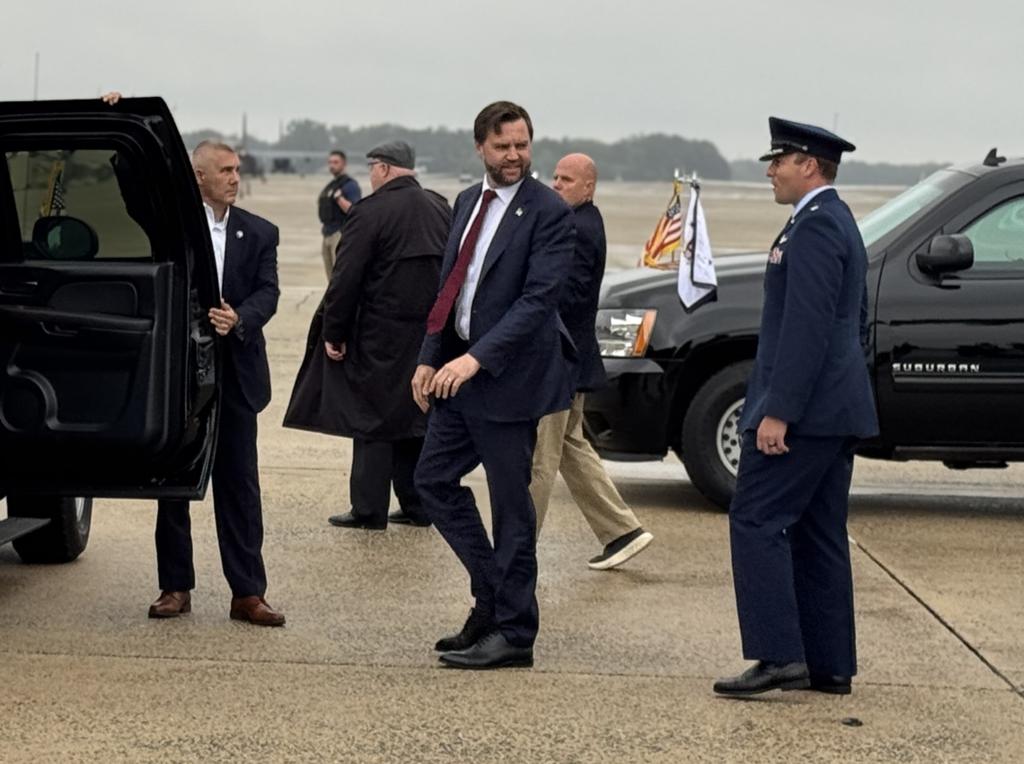
Vice President J.D. Vance stated on Tuesday that the United States is focused on preventing Iran from obtaining nuclear weapons, a move he argues is crucial to avoid a potential nuclear arms race in the Middle East. Vance's remarks highlight the administration's ongoing negotiations with Iran, which have faced numerous challenges and uncertainties. The stakes are high as U.S. officials aim to curb Iran's nuclear ambitions while navigating complex diplomatic waters. Vance emphasized that allowing Iran to develop nuclear capabilities could trigger a domino effect, prompting other nations in the region to pursue their own nuclear arsenals.
Historically, preventing Iran from acquiring nuclear weapons has been a key objective of U.S. foreign policy, particularly under the Trump administration. Vance's comments at a White House press briefing provided insight into the administration's strategic thinking amid ongoing negotiations, which have often lacked clarity regarding U.S. interests.
Concerns Over Regional Stability
Vance articulated the broader implications of a nuclear-armed Iran, stating, "If you have every country in the world scrambling to try to get a nuclear weapon, it would make us all much less safe, and Iran would really be the first domino." He underscored that the potential for a nuclear arms race would undermine two decades of American foreign policy aimed at nuclear nonproliferation. The fear is that if Iran successfully develops nuclear weapons, it could encourage neighboring countries to follow suit, thereby escalating tensions and instability in an already volatile region.
The negotiations with Iran have been fraught with difficulties, including fluctuating deadlines and military actions that have been called off amid diplomatic developments. Vance noted that President Trump has instructed his team to engage in negotiations with Iran in good faith, but he expressed uncertainty about Iran's intentions. "It’s sometimes hard to figure out exactly what it is that the Iranians want to accomplish out of the negotiation," he said, reflecting the complexities involved in the discussions.
U.S. Position on Nuclear Weapons
The primary sticking point in the negotiations remains Iran's nuclear weapons program. Vance reiterated the U.S. position, stating, "Iran cannot have a nuclear weapon. We want to see not just the commitment to not have a nuclear weapon, but the commitment to work with us on a process to ensure that... the Iranians are not rebuilding that nuclear capability." This statement underscores the U.S. desire for a comprehensive agreement that not only prevents nuclear armament but also establishes a framework for monitoring and verification.
Despite the administration's clear stance, the negotiations appear to be at an impasse. Vance could not guarantee that a deal would be reached soon, emphasizing that he would not express confidence until a formal agreement is signed. He remarked, "I will not say with confidence that we’re going to reach a deal until we’re actually signing a negotiated settlement here," indicating the cautious approach the administration is taking.
Potential Military Action
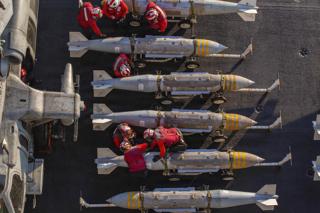
Should the U.S. and Iran fail to reach an agreement, Vance indicated that the administration would consider resuming military operations to pressure Iran back to the negotiating table. He acknowledged that a renewed military campaign is not the preferred option for either the U.S. or Iran, stating, "That’s not what the president wants, and I don’t think it’s what the Iranians want either." This highlights the delicate balance the administration seeks to maintain between diplomatic efforts and the potential use of force.
While the administration's approach has drawn criticism from some quarters, supporters argue that a firm stance is necessary to maintain regional stability and prevent a nuclear arms race. Critics, however, have raised concerns about the effectiveness of the current negotiation strategy and the potential consequences of military action. As the situation develops, the U.S. remains committed to its goal of preventing Iran from acquiring nuclear weapons, a challenge that continues to shape foreign policy discussions and strategic planning in the region. The outcome of these negotiations will have significant implications not only for U.S.-Iran relations but also for the broader geopolitical landscape in the Middle East.