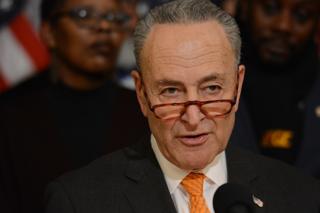
The House of Representatives has passed a revised version of the PRIME Act, a measure aimed at shifting the regulation of intrastate meat production from federal to local authorities. This legislation, authored by Representative Thomas Massie, a Kentucky Republican, is seen as a significant step toward enhancing local food markets and providing more flexibility for producers and consumers.
The core tension surrounding the PRIME Act lies in balancing local control over food production with concerns about food safety and quality. Critics argue that reducing federal oversight could lead to unsafe meat products, while supporters contend that local regulations can ensure accountability and better serve community needs.
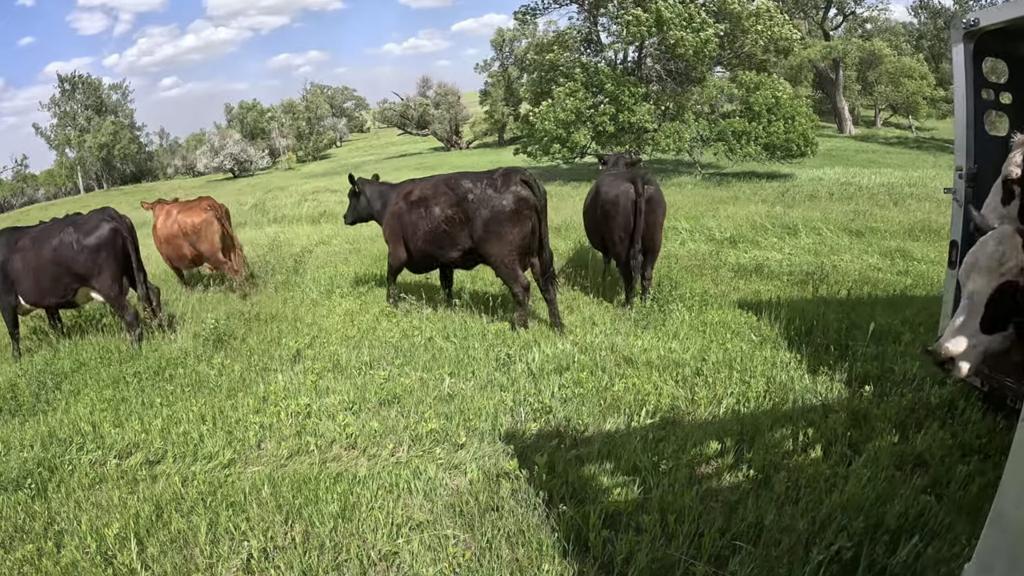
The PRIME Act, which stands for Processing Revival and Intrastate Meat Exemption, seeks to allow ranchers and farmers to process their livestock at local facilities rather than relying on distant USDA-approved slaughterhouses. This change is intended to alleviate the burdens placed on small producers and restore community-based food markets.
Key Details
Historically, federal regulations have limited local food production. A landmark 1942 Supreme Court case, Wickard v. Filburn, established broad federal authority over agricultural production by ruling that any crop, even if used solely on a farm, could be regulated under interstate commerce laws. This ruling has led to a consolidation of the meat processing industry, with a few large companies dominating the market, leaving smaller ranchers with limited options.
Background and Reactions
Massie emphasized the importance of local accountability in food production, stating, "You would have local accountability, back to the farmer." He argued that local health authorities would still conduct inspections, ensuring that meat safety standards are upheld without the need for federal oversight.
However, opponents of the bill, including the Meat Institute, have raised alarms about the potential risks associated with reduced federal regulation. They warn that the absence of stringent oversight could lead to a resurgence of unsafe food practices reminiscent of the early 20th century, when Upton Sinclair's exposé highlighted unsanitary conditions in the meatpacking industry. The Meat Institute cautioned against a market filled with "uninspected meat," suggesting that consumers could be put at risk.
Despite these concerns, the PRIME Act has garnered bipartisan support. The version that passed the House is part of a larger farm bill and is now awaiting action in the Senate, where it is sponsored by Senator Rand Paul, a Republican from Kentucky, and Senator Angus King, an independent from Maine who caucuses with the Democrats. The bill's bipartisan backing indicates a shared interest in reforming food production regulations.
The current iteration of the PRIME Act is a pilot program, allowing for limited direct sales of locally processed meat to consumers until 2031, after which it will require reauthorization by Congress. This pilot version is a compromise from the original proposal, which would have permitted broader sales directly to restaurants and grocery stores.
Massie described the pilot as a necessary first step, saying, "I’m not ready to call it the Wickard v. Filburn repeal act yet," while humorously referring to it as the "Sub-PRIME Act." He expressed hope that the pilot project would demonstrate the viability of local meat production and encourage consumers to seek out locally sourced products.
Supporters of the PRIME Act argue that it could revitalize local economies and provide consumers with fresher, higher-quality meat options. They believe that by allowing local producers to process and sell their products directly, communities can benefit from increased food sovereignty and reduced reliance on large corporations.
As the bill moves to the Senate, its future remains uncertain. While it has received positive feedback from some lawmakers, the concerns raised by food safety advocates may prompt further debate on the implications of reducing federal oversight in the meat industry. The outcome could significantly impact how meat is produced and sold in the United States, shaping the landscape of local food systems for years to come.