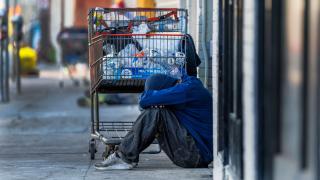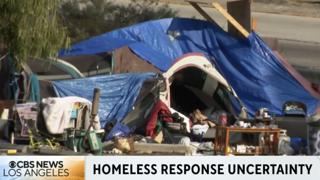
Lawmakers in Louisiana are advancing a bill aimed at addressing homelessness by offering individuals in encampments a choice between shelter, treatment, or the criminal justice system. The proposal, known as House Bill 211, has sparked significant backlash from activists who have drawn comparisons to Jim Crow laws, arguing that it criminalizes homelessness and perpetuates systemic oppression against vulnerable populations.
Explainer Public Safety and Crime Trends in America: Understanding the Landscape
The core tension surrounding this legislation lies in balancing the need for effective solutions to homelessness with concerns about the potential for punitive measures against those who are already marginalized. Critics argue that the bill could lead to further marginalization of people experiencing homelessness, while supporters contend it provides necessary support and accountability, aiming to help those in need rather than punish them.
Louisiana's homelessness situation reflects a broader national trend, with a notable increase in unsheltered homelessness. While overall homelessness in the state has decreased by 34 percent, the number of individuals living on the streets has risen by 50 percent in recent years. This alarming trend has prompted state Representative Debbie Villio to propose HB 211, which specifically aims to address the needs of those living in encampments.
In a statement, the activist coalition Housing Not Handcuffs criticized the bill, claiming it evokes “debtors’ prisons, convict leasing, and Jim Crow.” The National Homelessness Law Center also condemned the proposal, suggesting it perpetuates a cycle of oppression against the homeless. However, supporters argue that the bill is a compassionate response to a growing crisis that requires immediate attention and action.
A Shift in Approach
House Bill 211 seeks to regulate street camping in a manner similar to how littering is managed in Louisiana, imposing the same maximum fines for both offenses. Unlike littering laws, however, the bill offers individuals arrested for related crimes a pathway out of the criminal justice system if they accept treatment and services for underlying behavioral health issues. This approach aims to address the significant number of homeless individuals struggling with addiction and mental illness, which has increased by 25 percent in the last five years.
Supporters of the bill assert that it is designed to help individuals rather than punish them. “We are trying to provide a choice,” Villio said. “This is about giving people the opportunity to get the help they need.” Despite the criticism, evidence from other states suggests that similar measures can lead to positive outcomes. For instance, after Kentucky implemented a street camping ban, only 32 individuals out of more than 1,700 people living on the street were charged with misdemeanors for repeated violations. Many of these individuals were offered diversionary services instead of facing criminal charges, indicating a potential for rehabilitation rather than punishment.
Addressing the Root Causes
The proposed legislation includes provisions for specialized courts, often referred to as “homeless courts,” which focus on helping individuals entangled in the criminal justice system due to their homelessness. These courts aim to connect individuals with necessary support services while holding those who commit serious crimes accountable for their actions. Critics argue that the bill fails to adequately address the root causes of homelessness and may lead to further criminalization of vulnerable populations. However, proponents maintain that the legislation is a necessary step toward providing effective solutions to a complex issue that has persisted for years.
Additionally, the bill requires participants to contribute to the cost of their treatment and services, either through modest funds or community service. This requirement is intended to foster a sense of purpose and self-sufficiency among individuals receiving assistance, encouraging them to take an active role in their recovery and reintegration into society.
Balancing Compassion and Accountability
As Louisiana lawmakers consider this controversial bill, the ongoing debate highlights the challenges of addressing homelessness in a way that is both compassionate and effective. While activists continue to voice their concerns about the potential negative impacts of the bill, supporters argue that the current approach to homelessness is failing and that new strategies are essential to improve the lives of those affected.
The ongoing discussion reflects a broader national conversation about how best to support individuals experiencing homelessness while ensuring public safety and community well-being. As the bill moves forward through the legislative process, it remains to be seen how lawmakers will address the criticisms and whether they will find a balance that satisfies both advocates for the homeless and concerned community members who seek to ensure safety and order in their neighborhoods.