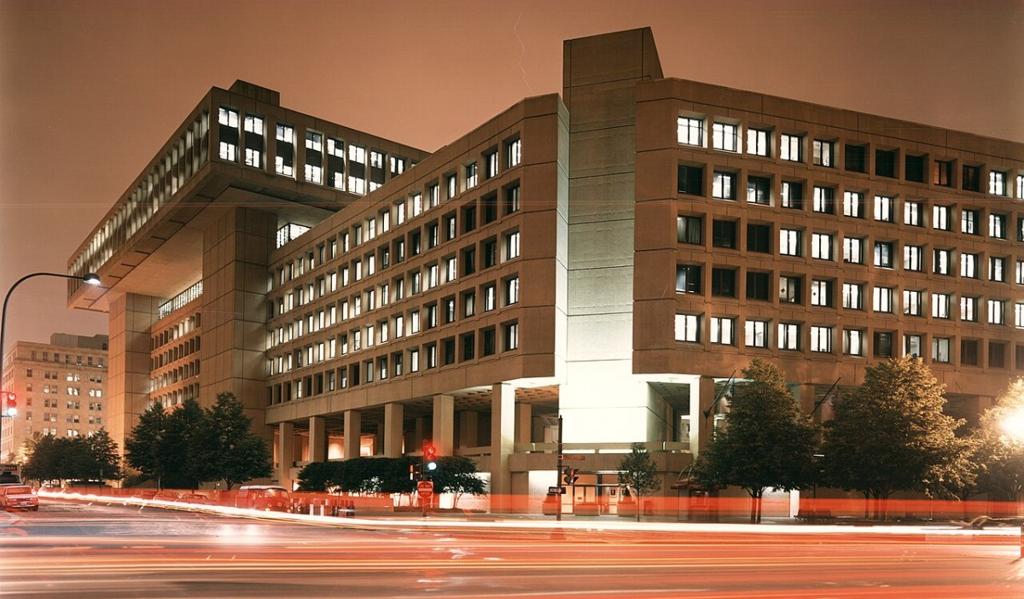
The FBI's Washington Field Office has released a 12-page document that opens a preliminary investigation into the Clinton Foundation, raising new concerns about potential pay-to-play activities involving the Clinton family. Senator Chuck Grassley, who made the document public, argues that it underscores a pattern of politicization within the Department of Justice (DOJ).
The core issue revolves around allegations that the DOJ has applied different standards of justice based on political affiliation, particularly in its investigations of the Clinton Foundation compared to those involving former President Donald Trump. Grassley highlighted the document's detailed evidence of foreign influence and donations to the Clinton Foundation, suggesting a troubling lack of accountability.
This release follows previous disclosures by Grassley that outlined the origins of three separate FBI investigations into the Clinton Foundation, which were initiated by field offices in New York, Little Rock, and Washington, D.C. Last year, Grassley revealed that Ray Hulser, then head of the DOJ’s Public Integrity Section, had opposed these investigations and allegedly withheld information from the U.S. attorney's office in Little Rock.
Key Details
Hulser later testified to Special Counsel John Durham that while he declined to prosecute, his decision was not binding on other U.S. Attorneys or FBI divisions. He claimed the FBI's presentation of the case was inadequate, stating, "[I]n sum, that the FBI briefing was poorly presented and that there was insufficient predication for at least one of the investigations due to its reliance on allegations contained in a book."
Background and Reactions
Grassley pointed to specific allegations in the newly released document, including a $2.35 million donation to the Clinton Foundation from the head of the Russian government’s uranium company, Uranium One. The document also mentions donations from an executive of Polo Resources, which coincided with favorable actions from U.S. officials in Bangladesh.
Additionally, the document details a potential pay-to-play scheme involving Colombian timber and highlights Hillary Clinton's alleged influence over a $3.7 billion aircraft purchase with Boeing, which was followed by a $900,000 donation to the Clinton Foundation. Grassley noted that these allegations raise serious questions about the integrity of the DOJ's investigations.
The FBI's handling of the Clinton Foundation case contrasts sharply with its approach to investigations involving Trump. Grassley remarked, "For too long, our Justice Department has chosen winners and losers instead of enforcing the law without regard to power, party or privilege."
Despite the serious allegations outlined in the document, it remains unclear what actions, if any, the FBI took to investigate these claims before closing the investigations in 2016. After Trump's election, the Little Rock office was able to reopen its investigation, but interference from the DOJ reportedly continued.
The lead assistant U.S. attorney noted in a memorandum that outstanding requests for investigative activities remained unresolved two years after they were first submitted. This delay followed Hulser's refusal to support the investigations, raising further questions about the DOJ's commitment to transparency and accountability.
Critics of the DOJ's actions argue that the agency has consistently shielded powerful political figures from scrutiny while aggressively pursuing investigations into Trump and his associates. Supporters of the DOJ's approach argue that the complexities of each case warrant different levels of scrutiny and that the agency must operate within legal constraints.
As the Senate Judiciary Committee continues to investigate these matters, it remains to be seen whether the current DOJ and FBI will address the concerns raised by Grassley and others regarding potential obstruction of justice. The implications of these findings could have significant repercussions for the integrity of the U.S. justice system.