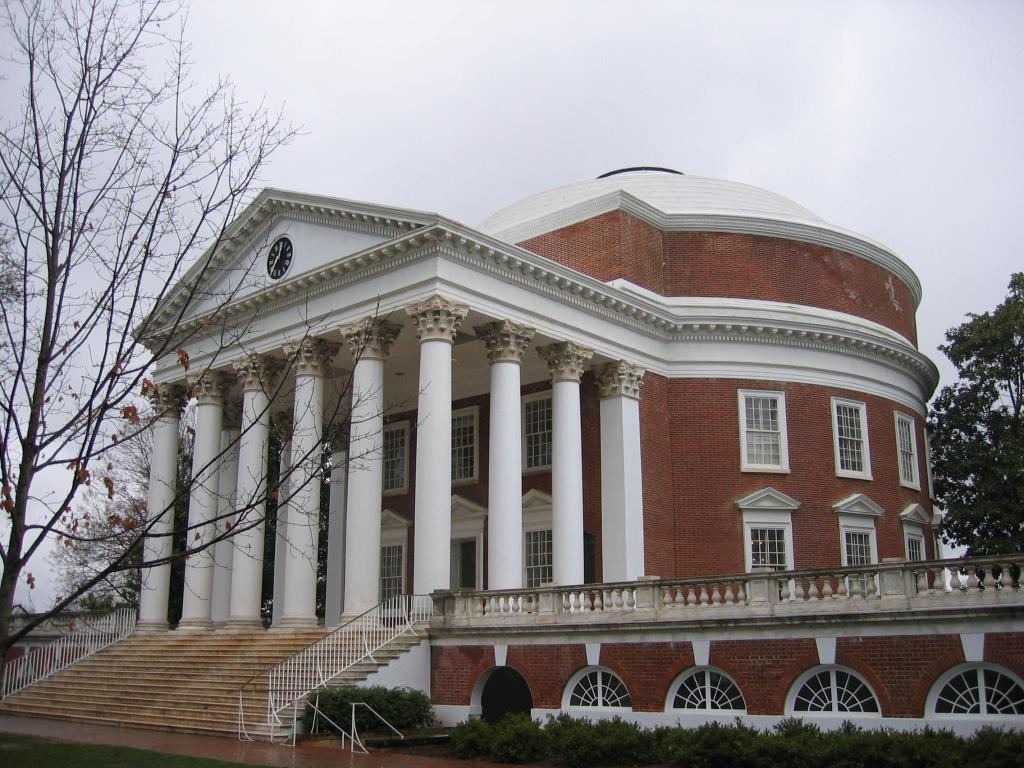
The University of Virginia (UVA) has reached an agreement with the U.S. Department of Justice (DOJ) to discontinue race-based admissions and hiring practices, along with other diversity, equity, and inclusion (DEI) initiatives deemed illegal. This decision follows a civil rights investigation into the university's practices, which included five inquiries related to racial discrimination policies that have been in place for years.
The DOJ's investigation revealed that UVA had attempted to conceal its DEI programs by rebranding them while continuing to implement the same ideologies. This agreement marks a significant shift for UVA, which is now the first public institution to enter such an arrangement with the DOJ.
The agreement comes in the wake of the resignation of former university President Jim Ryan, who faced criticism for his administration's focus on DEI initiatives. Assistant Attorney General for Civil Rights Harmeet Dhillon, a UVA alumna, emphasized the importance of the agreement, stating it would protect students and faculty from unlawful discrimination and restore equal opportunity. Dhillon warned that other universities should be aware that the DOJ will enforce federal civil rights laws without exception.
UVA's agreement is notable as it does not require the university to make any payments to the federal government or submit to independent monitoring. Instead, UVA will provide quarterly updates to the DOJ to demonstrate compliance with the agreement.
Interim President Paul Mahoney expressed that the agreement preserves the academic freedom of the university's community. He reiterated a commitment to the principles of academic freedom, ideological diversity, and free expression, invoking the legacy of Thomas Jefferson, the university's founder. This reference to Jefferson is significant, as his legacy had become a contentious topic under Ryan's leadership, which often downplayed his contributions.
The university's connection to Monticello, Jefferson's estate, adds another layer to the ongoing discussions about its historical legacy. Under Ryan, there were efforts to reshape the narrative around Jefferson's legacy, influenced by contemporary social movements.
While the agreement resolves the civil rights investigations, it is distinct from a separate compact offered by the Trump administration to several universities, including UVA. This compact proposed favorable federal grant funding considerations for institutions that commit to maintaining a diverse marketplace of ideas and abolishing departments that may suppress conservative viewpoints. UVA opted not to sign this separate agreement.
The implications of this agreement may resonate beyond UVA, as it reflects a broader trend among educational institutions grappling with the balance between diversity initiatives and compliance with civil rights laws. As universities navigate these complex issues, the DOJ's actions may serve as a precedent for other institutions facing similar scrutiny.
In summary, the University of Virginia's agreement with the DOJ signifies a pivotal moment in the ongoing debate over race-based admissions and DEI initiatives in higher education, with potential ramifications for institutions across the country.