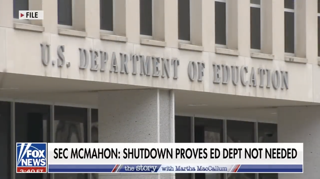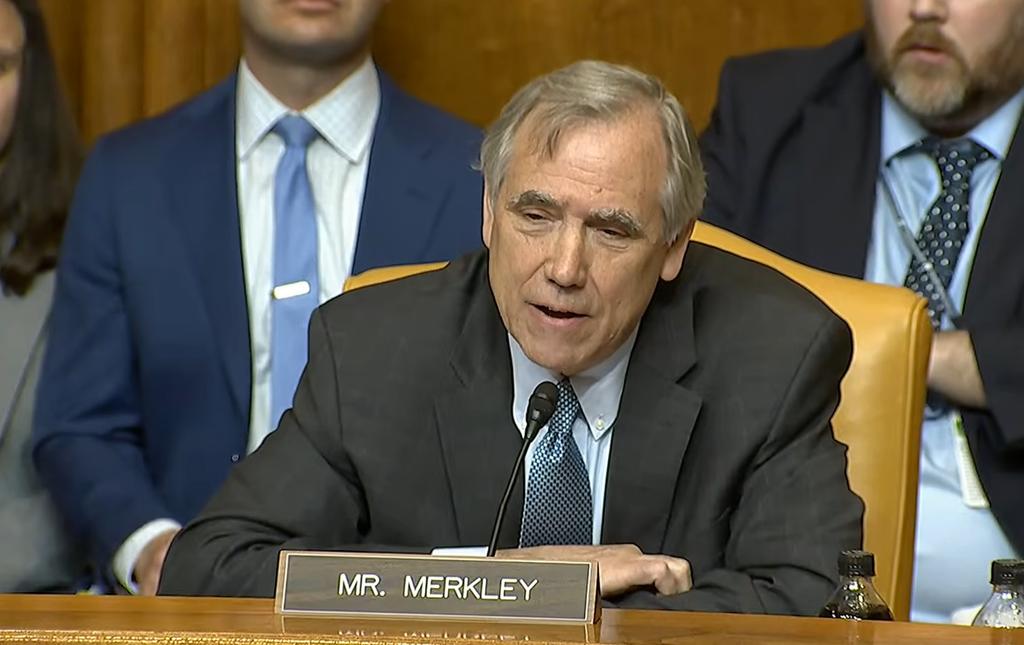
A coalition of congressional Democrats announced a resolution on Thursday aimed at repealing Trump administration regulations that cap student loans and address rising tuition costs at colleges and universities. The proposed Congressional Review Act (CRA) resolution is led by Senators Jeff Merkley and Angela Alsobrooks, along with Representatives Suzanne Bonamici, John Mannion, and Lauren Underwood. This legislative effort specifically targets a recent Department of Education rule that limits tuition charges and streamlines loan repayment processes for students.
The core issue revolves around the balance between controlling student debt and ensuring access to higher education for those entering public service professions. The Democrats argue that the loan caps will hinder graduates from entering essential fields such as nursing and teaching, which are critical to community welfare. Critics, however, assert that the regulations are necessary to curb excessive tuition fees and protect taxpayers from bearing the burden of rising educational costs.
The Trump administration's rule, which is set to take effect on July 1, aims to address decades of rising tuition costs, which have increased by a staggering 343 percent since 2005. Education Under Secretary Nicholas Kent criticized the Democrats' resolution, claiming it prioritizes political gain over genuine student support. "For years, Democrats have purported to care about student debt. But now, they’ve reaffirmed what we’ve been saying. It was a way to buy off people, not truly help them," Kent told The Federalist, emphasizing his belief that the proposed repeal is misguided.
Impact on Public Service Professions
Democratic lawmakers contend that the loan caps will disproportionately affect graduates pursuing careers in public service. They argue that limiting borrowing could deter individuals from entering professions that are essential for community welfare. Kent responded to these claims by stating, "These Democrats who are attempting to repeal our well thought-out rule are hypocrites and are using lies and scare tactics." He emphasized that 94% of graduate-level teachers are not affected by the loan caps, suggesting that the concerns raised by Democrats may be overstated.
Kent further noted that the assertion that firefighters and other public service workers would be adversely impacted is misleading, as no graduate-level fire service programs are affected by the new rules. This claim has sparked ongoing debate over the actual implications of the proposed changes and whether they will indeed hinder public service careers.
Changes in Higher Education Institutions
In response to the impending loan caps, some universities have already begun adjusting their tuition structures to adapt to the new regulatory environment. For instance, the University of California, Irvine, announced a reduction of more than 20 percent in tuition for two of its business degree programs following the announcement of the loan cap. Similarly, the University of Kansas plans to utilize its endowment to offer low-interest student loans, thereby moving away from reliance on federal funding.
Additionally, Santa Clara University Law School has introduced a "pledge scholarship" that provides a $16,000 tuition scholarship to every first-year law student. This initiative aims to ensure affordability despite the new federal loan limits, reflecting a proactive approach by institutions to maintain accessibility for students. These actions suggest that universities are responding to the regulatory changes, potentially reshaping the landscape of higher education financing in the United States.
Legislative Process Ahead
The Democratic group indicated that they will introduce the CRA resolution once the rule is officially received by Congress, which will trigger a 60-day review period. This legislative move underscores the ongoing tensions between differing approaches to student debt and college affordability. While the Democrats advocate for more flexible borrowing options to support students, critics argue that the Trump-era regulations are essential for preventing unchecked tuition increases and protecting taxpayers from excessive financial burdens.
As the debate unfolds, the implications for students and educational institutions remain a focal point of discussion in Congress. Despite the controversy surrounding the proposed repeal, officials from the Democratic coalition have not yet responded to Kent's claims regarding the accuracy of their assertions. The outcome of this legislative effort could significantly influence the future of student loan policies and the affordability of higher education in the United States, making it a critical issue for both lawmakers and students alike.