TLT Explains
Democrats Introduce Resolution to Repeal Trump-Era Student Loan Caps Impacting Tuition and Repayment
What's happening
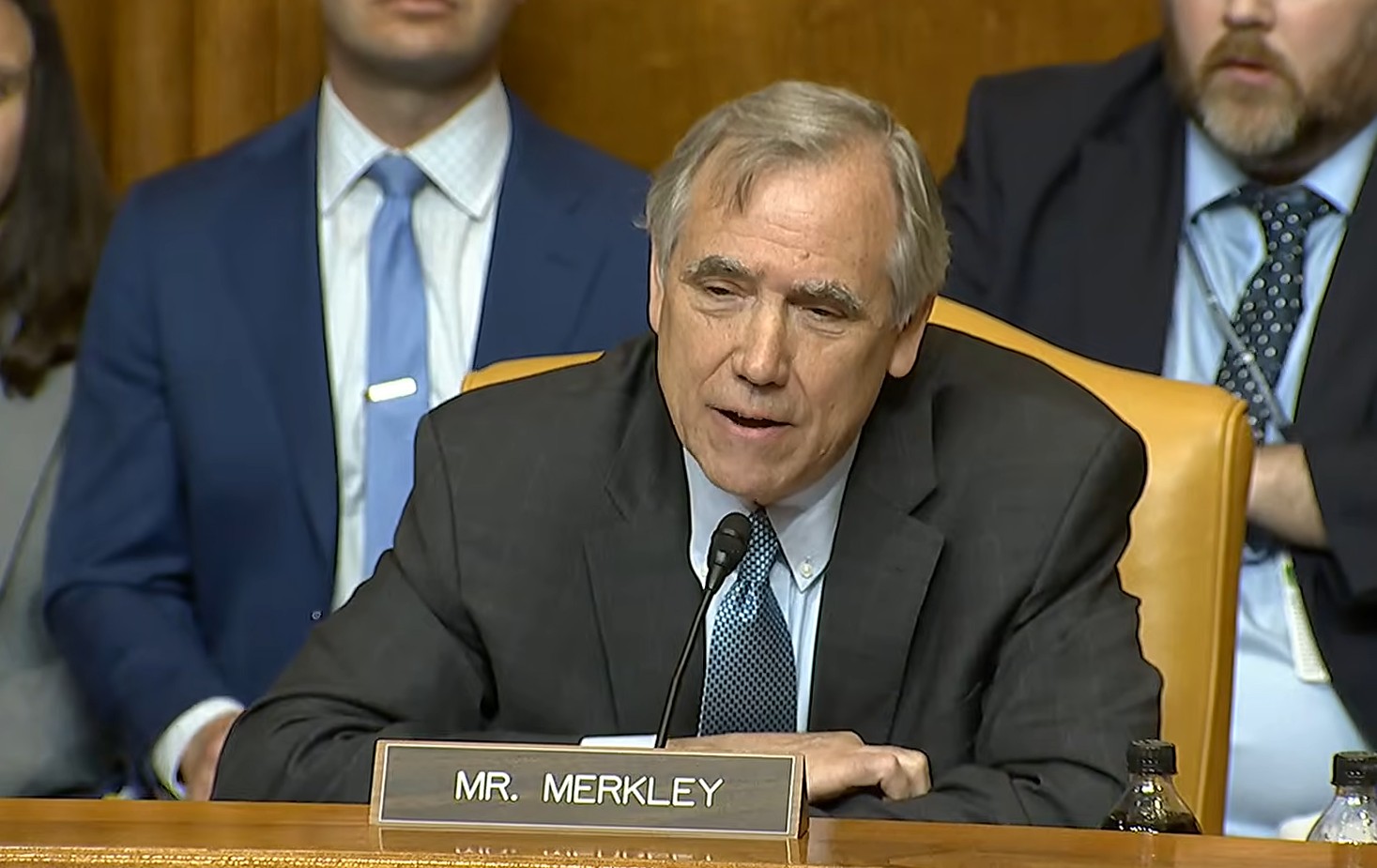
A group of congressional Democrats has introduced a resolution aimed at overturning regulations established during the Trump administration that impose caps on student loans and address rising tuition costs at colleges and universities. The resolution, proposed under the Congressional Review Act (CRA), is led by Senators Jeff Merkley and Angela Alsobrooks, alongside Representatives Suzanne Bonamici, John Mannion, and Lauren Underwood. This legislative effort specifically targets a recent Department of Education rule designed to limit tuition charges and streamline loan repayment processes for students, with the rule scheduled to take effect on July 1.
The background to this legislative move involves a longstanding debate over how best to manage the escalating costs of higher education and the burden of student debt on graduates. Tuition fees have increased dramatically over the past two decades, rising by 343 percent since 2005, prompting federal efforts to contain these costs and protect taxpayers. The Trump-era rule seeks to cap tuition charges and encourage colleges to adjust their pricing and program offerings accordingly, aiming to prevent unchecked tuition hikes and reduce reliance on federal student loans.
Democratic lawmakers leading the repeal effort argue that the loan caps could have unintended consequences, particularly for students pursuing careers in public service fields such as nursing, teaching, and firefighting. They contend that limiting borrowing options may deter graduates from entering these essential professions, which are vital to community welfare. According to these Democrats, the caps could restrict access to necessary funding for students who need to finance their education in these sectors, potentially exacerbating workforce shortages in critical areas.
What's at stake
On the other hand, critics of the repeal, including Education Under Secretary Nicholas Kent, defend the Trump administration’s rule as a necessary measure to rein in excessive tuition increases and protect taxpayers from shouldering the growing costs of higher education. Kent has criticized the Democratic resolution, accusing its proponents of prioritizing political objectives over genuine student support. He also disputes claims that the loan caps will significantly harm public service professions, noting that a large majority of graduate-level teachers are not affected by the caps and that no graduate-level fire service programs fall under the new restrictions.
In response to the impending loan caps, some universities have already begun adjusting their tuition structures and financial aid offerings. For example, the University of California, Irvine, announced a reduction of more than 20 percent in tuition for certain business degree programs. Similarly, the University of Kansas plans to use its endowment to provide low-interest student loans, reducing dependence on federal funding. Santa Clara University Law School has introduced a "pledge scholarship" that offers a $16,000 tuition scholarship to every first-year law student, aiming to maintain affordability despite federal loan limits. These institutional responses suggest a shift in how higher education financing may evolve under the new regulations.
The stakes of this debate are significant for students, educational institutions, and taxpayers alike. Students face the challenge of financing their education without incurring unsustainable debt, while universities must navigate regulatory changes that affect their tuition policies and financial aid strategies. Taxpayers have an interest in ensuring that federal funds are used effectively and that rising tuition costs do not lead to increased federal spending. The dispute also highlights broader questions about access to higher education, workforce development, and the role of government in regulating college affordability.
Looking ahead, the Democratic coalition plans to formally introduce the CRA resolution once the Department of Education's rule is officially submitted to Congress, triggering a 60-day review period during which lawmakers can vote to repeal the regulation. This legislative process will likely intensify debates over student loan policies and college affordability. The outcome could shape future federal approaches to managing student debt and tuition costs, with potential implications for public service career pathways and higher education financing. Observers will be watching closely as Congress weighs the competing priorities of controlling costs and supporting student access to education.
Why it matters
Democrats seek to repeal loan caps they say restrict borrowing for essential public service careers. The resolution targets a Department of Education rule designed to limit tuition charges and streamline repayment. Opponents argue the caps help control tuition inflation and protect taxpayers from rising education costs.
The debate affects students’ ability to finance education and universities’ tuition policies. The legislative outcome could influence future federal student loan and college affordability policies.
Key facts & context
The resolution is introduced under the Congressional Review Act, allowing Congress to overturn recent regulations. The Department of Education rule is scheduled to take effect on July 1 and caps tuition charges. Tuition costs have increased by 343 percent since 2005, prompting regulatory responses.
Senators Jeff Merkley and Angela Alsobrooks, and Representatives Suzanne Bonamici, John Mannion, and Lauren Underwood lead the repeal effort. Education Under Secretary Nicholas Kent opposes the repeal, calling it politically motivated and misleading. Universities like UC Irvine and Santa Clara University have adjusted tuition and financial aid in response to the rule.
The rule aims to reduce federal funding for programs with low returns and encourage institutional changes. Democrats argue loan caps could deter students from entering nursing, teaching, and firefighting careers. Kent states that 94% of graduate-level teachers are unaffected by the caps and no graduate fire service programs are impacted.
The CRA resolution will trigger a 60-day review period in Congress once the rule is formally received.
Timeline & key developments
2026-05-08: Democrats Propose Repeal of Trump-Era Student Loan Protections. Additional reporting on this topic is available in our broader archive and will continue to shape this timeline as new developments emerge.
Primary sources
Further reading & references
- (Additional background links will appear here as we cover this topic.)
Related posts
- Rep. Shri Thanedar Threatens Legal Action Against GOP Officials Amid Immigration Enforcement Disputes
- Trump Administration Takes More Steps To End Department Of Education
- Democrats Criticize Military Strike on Venezuelan Drug Traffickers
- Why Republicans Should Resist The Urge To Bail Out Obamacare
- U.S. Education Department Proposes Rule to Limit Federal Funding for Low-Return College Programs