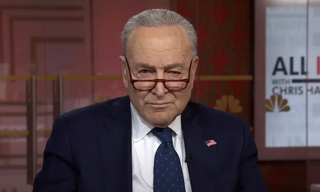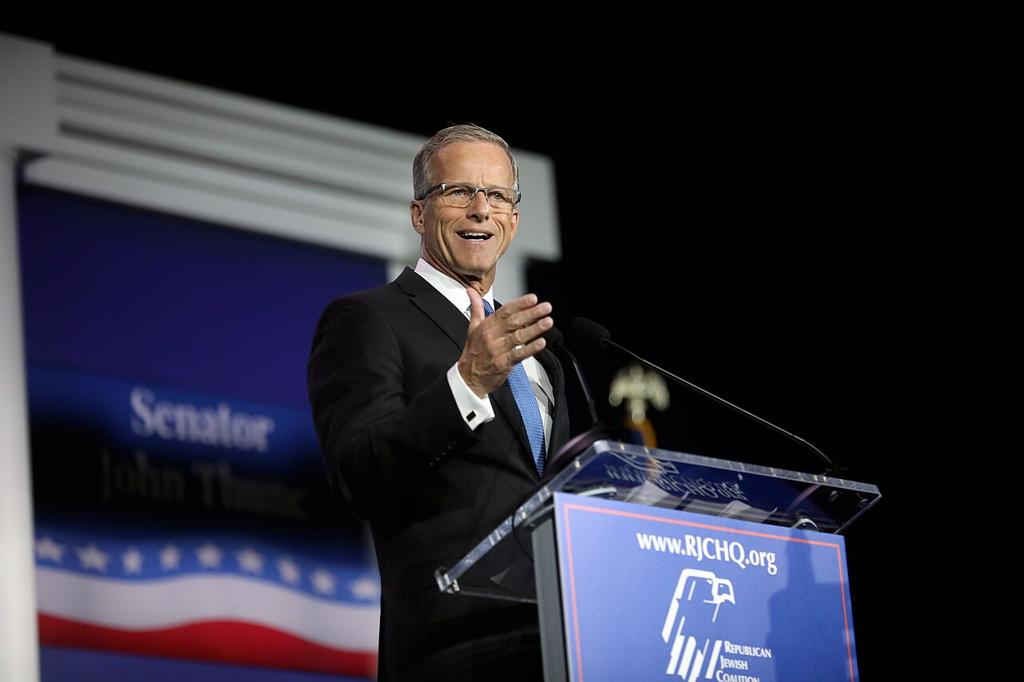
Conservatives have expressed a sense of schadenfreude following the recent agreement by eight Senate Democrats to end the 'Schumer shutdown' and reopen the federal government, which has led to significant discontent among the left. Senate Majority Leader John Thune, R-S.D., has indicated that Democrats will receive a vote on extending enhanced Obamacare subsidies as part of the reopening process. However, Republicans are cautioned against supporting this measure, as it could fracture their political base in a manner similar to the current turmoil within the Democratic Party.
Explainer The Complex Legal Landscape of Abortion: State Laws, Federal Shifts, and Cultural Battles
The anger among leftist factions towards their leadership for agreeing to reopen the government without securing extensions for enhanced subsidies raises questions about accountability. Critics have focused their ire on Senate Minority Leader Chuck Schumer, D-N.Y., questioning his ability to maintain party discipline among the dissenting senators. However, it is argued that Schumer's capacity to control individual lawmakers is limited, much like Mitch McConnell's inability to prevent dissent within his own party during past legislative efforts.
If Democrats are seeking to hold Schumer accountable, they might consider why he allowed the enhanced subsidies to expire this year rather than before the 2024 elections, which could have provided a campaign issue. This oversight reflects a broader issue within the party, as they appear to be grappling with internal divisions and strategic miscalculations.
The potential extension of Obamacare subsidies poses significant risks for Republicans. Financially, it would entail an expenditure of approximately $350 billion at a time when the national debt exceeds $38 trillion, with concerns raised about the potential for fraud in these programs. Moreover, supporting such a measure would effectively place Republicans in a position of ownership over a policy they have opposed for years.
Additionally, the funding associated with the extension could support plans that include abortion and transgender medical interventions, which many constituents find objectionable. This could undermine the pro-life movement and contradict the messaging that resonated during the last election cycle, where contrasting views on social issues were pivotal.
Republicans are urged to focus on developing a positive agenda centered on economic growth and affordability, rather than resorting to financial bailouts for existing programs. Solutions could involve enhancing coverage portability and building on previous administration achievements without compromising core conservative values.
As the vote on enhanced Obamacare subsidies approaches, Republican lawmakers are reminded to consider the recent turmoil among Democrats. By rejecting the bailout, they can maintain their electoral coalition and avoid the pitfalls of supporting policies that contradict their principles. In doing so, they can uphold both their political integrity and the interests of their constituents.