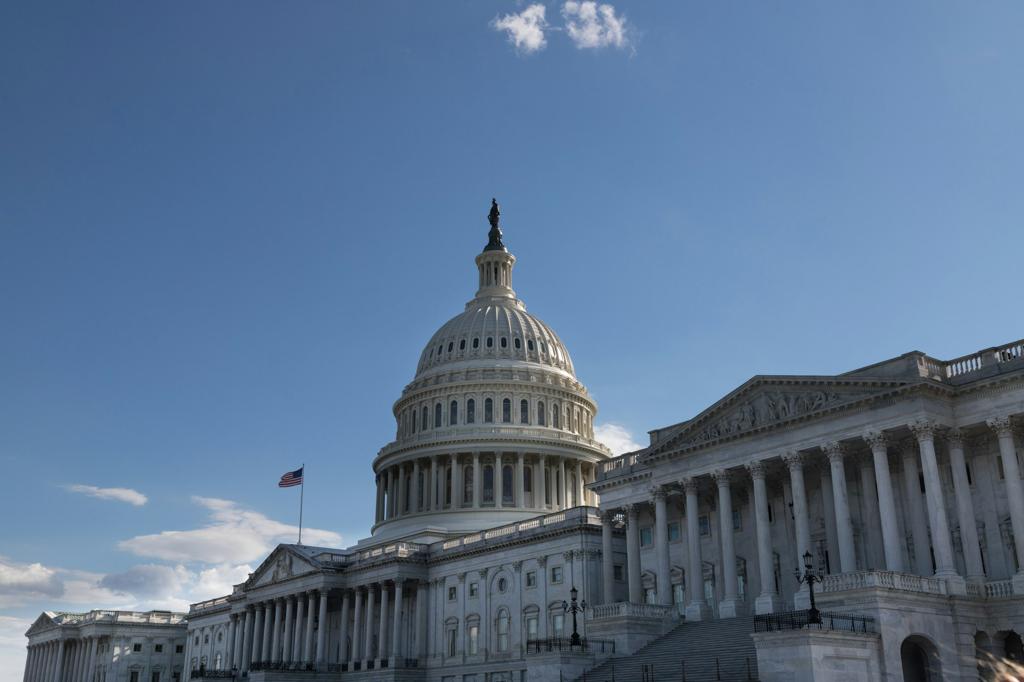
As Congress approaches the expiration of enhanced Obamacare subsidies on December 31, 2025, significant implications for millions of enrollees and taxpayers are at stake. Nearly half of all individuals enrolled in the Exchange currently qualify for zero-dollar premiums due to these enhanced subsidies, a change implemented during the COVID-19 pandemic. This policy has drawn criticism, with many taxpayers viewing it as problematic.
Explainer Election Integrity and Voter Access in California: A Complex Landscape
Chris Jacobs, founder and CEO of Juniper Research Group, highlighted the financial repercussions of the current subsidy structure, stating, "The vast majority of fraudulent enrollees likely came from states that did not expand Medicaid, creating a skewed incentive structure."
The Congressional Budget Office (CBO) reported that approximately 2.3 million enrollees improperly claimed subsidies in 2025, resulting in an estimated $13.9 billion in fraudulent spending. A broader analysis from the Paragon Health Institute suggested that up to 6.4 million enrollees may be fraudulent, costing taxpayers $27.1 billion this year alone.
Despite the potential expiration of enhanced subsidies, the federal government is expected to continue covering 75-80 percent of enrollees’ premiums on average. According to a report from the Kaiser Family Foundation (KFF), without the enhanced subsidies, federal support would decrease from 88 percent to about 78 percent.
Most households may see premium increases of no more than $100 per month if the enhanced subsidies expire. KFF estimates that the average cost increase for enrollees would be around $1,016 annually, or approximately $84.67 monthly. However, households with incomes above four times the poverty level will no longer qualify for subsidies, potentially facing significant premium hikes.
Jacobs noted that red states, which have not expanded Medicaid, could be disproportionately affected by the expiration of enhanced subsidies. He stated, "Federal policies have encouraged fraud in these states, leading to inflated income claims among enrollees."
The implications of extending enhanced subsidies extend beyond financial concerns. Critics argue that taxpayer funding currently supports plans that cover procedures many Americans find morally objectionable, including abortion and transgender procedures. Jacobs pointed out that statutory changes would be necessary to prevent taxpayer dollars from funding such plans, but he indicated that Democrats are unlikely to pursue these changes.
As Congress deliberates on the future of these subsidies, the debate continues over the balance between providing affordable healthcare and ensuring program integrity. The outcome will significantly impact millions of Americans who rely on the Exchange for health insurance coverage.