The Congressional Budget Office (CBO) has released a review of the fiscal year that concluded on September 30, highlighting significant budgetary concerns that may impact ongoing discussions regarding government spending. The report indicates that the budget deficit for the most recent fiscal year exceeded $1.8 trillion, a slight decrease from the previous year but still indicative of a troubling fiscal trajectory.
Republicans are being urged to reject calls from Democrats for a permanent extension of enhanced Obamacare subsidies, which are part of a broader $1.5 trillion spending proposal. Critics argue that extending these subsidies would exacerbate an already precarious financial situation, as interest costs on the national debt surpassed $1 trillion last year for the first time.
Spending Trends
The CBO's findings reveal that while revenues increased due to higher wages and tariffs, spending also rose significantly across various categories. Notable increases included:
- Social Security: up by $121 billion (8 percent)
- Medicare: up by $72 billion (8 percent)
- Medicaid: up by $52 billion (8 percent)
- Interest on the national debt: up by $80 billion (8 percent)
- Veterans Affairs: up by $41 billion (12 percent)
Additionally, refundable tax credits increased by $26 billion (13 percent) primarily due to higher enrollment in health insurance plans established under the Affordable Care Act.
While some areas of spending, such as the Department of Education, saw reductions, these declines are attributed to one-time savings rather than sustainable budgetary reforms. The CBO report suggests that the majority of spending increases are tied to ongoing liabilities, raising concerns about the long-term fiscal outlook.
Political Implications
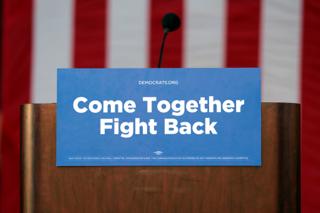
In light of these findings, congressional Democrats have been criticized for their push to shut down the government in order to secure the extension of enhanced Obamacare subsidies. Critics point out that these subsidies are associated with issues of fraud and are seen by many as an unsustainable financial burden.
The potential extension of these subsidies could add an estimated $350 billion to the national debt, raising alarms among fiscal conservatives who advocate for more responsible spending practices. The debate over these subsidies is emblematic of broader concerns regarding government spending and fiscal responsibility in the current political climate.
Chris Jacobs, founder and CEO of Juniper Research Group, emphasizes the need for Congress to reconsider its spending priorities and avoid further financial commitments that the government cannot afford. As discussions continue, the CBO's data serves as a critical reminder of the challenges facing lawmakers in managing the nation's fiscal health.