The U.S. Department of Housing and Urban Development (HUD) has defunded the Los Angeles Homeless Services Authority (LAHSA) following findings of fraud and mismanagement, marking a major shift in federal homelessness policy and funding priorities.
Explainer California Elections: Low Turnout, Vote Counting Controversies, and Political Implications
The move underscores a growing divide between federal and California homelessness strategies, with HUD now emphasizing treatment and accountability over the "housing first" approach that has dominated state policy.
HUD's action comes as homelessness in Los Angeles has doubled since the city adopted the housing first model in 2013, despite a 178% increase in funding. According to HUD’s 2025 Annual Homelessness Assessment Report, 745,652 people were homeless nationwide on a single night in January 2025, a 27% increase since 2013, though the figure fell 3% from 2024. Chronic homelessness jumped 81% over the same period, while taxpayer-funded beds rose 151% and Continuum of Care spending increased 111% HUD 2025 report.
Fraud Findings and Funding Cuts
HUD’s Office of Inspector General identified evidence of fraud and mismanagement at LAHSA, leading to the agency’s defunding and a settlement that resolved related litigation. A HUD spokesperson told The Daily Signal, “Not only will it not receive another cent for its schemes, but it will be returning $150 million, which is a win for taxpayers.”
"Under President Trump, HUD is standing up for every taxpayer’s hard-earned money and cutting off fraud-filled LAHSA, LA’s lead agency for homeless response."
— HUD spokesperson
The defunding follows a broader federal policy shift under President Donald Trump, with HUD prioritizing projects that increase employment income and require participation in treatment and recovery services. The 2026 Continuum of Care Notice of Funding Opportunity (NOFO) reduced guaranteed renewal funding for local agencies and set aside $1.3 billion for new projects focused on transitional housing and supportive services Cicero Institute report.
Policy Shifts and Local Impact
California’s state law requires a housing first approach for all homelessness funding, putting it at odds with new federal priorities. The Cicero Institute projects that California could lose up to $225 million annually in federal funding if local agencies do not adjust to the new requirements. The First Circuit Court of Appeals recently cleared the way for HUD to proceed with these reforms after legal challenges.
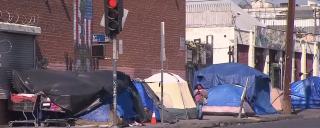
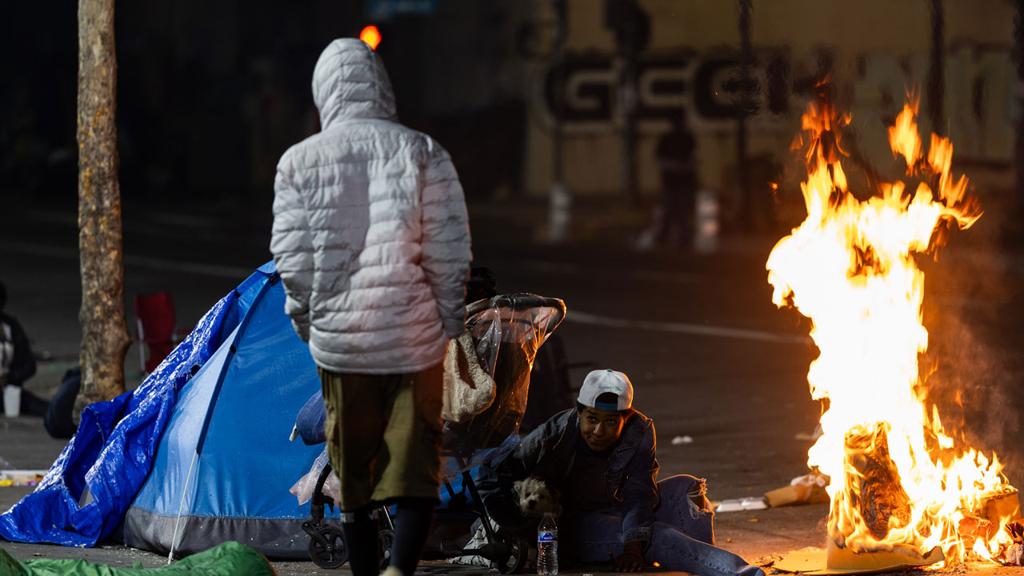
Paul Webster, a former senior policy advisor at HUD and now a senior fellow at the Cicero Institute, described Los Angeles as a "vivid example" of failed homelessness policy, citing widespread encampments, crime, and declining quality of life. Webster said criminal entities exploit the system by renting non-operational RVs to homeless individuals, sometimes in exchange for illegal activity rather than money.
“Rent could be holding drugs. Rent could be distributing drugs. The rent could be engaging in prostitution,” Webster told The Daily Signal. “So there’s all kinds of ways that rent is paid amongst homeless encampments in Los Angeles.”
What the 2026 HUD Announcement Says
According to the November 2026 HUD announcement, the nationwide homeless count dropped to 698,425 individuals on a single night in January, a 6.3% decrease since President Trump took office. HUD attributed the decline to border security measures and a shift away from housing first policies, citing a Supreme Court decision that allowed local governments to limit encampments. The agency stated, “HUD is rejecting the addiction-fueled depravity seen from LA’s Skid Row to New York’s ‘Boulevard of Broken Dreams’ and moving to Treatment First to restore lives of self-sufficiency.”
Neither the California Housing and Homelessness Agency nor LAHSA responded to requests for comment.