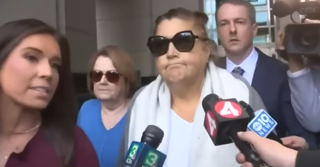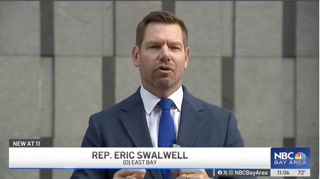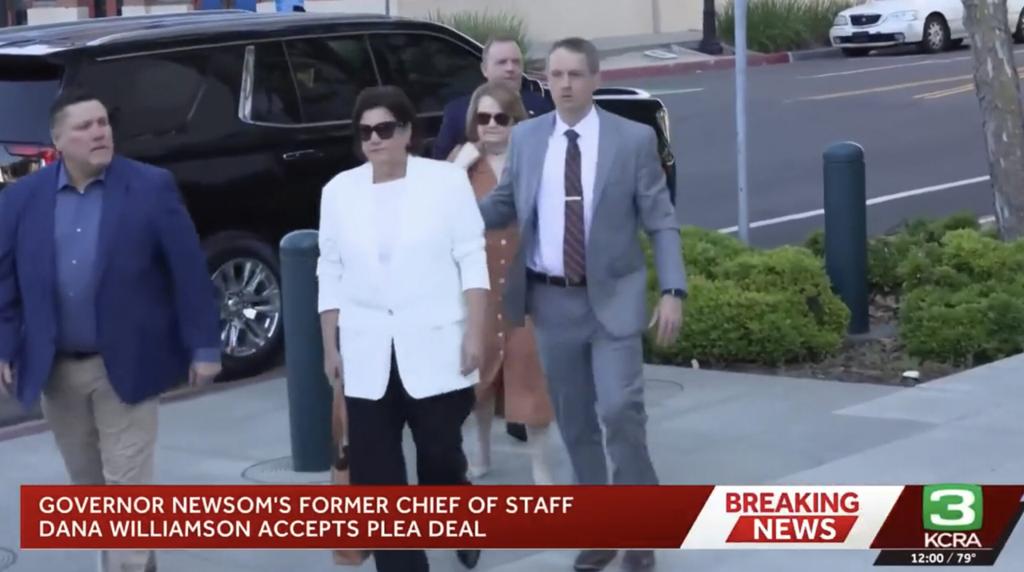
Dana Williamson, the former chief of staff to California Governor Gavin Newsom, pleaded guilty on May 14 to three federal crimes, which include bank fraud and submitting a false tax return. This plea is significant as it comes amid a broader investigation into a scheme that involves multiple political figures in California, raising serious concerns about accountability and ethical conduct in state politics.
Explainer Election Integrity and Voter Access in California: A Complex Landscape
Williamson's guilty plea is part of a larger 23-count indictment that highlights serious allegations of corruption. As a result of her actions, she is required to pay a substantial amount of $725,000 in restitution to Xavier Becerra, who currently serves as the Secretary of Health and Human Services, as well as to the IRS. This case underscores ongoing tensions regarding the integrity of public officials and the management of campaign funds, which are critical issues in maintaining public trust.
Williamson is notably the third individual linked to this scheme to plead guilty. Earlier, former aide Sean McCluskie and lobbyist Greg Campbell had also admitted to their roles in a conspiracy that involved creating fake contracts for consulting work that was never actually performed. This fraudulent activity allowed the conspirators to siphon money from an unused campaign account belonging to Becerra, who is now a prominent candidate for governor. The implications of these actions are significant, especially as they relate to the integrity of political campaigns and the trust of constituents.
Details of the Scheme
According to court documents, Williamson and her co-conspirators discussed the need to fabricate contracts during a recorded conversation that was monitored by the FBI. The plea agreement provides detailed insights into how Williamson misused campaign funds for personal expenses. These expenses included six-figure salaries for family members, luxury vacations, and home improvements, which raises questions about the ethical use of campaign resources.
In a statement included in Williamson's plea agreement, it was noted, "The conspirators explicitly discussed the list of fake and backdated contracts they needed to create." This revelation has drawn significant attention to the lifestyle of political insiders who advocate for social justice while simultaneously engaging in questionable financial practices. Such contradictions highlight the potential hypocrisy within political circles, where the rhetoric of social justice may not align with actual behavior.
Political Repercussions
The fallout from Williamson's guilty plea raises important questions about the ethical standards of public officials in California. Critics argue that such actions severely undermine public trust in government institutions. Chris Bray, a senior correspondent at The Federalist, remarked, "This is how leftist grandees live while they lecture us about social justice," emphasizing the stark contrast between the officials' public rhetoric and their private actions.
Despite the serious nature of the charges against Williamson, officials from Newsom's office have not publicly commented on her plea or its implications for the administration. Supporters of the governor contend that the actions of a former staff member do not reflect the values of his administration, suggesting a separation between individual misconduct and the overall governance of the state.
Broader Context
The case is part of a larger pattern of political corruption investigations in California, which have seen several high-profile figures facing scrutiny for their actions. As the state grapples with ongoing issues of transparency and accountability, Williamson's plea serves as a stark reminder of the potential for misconduct within political circles. The implications of this case extend beyond Williamson herself, as it may affect the reputations and campaigns of those involved, including Becerra's gubernatorial aspirations.
As the investigation continues, the implications for those involved, including Becerra's gubernatorial campaign, remain to be seen. Sentencing for Williamson has not yet been scheduled, leaving open the possibility of further developments in this ongoing saga. The outcome of this case may have lasting effects on public perception of political integrity in California and could influence future political dynamics in the state.