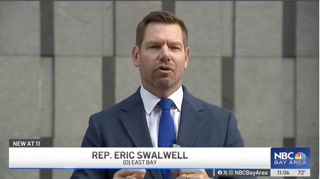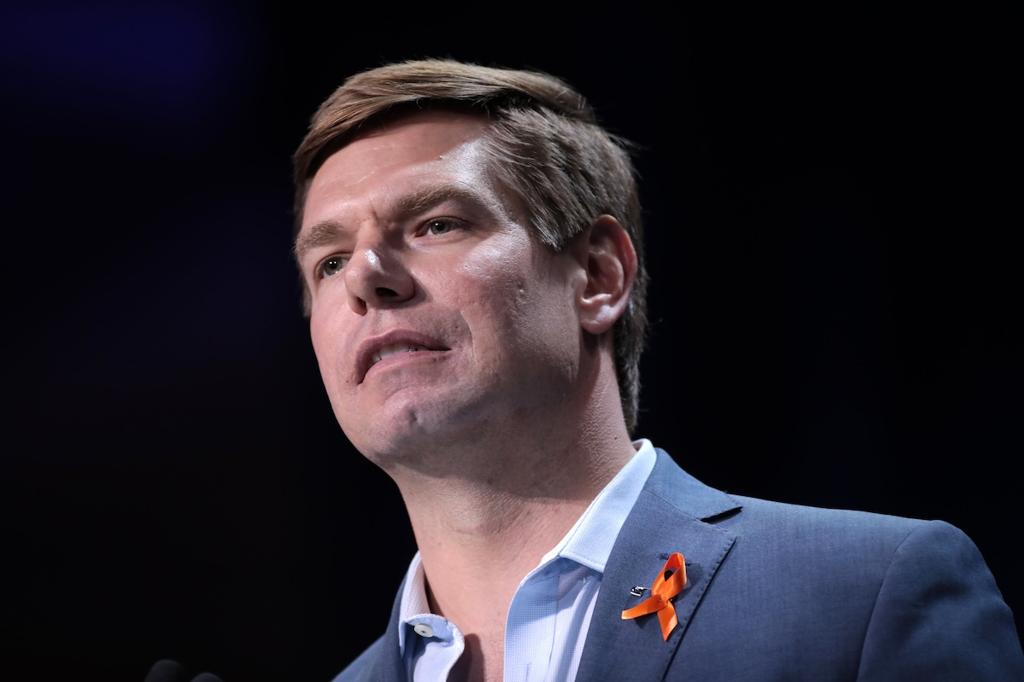
California Congressman Eric Swalwell has suspended his gubernatorial campaign amid serious allegations of sexual misconduct, including accusations of rape. These allegations, which have emerged in recent days, have not only prompted calls for his resignation from Congress but have also initiated a criminal investigation in New York. The situation has created a significant stir within political circles, raising questions about accountability and ethical standards in the Democratic Party.
Explainer Election Integrity and Voter Access in California: A Complex Landscape
The core tension in this situation revolves around the implications of the allegations for Swalwell's political future and the broader narrative of accountability within the Democratic Party. As Swalwell steps back from his campaign, questions arise about whether the party is acting out of genuine concern for ethical standards or political expediency. This duality is critical, as it reflects the ongoing struggle within the party to balance individual accountability with collective political strategy.
Swalwell, who had been a prominent figure in the race for California governor, has denied any criminal wrongdoing. However, he has acknowledged having made "mistakes in judgment" in his past. He stated, "I will not allow these accusations to distract from the important issues facing our state." Despite his denial, the allegations have led to significant pressure from party leaders, including House Speaker Nancy Pelosi, to withdraw from the race, indicating the gravity of the situation and the potential ramifications for the party's image.
Allegations and Responses
The allegations against Swalwell include claims from several women, most of whom remain anonymous. One accuser reportedly stated that she engaged in sexual activity with Swalwell while intoxicated, later asserting that the encounter was non-consensual due to her level of intoxication. Another accuser described a dinner with Swalwell that led to a similar situation, claiming she felt compelled to cut off contact after their encounter but continued to communicate with him afterward. These accounts highlight the complexities surrounding consent and the influence of alcohol in such situations.
Critics of Swalwell's actions have pointed to the role of alcohol in these encounters, questioning the responsibility of individuals in such situations. Some argue that the circumstances surrounding the allegations complicate the narrative of accountability. As one commentator noted, "At what point do a woman’s actions with alcohol, married men, and sex suddenly become someone else’s responsibility?" This perspective raises important questions about societal expectations and the nuances of consent, particularly in cases involving intoxication.
Political Implications
The timing of these allegations has raised suspicions among some observers, who suggest that they may be politically motivated. Swalwell's critics argue that the Democratic establishment may be using the allegations as a means to consolidate support behind a single candidate in the gubernatorial race, thereby reducing the chances of a viable Republican opponent in the general election. This theory suggests a strategic maneuvering within the party, reflecting the high stakes involved in California's political landscape.
Supporters of Swalwell have not publicly responded to the allegations or the surrounding criticism, leaving questions about the party's commitment to its stated principles of accountability. The silence from his allies may indicate a reluctance to engage with the allegations directly, which could further complicate Swalwell's position within the party. Some analysts suggest that the Democratic Party's handling of this situation reflects broader challenges in maintaining a consistent standard for ethical behavior among its members, particularly in light of past controversies.
Future of Swalwell's Career
As Swalwell navigates these allegations, his political future remains uncertain. The congressman, who has been vocal about issues of sexual misconduct in the past, now faces the consequences of similar accusations against him. The fallout from this situation may not only impact Swalwell's career but could also influence the Democratic Party's approach to handling allegations of misconduct among its members. The party's response will likely be scrutinized closely, as it could set a precedent for how similar cases are managed in the future.
In conclusion, while Swalwell has denied any wrongdoing, the allegations have led to significant political repercussions, raising questions about accountability and the motivations behind the timing of these claims. As the investigation unfolds, the implications for Swalwell and the Democratic Party will continue to be closely scrutinized. The outcome of this situation may have lasting effects not only on Swalwell's career but also on the party's integrity and public image.