Former Vice President Kamala Harris has called for expanding the Supreme Court and pursuing changes to the Electoral College if Democrats regain control of Congress, according to remarks made during a recent podcast interview. Her comments have brought renewed attention to ongoing debates about the structure of American government and the balance of power in Washington, as both parties prepare for the upcoming congressional elections.
Explainer Understanding the Supreme Court’s Impact on Law and Liberty
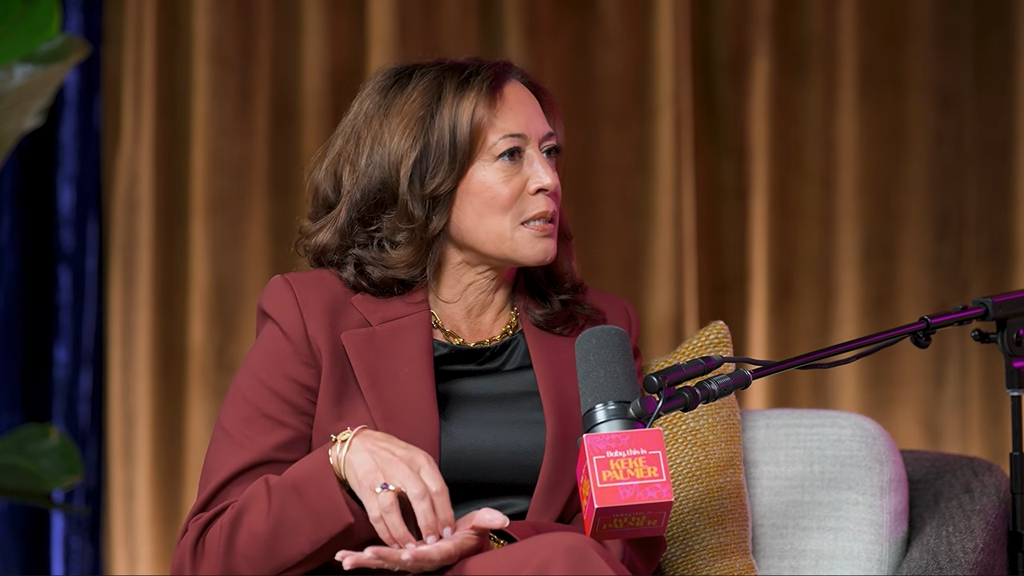
Harris made her statements during an appearance on the "Baby, This is Keke Palmer" podcast earlier this week. She outlined several priorities for Democrats should they win back the House and Senate, emphasizing the need for institutional reforms. "I believe that we need to expand the Supreme Court. We need more justices on the Supreme Court so that we can have a court that actually reinforces the spirit and principles behind the Constitution of the United States," Harris said.
Harris’s Policy Proposals
During the interview, Harris also called for "changing the Electoral College" and advocated for granting statehood to Puerto Rico and Washington, D.C. She told host Keke Palmer, "It’s about, the popular vote has to matter, right? You know, all the things that make people feel, like, overwhelmed, and does their vote matter? We have, you know, listen, if the folks there want it, we should be pushing for statehood for Puerto Rico and D.C., right? These are some of the things that are structural that we need to do, but we need to reestablish affordable child care."
Harris’s remarks reflect a broader set of priorities among some Democrats, who have argued that the current structure of the Supreme Court and the Electoral College does not always reflect the will of the majority. The push for statehood for Puerto Rico and Washington, D.C., has also been a recurring topic in Democratic policy discussions, with proponents arguing that residents of these territories deserve full representation in Congress.
Her comments come at a time when some Democrats have publicly supported expanding the Supreme Court, while others have avoided taking a clear position. According to reporting by The Federalist, party leaders such as House Minority Leader Hakeem Jeffries and Georgia Sen. Jon Ossoff have not directly addressed the issue, instead focusing on other topics or on concerns about judicial ethics. This division within the party highlights the complexity of pursuing major institutional reforms, even among Democrats.
Reactions and Criticism
Conservative commentators have argued that the current Supreme Court, which has a conservative majority, has generally adhered to the Constitution’s original meaning, particularly following the appointments of Justices Brett Kavanaugh and Amy Coney Barrett. Critics of court expansion contend that Democrats are seeking to shift the court’s ideological balance for political advantage, rather than for principled reasons.
Supporters of Harris’s proposals, on the other hand, argue that institutional reforms are necessary to ensure the Supreme Court reflects the will of the people and to address concerns about the legitimacy of recent court decisions. They point to controversial rulings and the process by which recent justices have been confirmed as evidence that the current system may not be serving the broader public interest.
Harris did not directly address criticism that expanding the court would undermine its independence. Instead, she focused on the need for the court to "reinforce the spirit and principles behind the Constitution," suggesting that an expanded bench could help restore public trust in the judiciary.
"We need more justices on the Supreme Court so that we can have a court that actually reinforces the spirit and principles behind the Constitution of the United States."
— Kamala Harris, former Vice President
The Broader Debate Over the Court
The issue of Supreme Court expansion has become a flashpoint in national politics. Both parties view control of the Senate as crucial for shaping the judiciary, since the Senate is responsible for confirming Supreme Court nominees. Political analysts note that whichever party holds the Senate will have significant influence over future Supreme Court nominations, making the outcome of the upcoming elections especially important for the future direction of the court.
Harris’s comments suggest that Democrats may prioritize court expansion and other institutional changes if they secure majorities in both chambers. The debate over the size and structure of the Supreme Court has intensified in recent years, particularly following a series of high-profile decisions and the confirmation of justices under the previous administration.
In addition to her remarks on the Supreme Court, Harris also stated she remains undecided about a future presidential run, according to reporting by the New York Post. The Democratic Party has not issued an official response to criticism of Harris’s court expansion proposal. The lack of a unified party position on the issue reflects ongoing debate within Democratic ranks about the best path forward for institutional reform.
As the congressional elections approach, the future of the Supreme Court and the broader structure of American democracy are likely to remain central issues in national political discourse. Harris’s comments have added to the conversation, highlighting the stakes involved in the upcoming contests and the potential for significant changes if Democrats regain control of Congress.