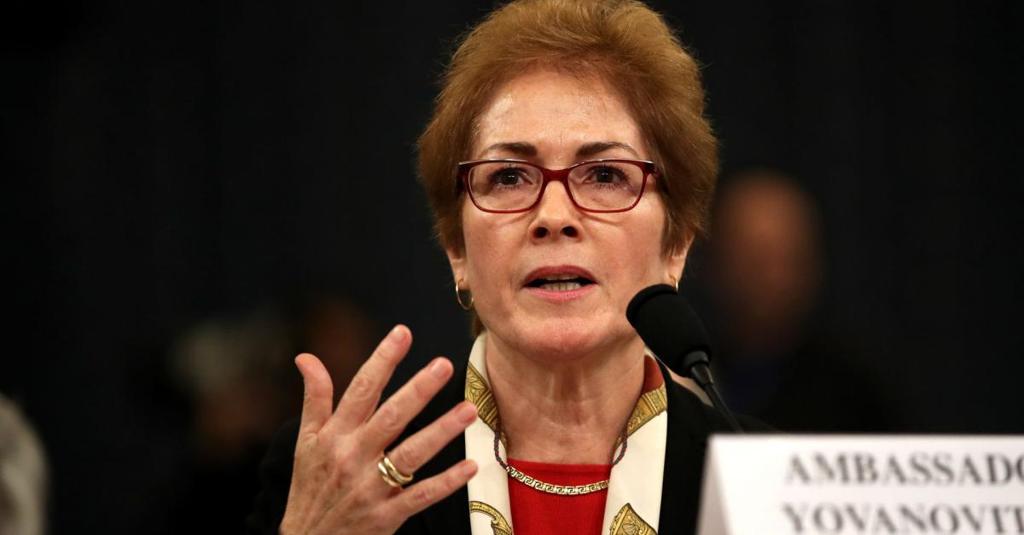
Newly released documents from the White House Government Transparency Task Force reveal that former U.S. Ambassador to Ukraine Marie Yovanovitch and her staff received repeated briefings, emails, and memos about Burisma Holdings, the Ukrainian energy company that employed Hunter Biden. These records directly contradict Yovanovitch’s 2019 impeachment testimony, in which she told Congress she was not briefed on the Biden-Burisma matter beyond initial confirmation materials and media reports.
The documents challenge central claims made during the first impeachment proceedings against Donald Trump, highlighting disputes over what U.S. diplomats knew about Burisma and whether Hunter Biden’s board position influenced American policy in Ukraine.
The controversy over Burisma and Hunter Biden’s role has been a focal point in debates about U.S. policy toward Ukraine, with critics alleging conflicts of interest and supporters insisting no policy was affected. The new disclosures add to ongoing scrutiny of the Biden family’s business ties and the conduct of U.S. officials during the impeachment process.
Memos Reveal Extensive Briefings
According to the declassified records, Yovanovitch and her top aides engaged in dozens of communications from 2016 to 2019 regarding Burisma, Hunter Biden, Burisma founder Mykola Zlochevsky, and efforts by legal teams and lobbyists to influence U.S. officials. The memos show that State Department officials, including Deputy Chief of Mission George Kent, repeatedly flagged corruption concerns about Burisma and its attempts to improve its image.
One newly declassified email from November 22, 2016, shows Kent warning Yovanovitch that Hunter Biden’s presence on Burisma’s board undermined the U.S. anti-corruption message in Ukraine. Kent wrote, “The real issue to my mind was that someone in Washington needed to engage VP Biden quietly and say that his son Hunter's presence on the Burisma board undercut the anti-corruption message the VP and we were advancing in Ukraine.”
"The real issue to my mind was that someone in Washington needed to engage VP Biden quietly and say that his son Hunter's presence on the Burisma board undercut the anti-corruption message the VP and we were advancing in Ukraine b/c Ukrainians heard one message from us and then saw another set of behavior with the family association with a known corrupt figure whose company was known for not playing by the rules."
— George Kent, Deputy Chief of Mission in Kyiv
Photographs and emails indicate Yovanovitch met with Burisma executive Vadim Pozharskyi on at least two occasions and received frequent updates about Burisma’s public relations efforts, including those led by Blue Star Strategies, a firm with Democratic ties hired to rehabilitate Burisma’s reputation.
Contradictions With Impeachment Testimony
During her October 2019 testimony, Yovanovitch told congressional investigators she did not recall being briefed by embassy staff on issues relating to Burisma after her arrival in Ukraine. She described the matter as “not a big deal” and said she had no recollection of further briefings beyond her Senate confirmation preparation.
However, the newly released documents show that Yovanovitch and her staff were repeatedly informed about Burisma’s efforts to resolve corruption investigations and improve its standing with U.S. officials. In September 2016, Kent specifically warned Yovanovitch that Burisma had hired Blue Star Strategies and placed Hunter Biden on its board. Additional memos detail U.S. government involvement in joint efforts to seize Zlochevsky’s assets and ongoing embassy discussions about Burisma’s legal and public relations strategies.
Yovanovitch’s communications also show she was involved in drafting responses to proposals from Burisma, including a 2017 offer to fund a McCain Institute program for Ukrainian prosecutors. Kent advised that such an arrangement “would not pass the Washington Post sniff test,” reflecting concerns about the optics of accepting funding from a company under investigation for corruption.
Impact on U.S. Policy and Ongoing Debate
The documents further reveal that internal State Department communications acknowledged Hunter Biden’s work for Burisma was affecting U.S. policy messaging in Ukraine. Kent informed Yovanovitch in February 2018 that Ukraine’s chief prosecutor had cleared Burisma and Zlochevsky had returned to public life, while continuing to raise the issue in private correspondence.
Despite these internal concerns, both Yovanovitch and Kent testified during the impeachment inquiry that Hunter Biden’s role did not influence U.S. policy. Kent told lawmakers, “In my view, no,” when asked if a conflict of interest had affected Obama administration decisions regarding Ukraine and Burisma. He also stated, “I did not witness any effort by any U.S. official to shield Burisma from scrutiny.”
Supporters of Yovanovitch and Kent have not publicly addressed the discrepancies highlighted by the newly declassified documents. The White House task force’s release of these records is likely to renew debate over the accuracy of key impeachment testimony and the extent of official awareness of the Biden-Burisma relationship.
The documents include evidence that Blue Star Strategies and Burisma board members, including former CIA official Cofer Black, sought meetings with Yovanovitch and embassy staff to discuss ongoing legal and visa issues. Internal memos also describe U.S. and British efforts to seize millions in assets linked to Zlochevsky, and allegations of a $7 million bribe paid to Ukrainian prosecutors before the corruption probe was dropped.
The release of these records comes as scrutiny of the Biden family’s business dealings and the conduct of U.S. diplomats in Ukraine continues to shape political debate.