The FBI conducted a secret operation, dubbed "Round River," aimed at neutralizing negative information regarding the Biden family, according to newly surfaced documents. This operation allegedly buried derogatory allegations in restricted files, preventing them from being accessed by other FBI officials, including the U.S. attorney in Pittsburgh tasked with investigating the Biden family's ties to Ukraine.
The core issue revolves around the implications of this operation for the integrity of federal investigations and the potential suppression of free speech. Critics argue that the FBI's actions may have obstructed legitimate inquiries into the Biden family's dealings, while supporters of the agency contend that the operation was necessary to manage disinformation.
In January 2020, then-Attorney General William Barr appointed Scott Brady, the U.S. attorney for the Western District of Pennsylvania, to vet evidence related to Ukrainian corruption involving the Biden family. Brady testified that his investigation included information from Rudy Giuliani and other sources. However, he was unaware of the Round River operation, which was reportedly designed to discredit allegations against the Bidens as disinformation.
Key Details
Documents indicate that the Round River investigation, which originated in the Pittsburgh office, was not disclosed to Brady or his team. The operation was classified as "prohibited access," rendering its files invisible to agents searching the FBI's databases. Brady stated, "I had no idea that at the same time I was vetting information, the Pittsburgh field office was running the Round River investigation."
Background and Reactions
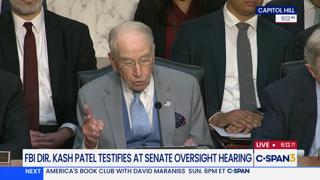
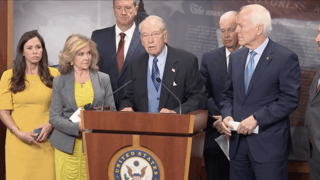
Senator Chuck Grassley, R-Iowa, has raised concerns about the FBI's handling of information related to the Biden family. He noted that in August 2020, an FBI analyst opened an assessment that was used to discredit negative information about Hunter Biden. Grassley stated, "It was alleged that the FBI HQ team improperly discredited negative Hunter Biden information as disinformation and caused investigative activity to cease."
The Round River operation reportedly extended beyond protecting the Biden family from scrutiny. Sources suggest it also targeted public figures who raised concerns about the family's dealings, labeling them as national security threats. This included journalists and lawmakers who questioned the Biden family's actions in Ukraine.
If these allegations are substantiated, the implications could be significant, as they suggest the FBI may have used its resources to suppress speech and investigation into matters of public interest. Critics argue that this raises serious questions about the agency's commitment to transparency and accountability.
The FBI's actions during this period have drawn scrutiny, particularly regarding its collaboration with social media platforms to manage narratives about the Biden family. Reports indicate that members of the Foreign Influence Task Force communicated with Twitter about alleged foreign disinformation, which may have led to the censorship of discussions surrounding Biden family corruption.
The controversy surrounding the Round River operation has shifted the focus from the Biden family to the conduct of FBI agents and Department of Justice employees. The extent of the alleged conspiracy and the individuals involved remain unclear, with many details still classified or hidden due to the prohibited access designation.
In recent months, there have been developments suggesting that the investigation into these matters may be nearing a conclusion. FBI Director Kash Patel and Attorney General Pam Bondi have reportedly provided Grassley with declassified files he has sought for nearly a decade. This could potentially shed light on the allegations surrounding the Round River operation and its impact on the investigation into the Biden family.
As the situation unfolds, it remains to be seen how these revelations will affect public perception of the FBI and its role in political investigations. While some lawmakers and critics call for accountability, supporters of the agency argue that it must navigate complex issues of disinformation and national security. The balance between protecting free speech and ensuring the integrity of investigations continues to be a contentious topic in the current political climate.