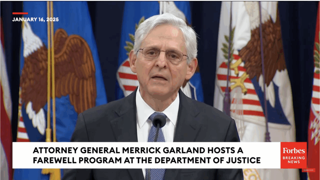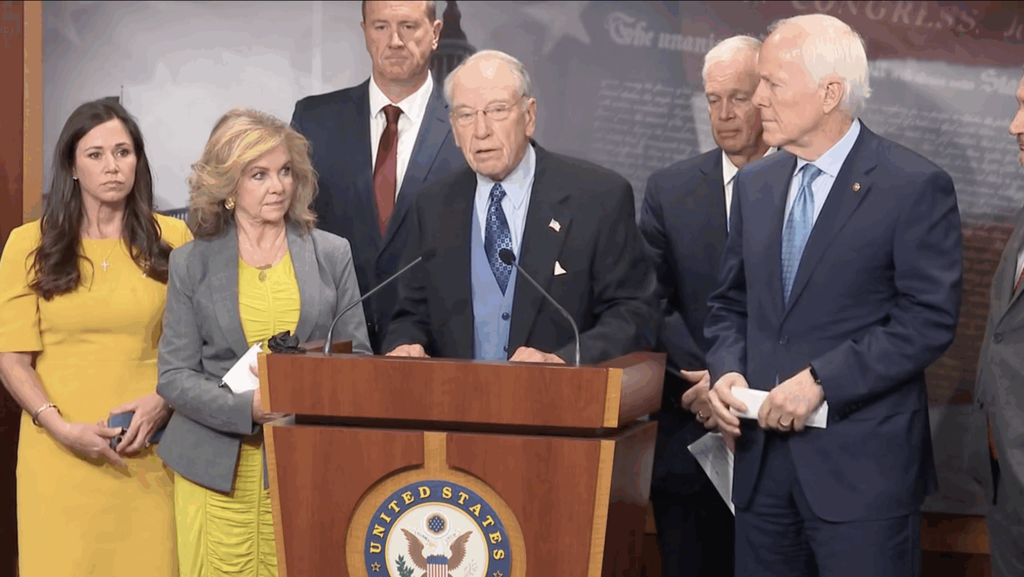
Senator Chuck Grassley disclosed on Wednesday that the Biden administration's Department of Justice (DOJ) and Federal Bureau of Investigation (FBI) allegedly compiled an "enemies list" targeting Republican officials, including through wiretapping. This information emerged from over 1,700 pages of documents provided by whistleblowers related to the "Arctic Frost" investigation, which Grassley claims aimed to target Republicans in key battleground states.
The investigation reportedly involved claims from former FBI Director Christopher Wray, who asserted that fraudulent certificates of electors' votes were submitted for states such as Arizona, Georgia, Michigan, Nevada, and Wisconsin. Wray's memorandum suggested a conspiracy to obstruct the certification of the 2020 election, which has been cited as a basis for legal actions against former President Donald Trump.
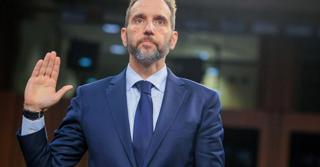
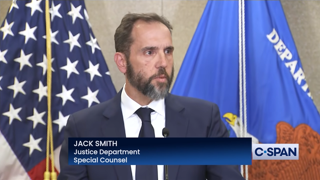
Grassley made public the 197 subpoenas sought by Special Counsel Jack Smith, who has been involved in legal actions against Trump. According to Grassley, Smith obtained phone record data from at least eight senators and one congressman, including a landline for Senator Ted Cruz's office. Grassley noted that Verizon informed him that at least 11 members with Verizon accounts were affected by the subpoenas.
Cruz stated that AT&T's legal counsel advised the company against complying with a subpoena for his cellphone records, citing potential violations of the Constitution's speech and debate clause. Cruz described the situation as an abuse of power, asserting that there was no evidence to justify the court's order prohibiting AT&T from informing him about the subpoena for a year.
Senator Marsha Blackburn confirmed that her records were successfully subpoenaed from Verizon, while Cruz expressed concerns about the lack of transparency regarding the subpoenas issued for other senators.
Additionally, Senator Ron Johnson raised concerns about potential internal sabotage against FBI Director Kash Patel and Attorney General Pam Bondi. Johnson emphasized the need for more whistleblowers within these agencies to restore their integrity and credibility.
The documents also revealed that the Biden administration's FBI sought to obtain bank records, donor lists, and emails from various conservative organizations and leaders, including Trump's campaign and the Republican National Committee (RNC). Cruz claimed that 20% of the Republican senators were targeted in what he described as a fishing expedition, arguing that these actions violated constitutional rights and the principle of separation of powers.
The revelations from the Arctic Frost inquiry have sparked significant debate regarding the legality and ethics of the actions taken by the DOJ and FBI under the Biden administration. Critics argue that these actions represent a troubling precedent in the treatment of political opponents, while supporters maintain that investigations into election integrity are necessary to uphold democratic processes.